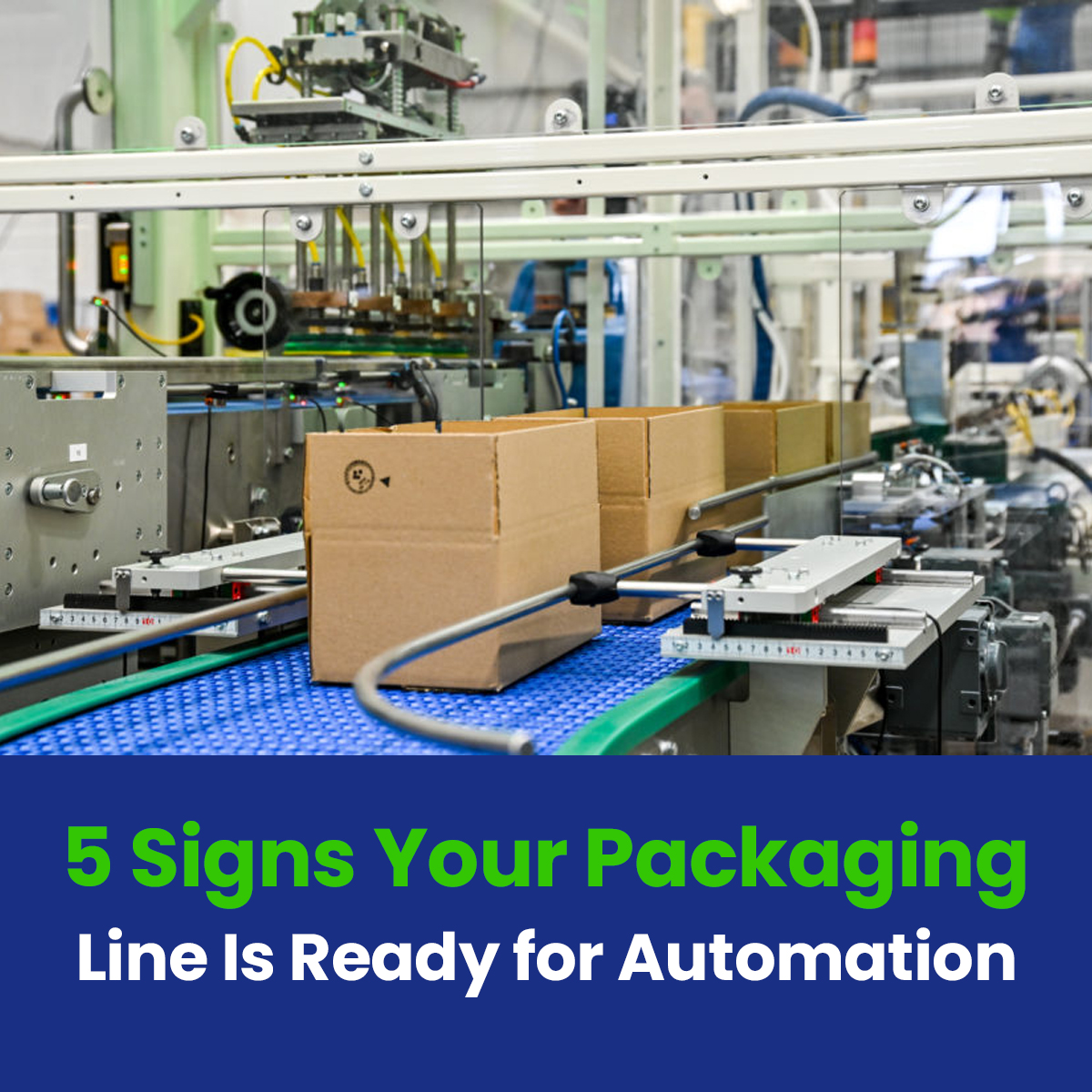











Many manufacturers stick with manual packaging simply because it's what they've always done, even as the cracks start to show. The truth is, most businesses don't decide to automate overnight. Instead, a few warning signs build up over time until the case for automation becomes impossible to ignore.
Here are five signs that indicate your packaging line may be ready for the switch.
Increasing Production Volumes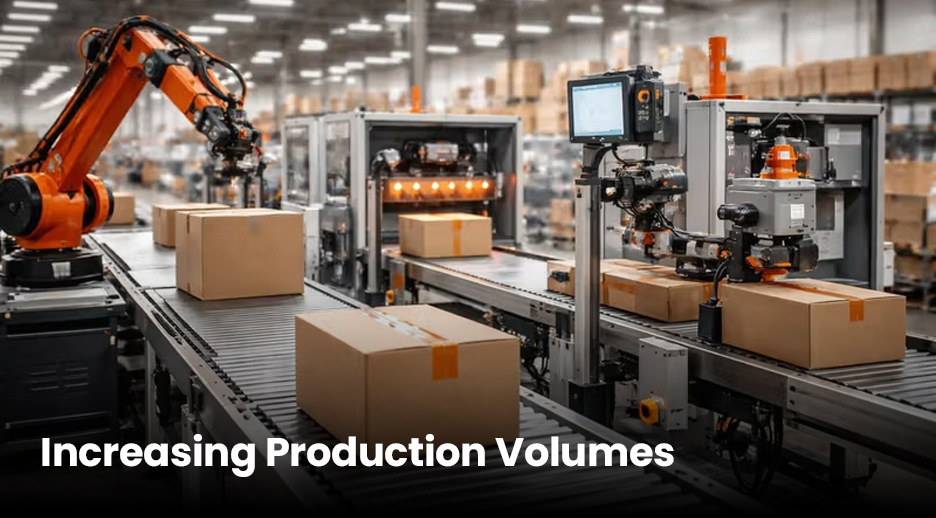
As orders grow, manual packaging struggles to keep pace. What worked fine at lower volumes starts to feel stretched thin when output needs to double or triple. If your team is constantly racing to keep up with demand, or turning away orders because packaging can't scale fast enough, that's a clear signal manual processes have hit their ceiling.
Rising Labour Costs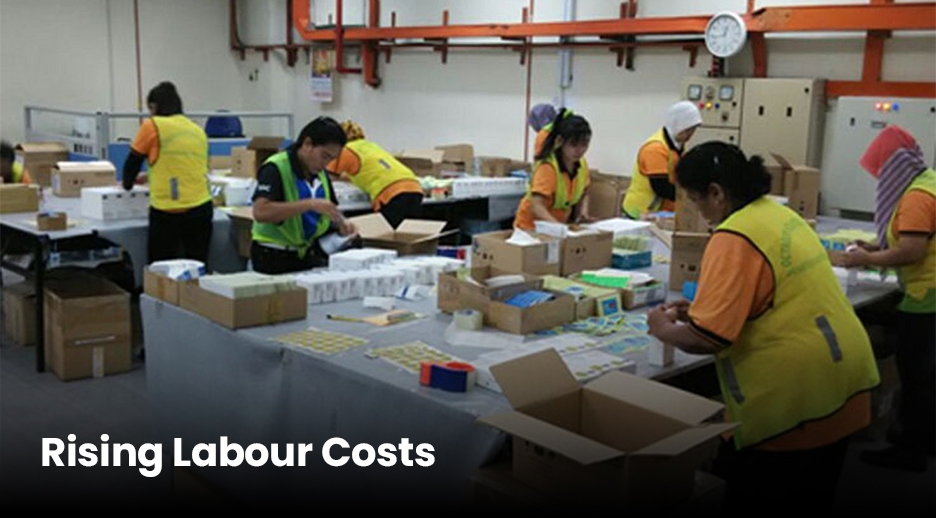
If you're spending more each quarter on hiring, training, and retaining packaging staff, just to maintain the same output, labour costs are quietly eating into your margins. Overtime pay, seasonal hiring, and high attrition in packaging roles are common signs that manual labour is becoming an expensive way to keep the line running.
Frequent Packaging Errors
Loose straps, uneven wrapping, misaligned cartons- these errors tend to increase as production speed and volume go up. If quality checks are catching a growing number of packaging defects, or if returns due to damaged goods are becoming more frequent, it's a strong indication that manual consistency is breaking down.
Production Bottlenecks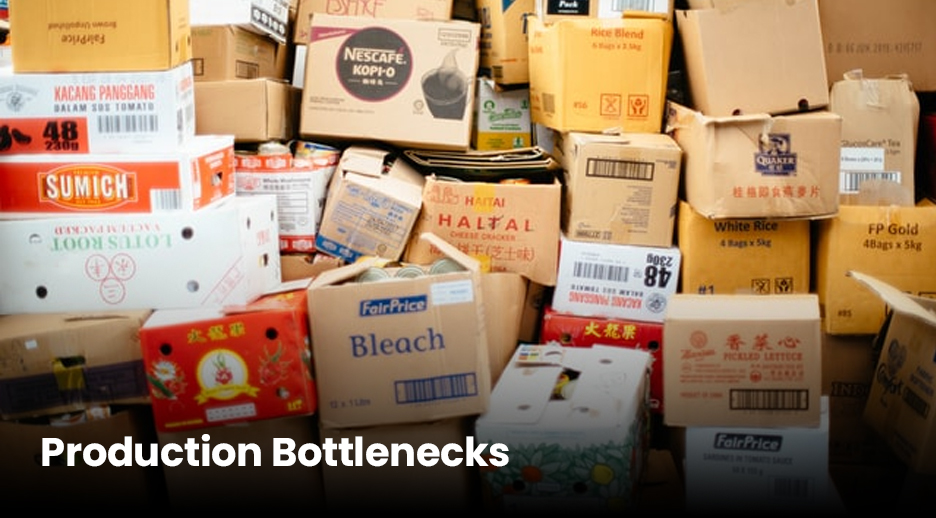
When packaging can't keep up with the rest of the production line, it creates a bottleneck that slows everything down, no matter how efficient your manufacturing process is. If products are piling up waiting to be packed, or your packaging step is consistently the reason shipments get delayed, the bottleneck usually points to a manual process reaching its limits.
Customer Complaints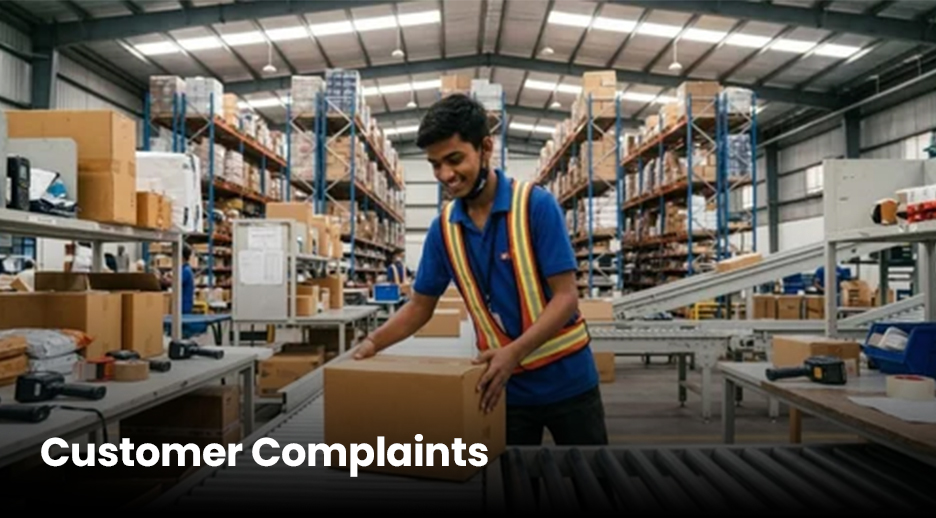
Customers notice when packaging quality slips, whether it's a torn carton, a loose strap, or a poorly wrapped pallet that arrives damaged. A rise in complaints about product condition on arrival, or repeated requests for replacements due to packaging failure, often traces back to inconsistencies that manual handling simply can't eliminate.
When Businesses Should Consider Automation
If two or more of these signs sound familiar, it's worth taking a serious look at automation rather than waiting for the problem to grow further. Businesses don't need to wait until manual packaging becomes unmanageable; the earlier automation is introduced, the sooner labour costs stabilise, errors drop, and production keeps pace with demand.
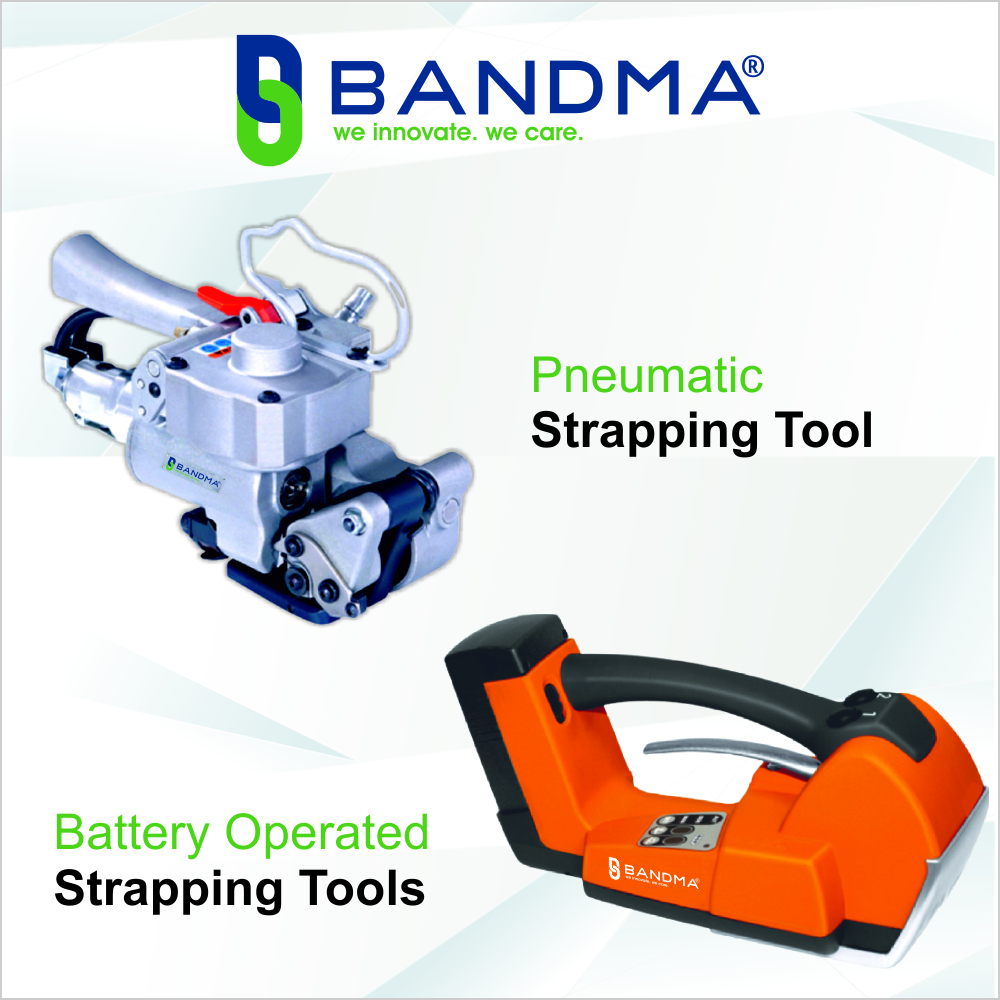
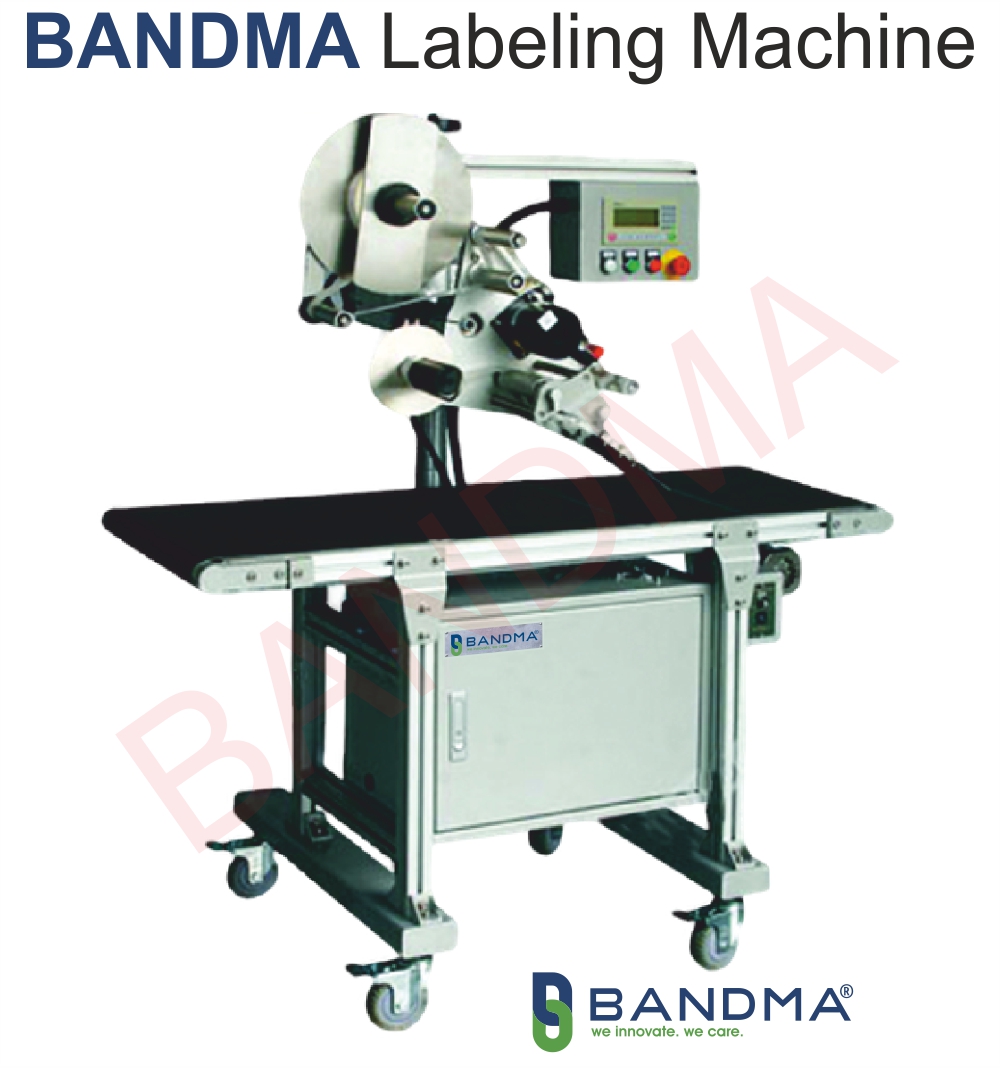
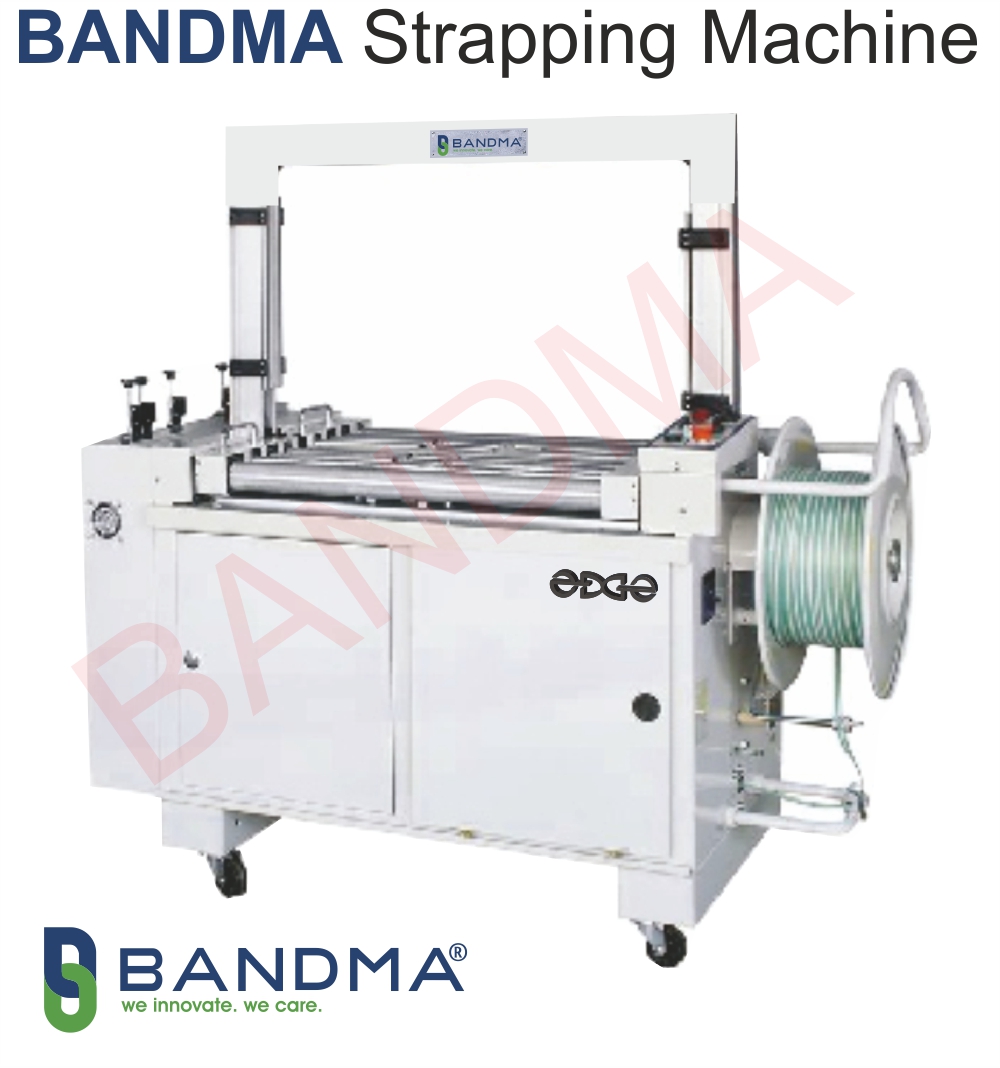
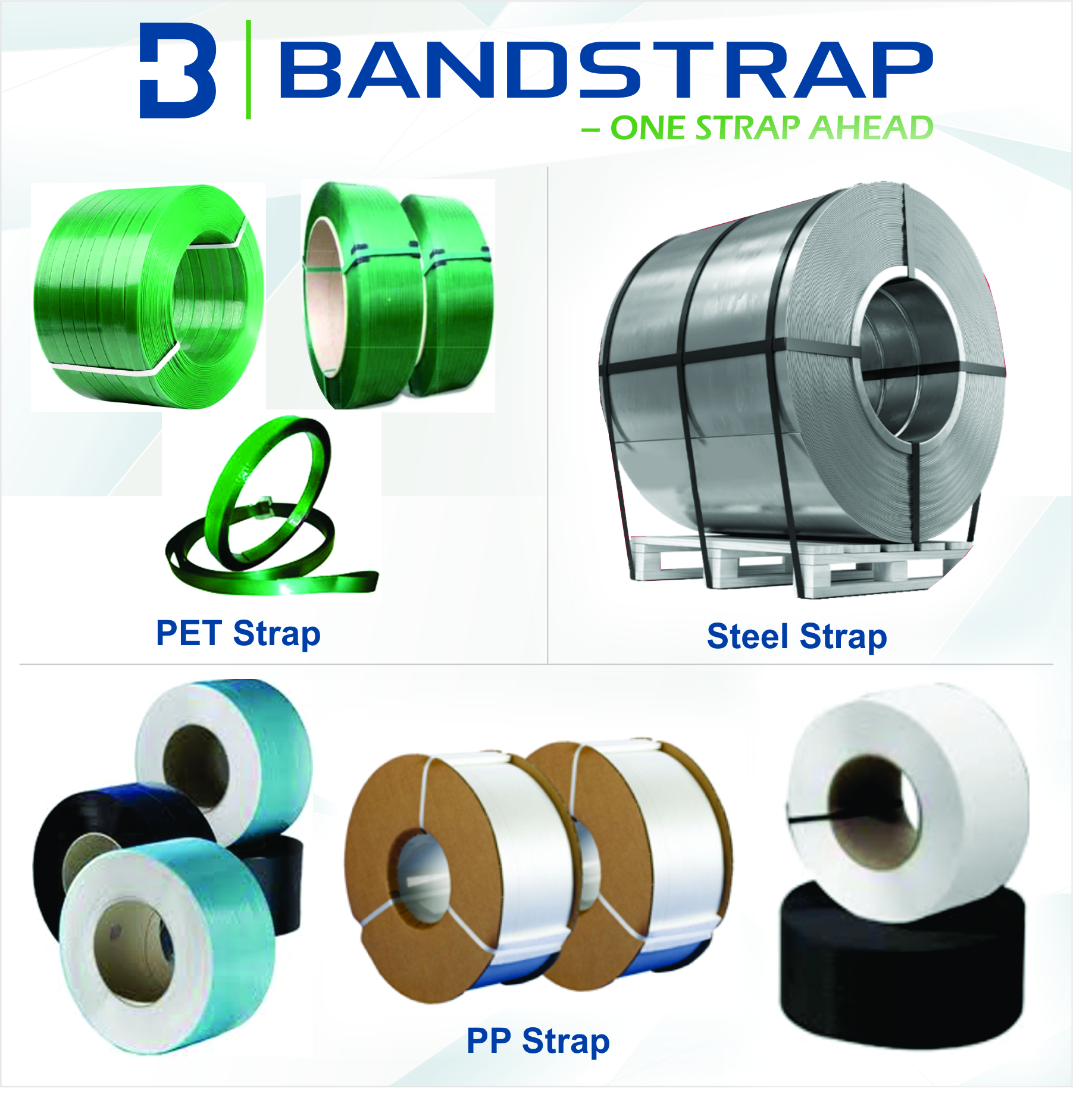
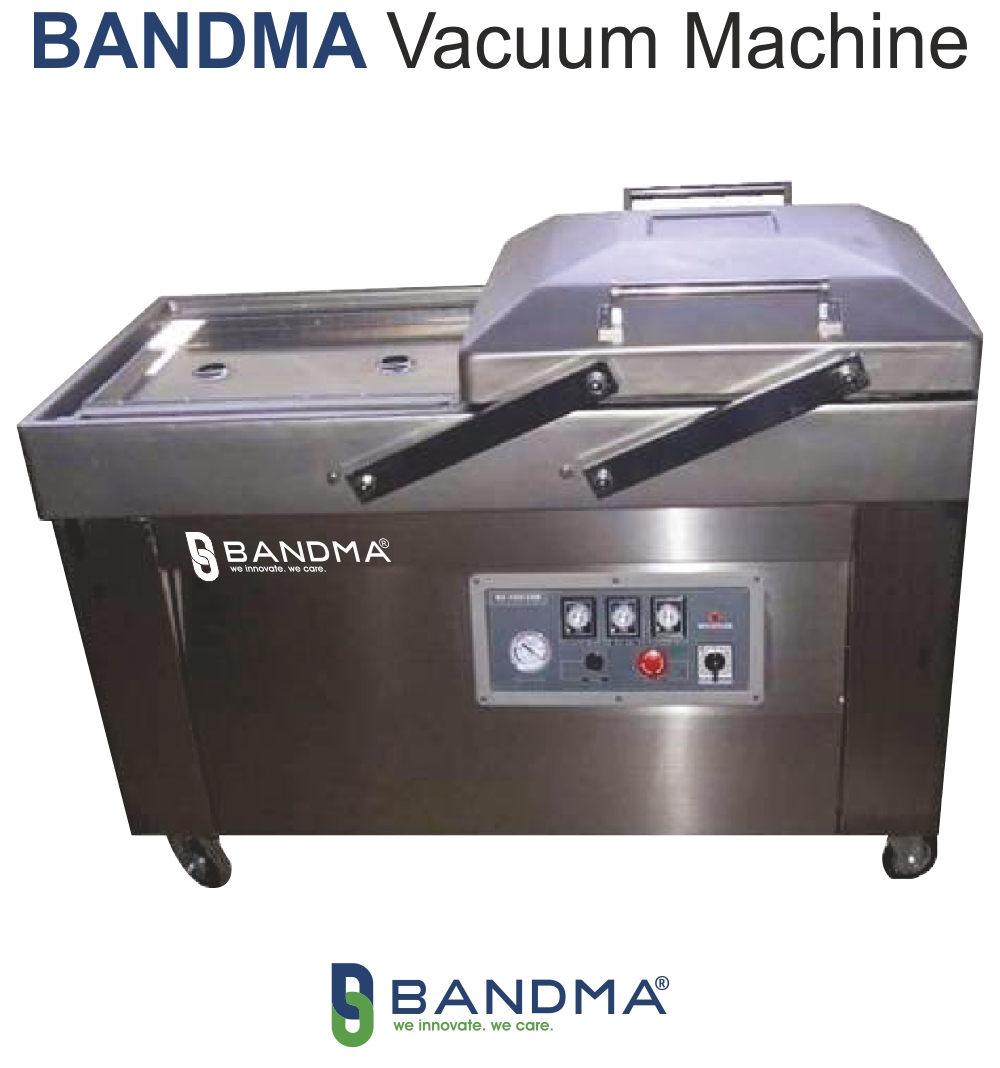
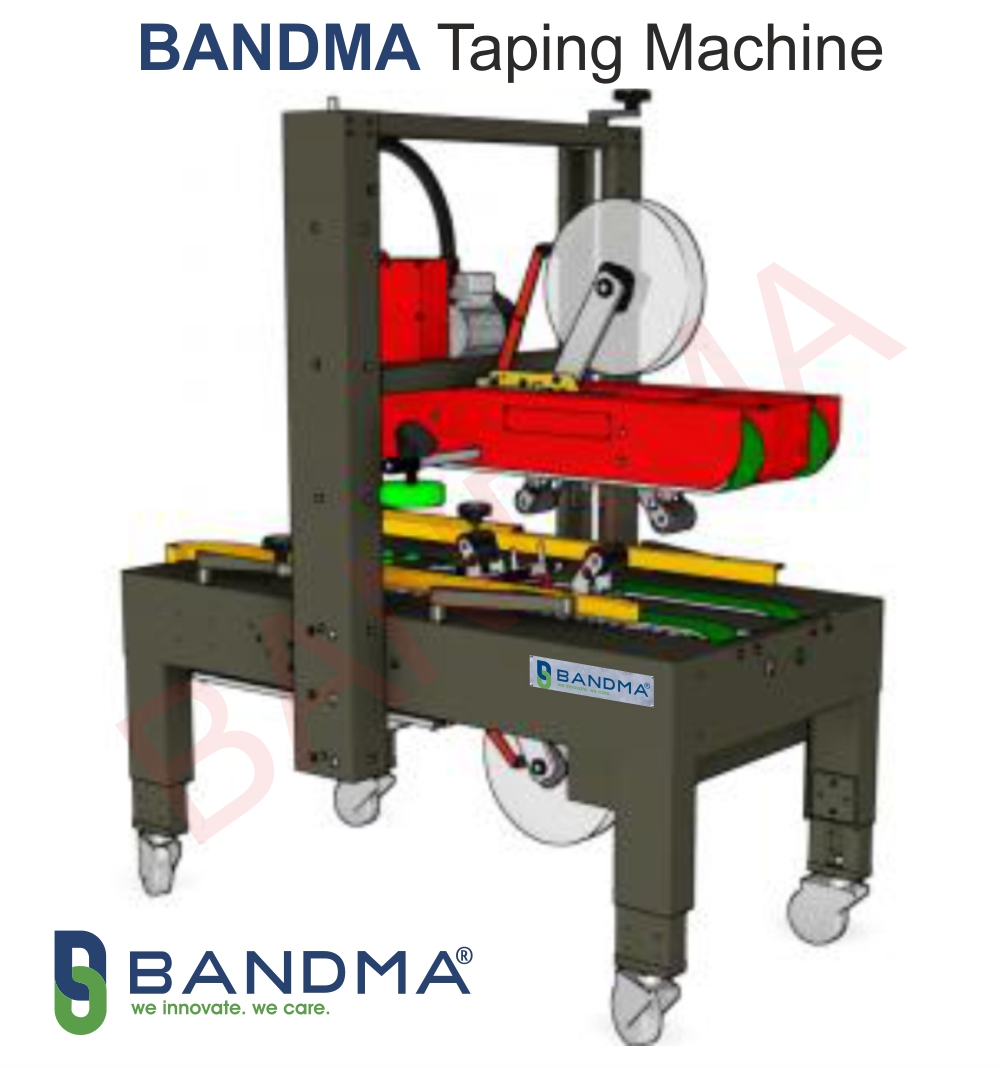
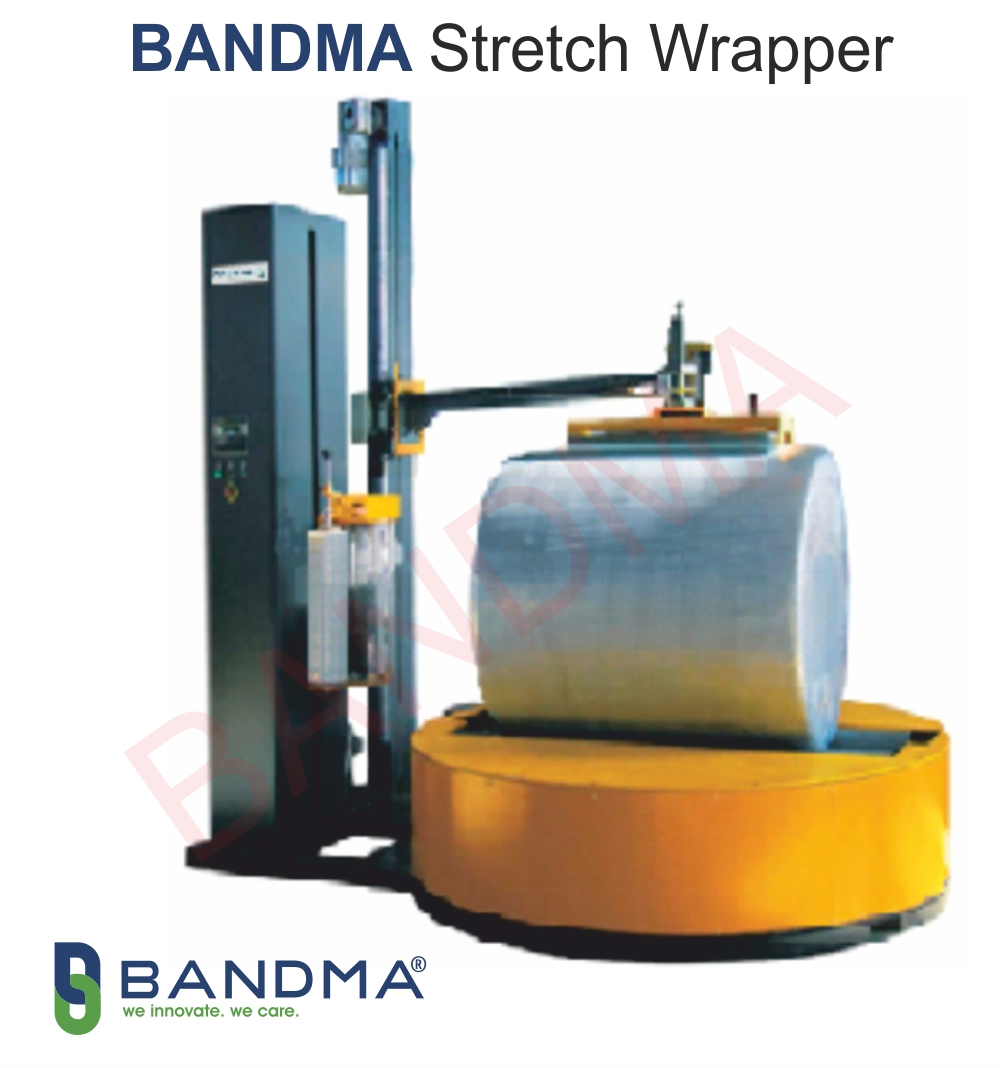
Automation doesn't have to mean overhauling the entire packaging line at once. Many manufacturers start with one high-impact area, such as carton erecting, taping, strapping, or stretch wrapping, and expand from there as the benefits become clear.
Conclusion
Manual packaging can work well up to a certain point, but growing volumes, rising costs, recurring errors, bottlenecks, and customer complaints are all signs that point in the same direction. Recognising these signs early allows manufacturers to make the shift to automation on their own terms, rather than being forced into it by mounting operational pressure.
If your packaging line is showing even a few of these signs, it may be time to explore how automation can bring back the efficiency and consistency your business needs.