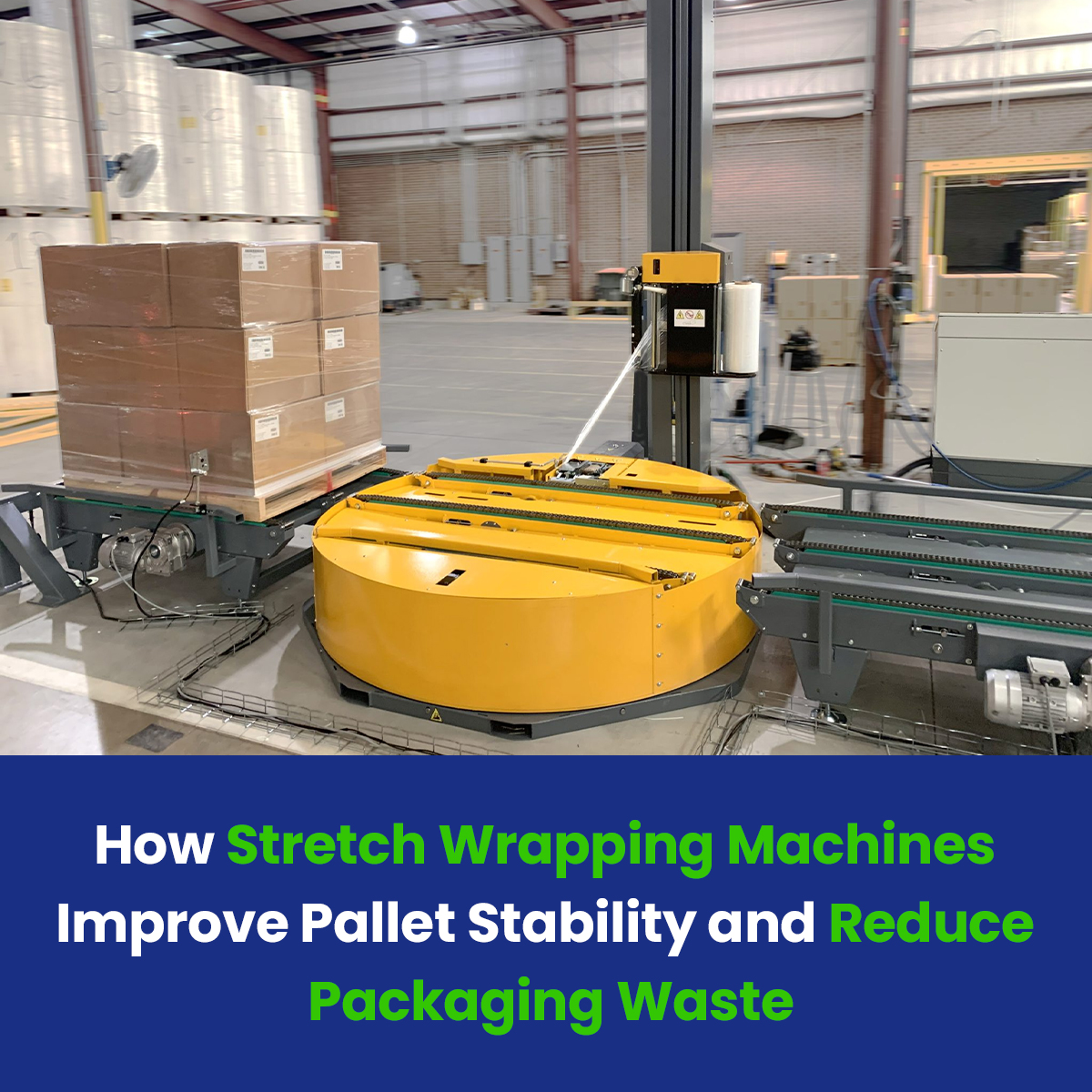

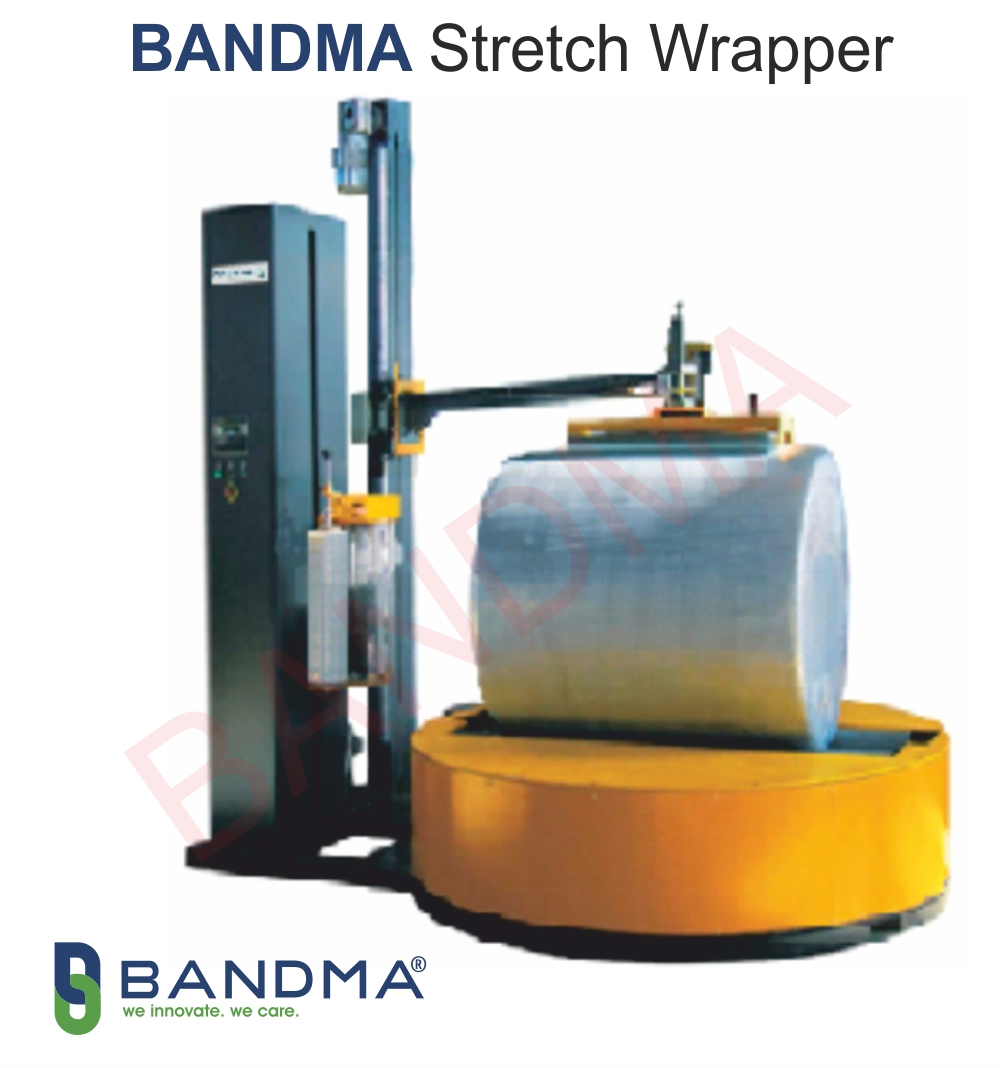
Pallet wrapping is one of those packaging steps that seems simple on the surface but has a direct impact on product safety, material costs, and overall efficiency. Many manufacturers still rely on manual stretch wrapping, unaware of how much this method is costing them in wasted film, unstable loads, and inconsistent quality.
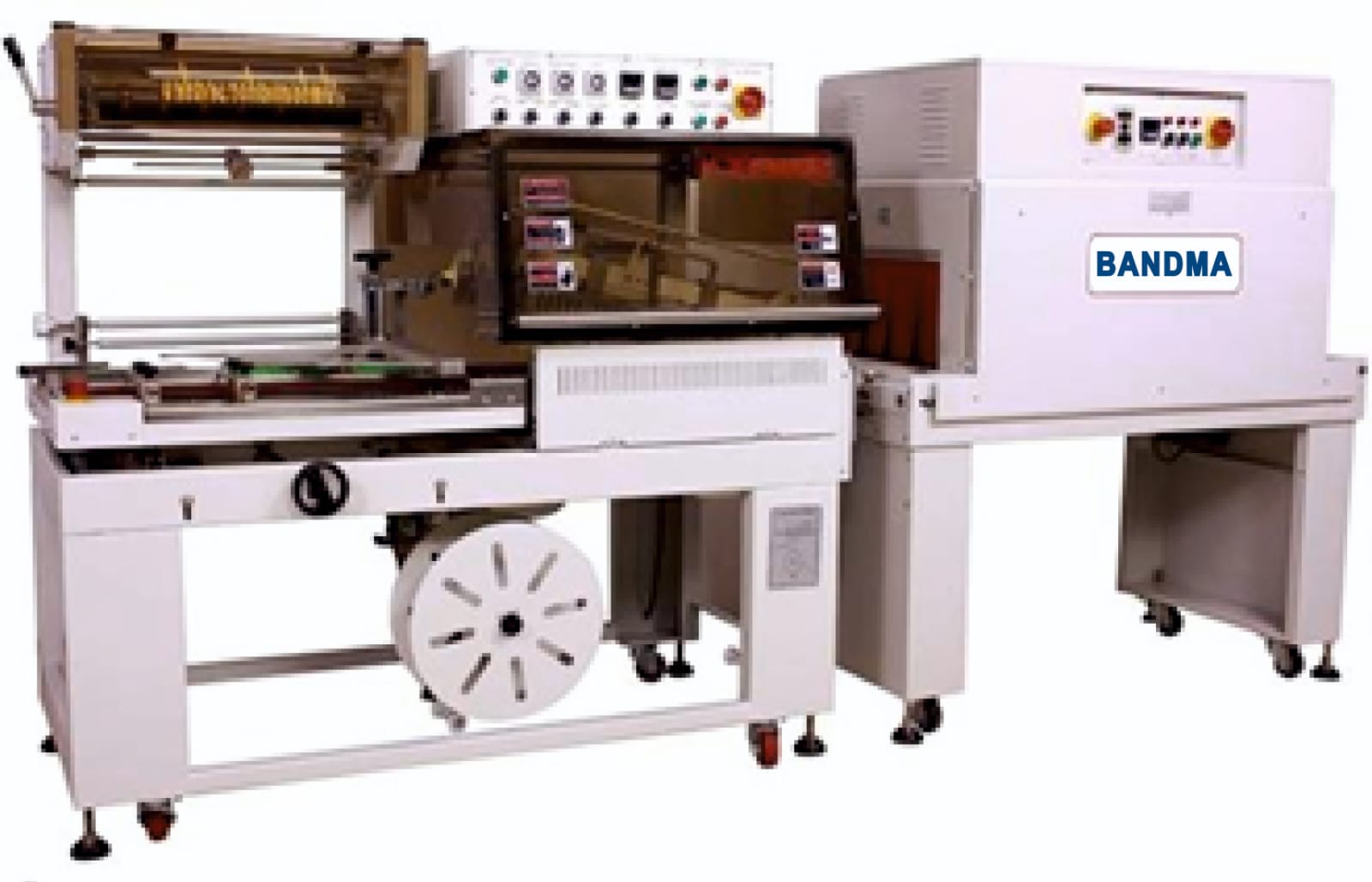
Automated stretch wrapping machines are changing that, offering a more reliable way to secure pallets while cutting down on waste. Here's how automated stretch wrapping compares to manual wrapping, and why more manufacturers are making the switch.
Problems With Manually Wrapped Pallets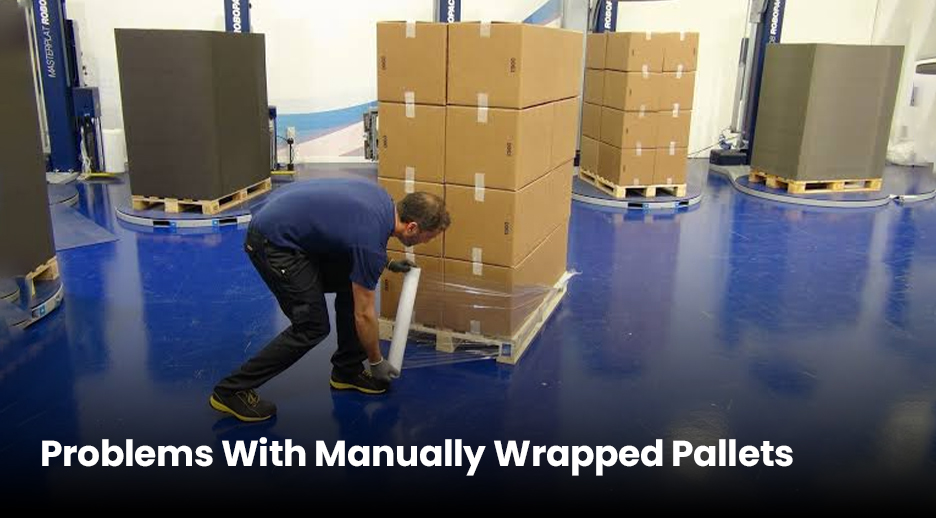
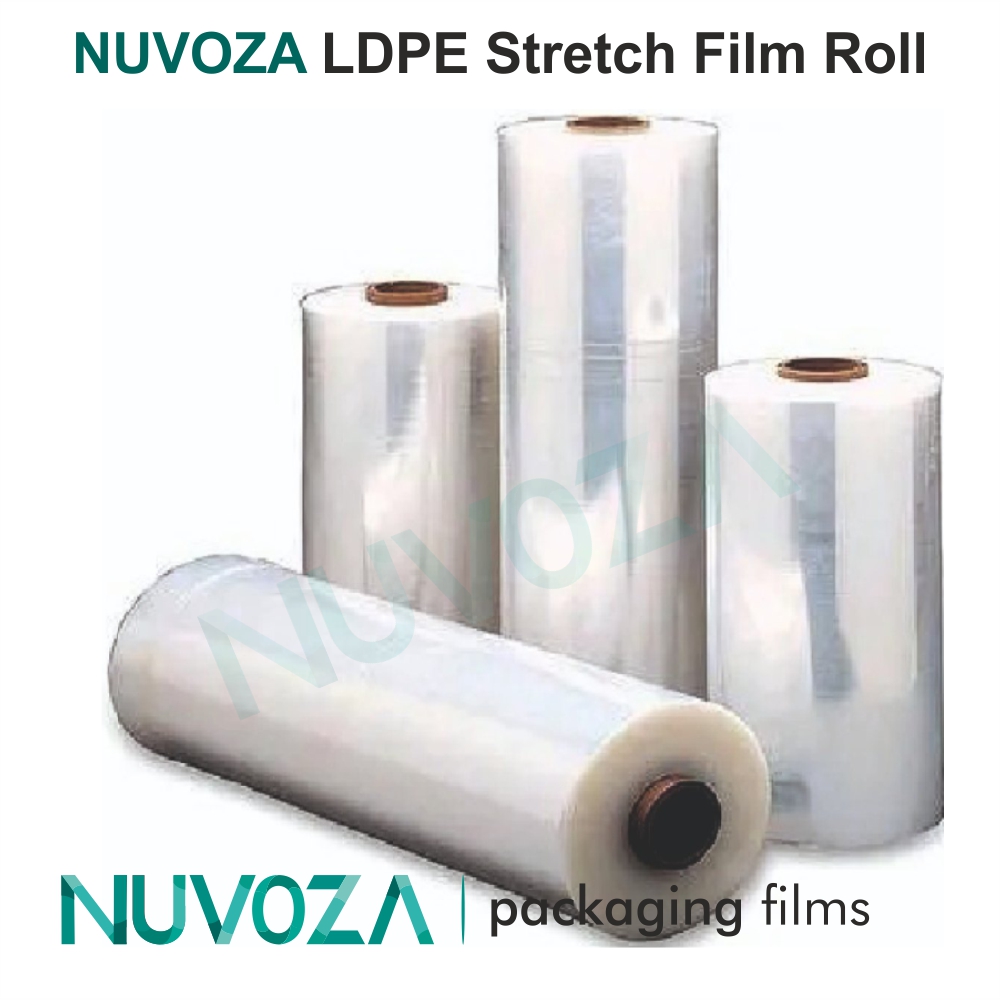
Manual pallet wrapping involves a worker walking around the load with a film roll, applying tension by hand and judging overlap and coverage as they go. This process is slow, physically tiring, and highly dependent on the individual's technique and consistency.
On high-volume lines, manual wrapping quickly becomes a bottleneck, since each pallet takes a noticeable amount of time and effort to wrap securely.
Film Wastage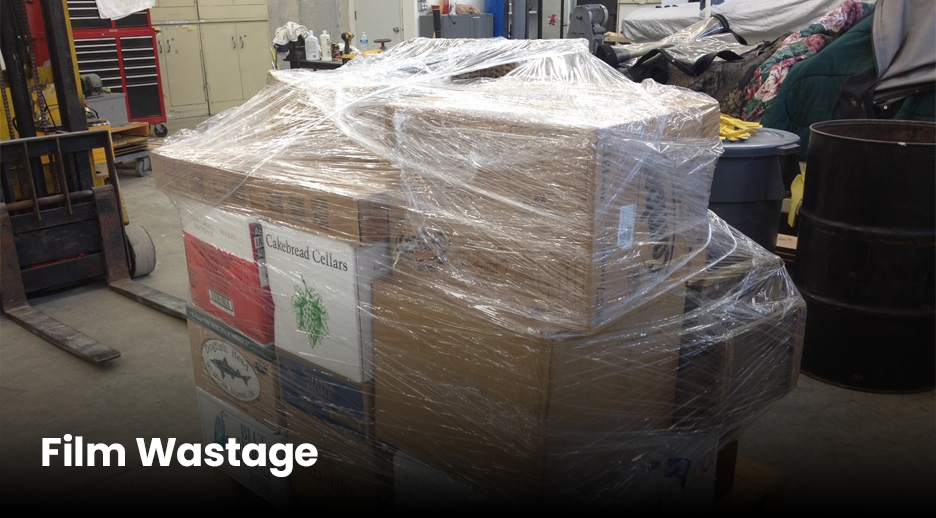
Manual wrapping often leads to excessive film usage; workers tend to apply extra layers or overlap generously to compensate for inconsistent tension and reduce the risk of a poorly wrapped load. While this might seem like a safety measure, it results in significant film wastage over time.
Automated stretch wrapping machines are calibrated to apply the optimal amount of film with controlled tension, using only what's needed to secure each load properly. Across high-volume operations, this leads to considerable savings on film costs.
Uneven Wrapping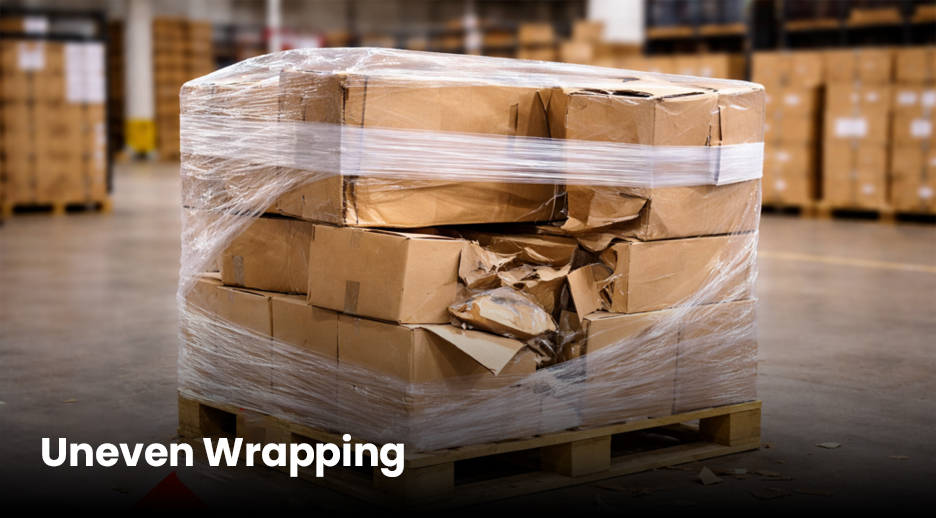
Consistency is difficult to achieve with manual wrapping. Some sections of a pallet may end up with tighter film coverage while others are looser, depending on how the worker moves and applies pressure. This unevenness weakens the overall wrap and leaves certain areas of the load vulnerable.
Automated machines apply film uniformly around the entire pallet, maintaining consistent tension and overlap from top to bottom, regardless of load shape or size.
Load Stability During Transportation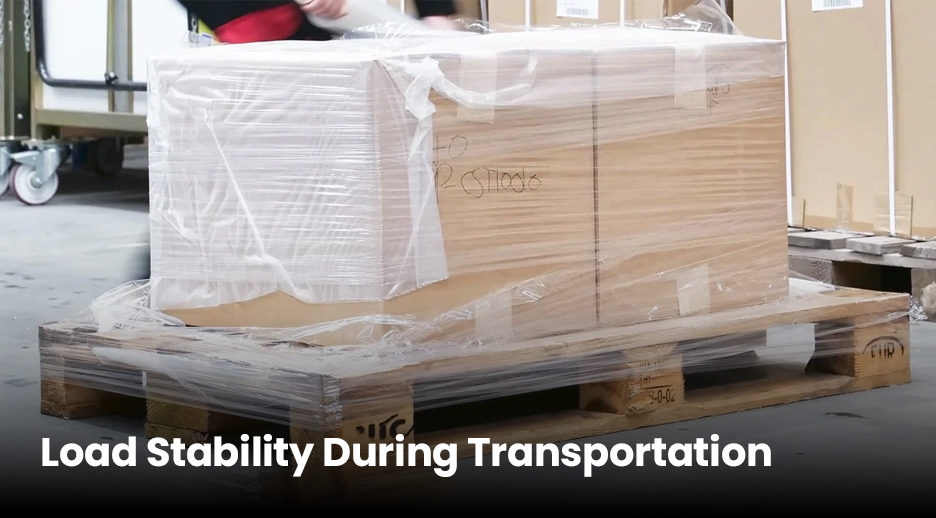
Pallets go through considerable movement during transportation, stacking, forklift handling, and vehicle vibration. An unevenly or loosely wrapped pallet is far more likely to shift, lean, or collapse during this handling, leading to product damage and safety hazards.
Automated stretch wrapping secures the entire load with even, consistent tension, keeping products tightly bound together and significantly reducing the risk of load failure in transit.
Benefits of Automated Stretch Wrapping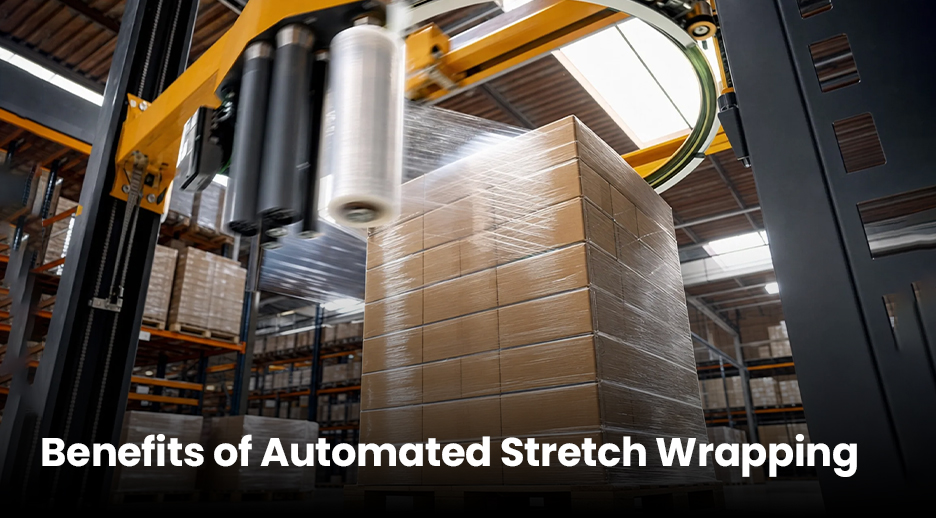
Beyond film savings and load stability, automated stretch wrapping machines offer consistent wrapping speed, allowing manufacturers to move pallets through the packaging line faster and more predictably. They also reduce the physical strain on workers, since manual wrapping involves repetitive walking, bending, and pulling that can lead to fatigue and injury over time.
Additionally, automated systems allow manufacturers to adjust film tension and wrap patterns based on load type, ensuring fragile or irregularly shaped products get the right level of protection without manual guesswork.
Conclusion
Manual stretch wrapping might seem like a straightforward task, but the hidden costs of film wastage, inconsistent wrapping, and unstable loads add up quickly across high-volume operations. Automated stretch wrapping machines address these issues directly, delivering secure, uniform pallets while reducing material costs and protecting products throughout transportation.
For manufacturers looking to tighten up their packaging process, automated stretch wrapping is a small equipment change that delivers a big impact on both cost and reliability.