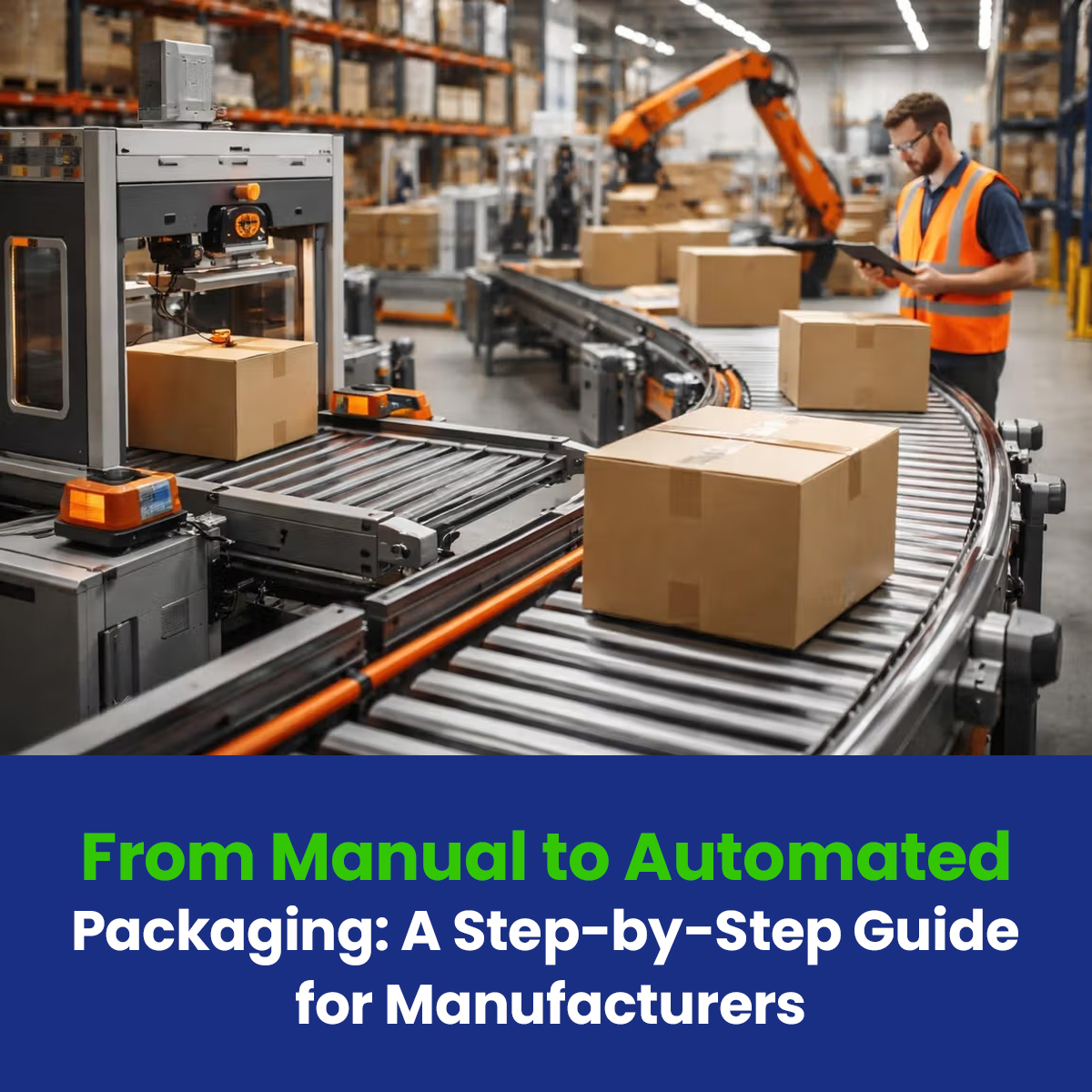


Moving from manual to automated packaging can feel like a big decision, and for good reason: it involves cost, planning, and change across the production floor. But when approached step by step, the transition becomes far more manageable, and the benefits in speed, consistency, and cost savings make the effort worthwhile.
Here's a practical, step-by-step guide manufacturers can follow when making the shift.
Assessing the Existing Packaging Line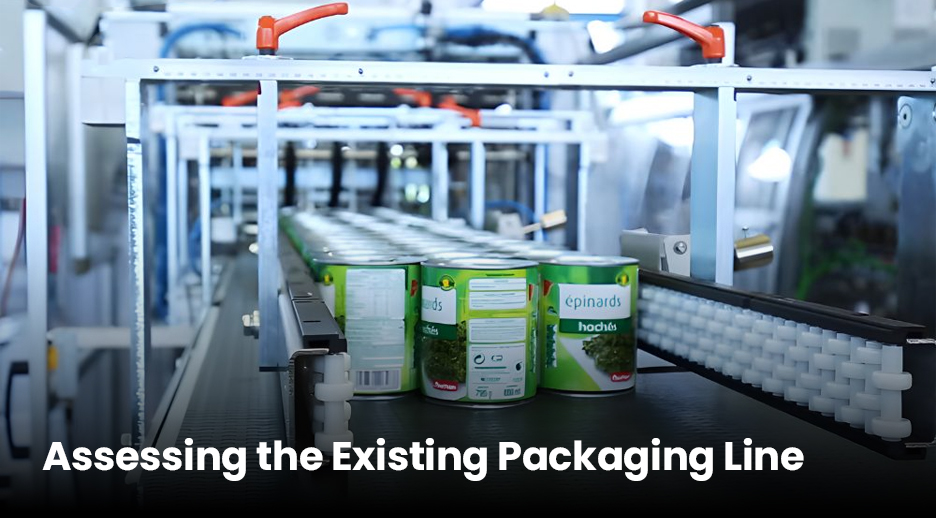
Before making any changes, it's important to understand exactly how the current packaging process works. This means mapping out each step, from carton formation to sealing, strapping, and wrapping, and noting how much time, labour, and material each step consumes.
This assessment gives manufacturers a clear baseline to compare against once automation is introduced, and it often reveals inefficiencies that weren't obvious during day-to-day operations.
Identifying Bottlenecks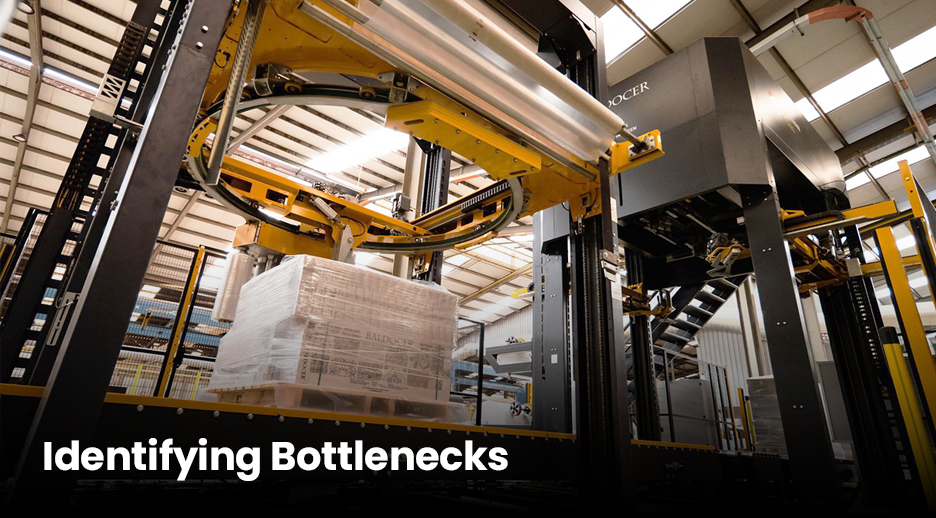
With a clear picture of the existing process, the next step is pinpointing where delays and inefficiencies actually occur. Is packaging consistently the slowest step in production? Are certain tasks, like strapping or carton sealing, causing the most delays or errors?
Identifying these bottlenecks helps manufacturers prioritise which parts of the packaging line need automation first, rather than trying to automate everything at once.
Selecting the Right Machine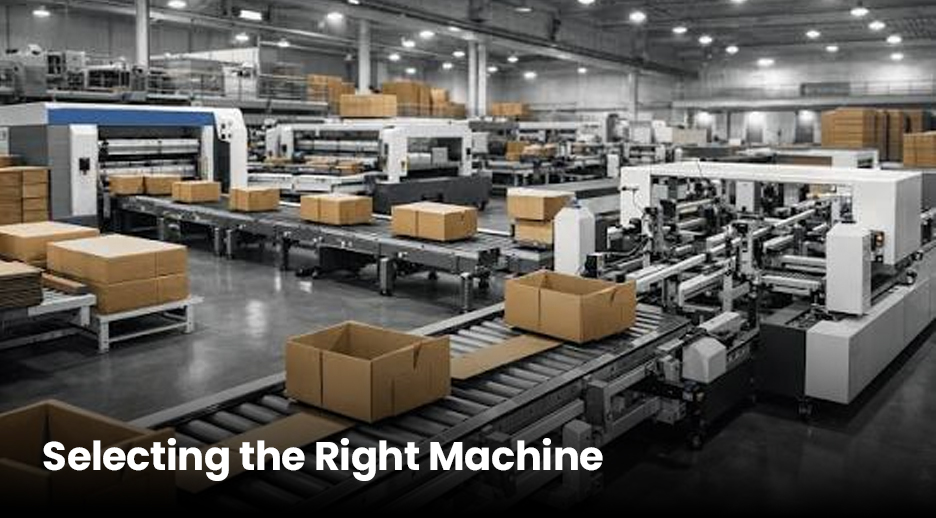
Not every packaging line needs the same equipment. Selecting the right machine depends on factors like product type, packaging material, required speed, and available floor space. A manufacturer dealing with heavy cartons has different needs than one packaging lightweight FMCG products.
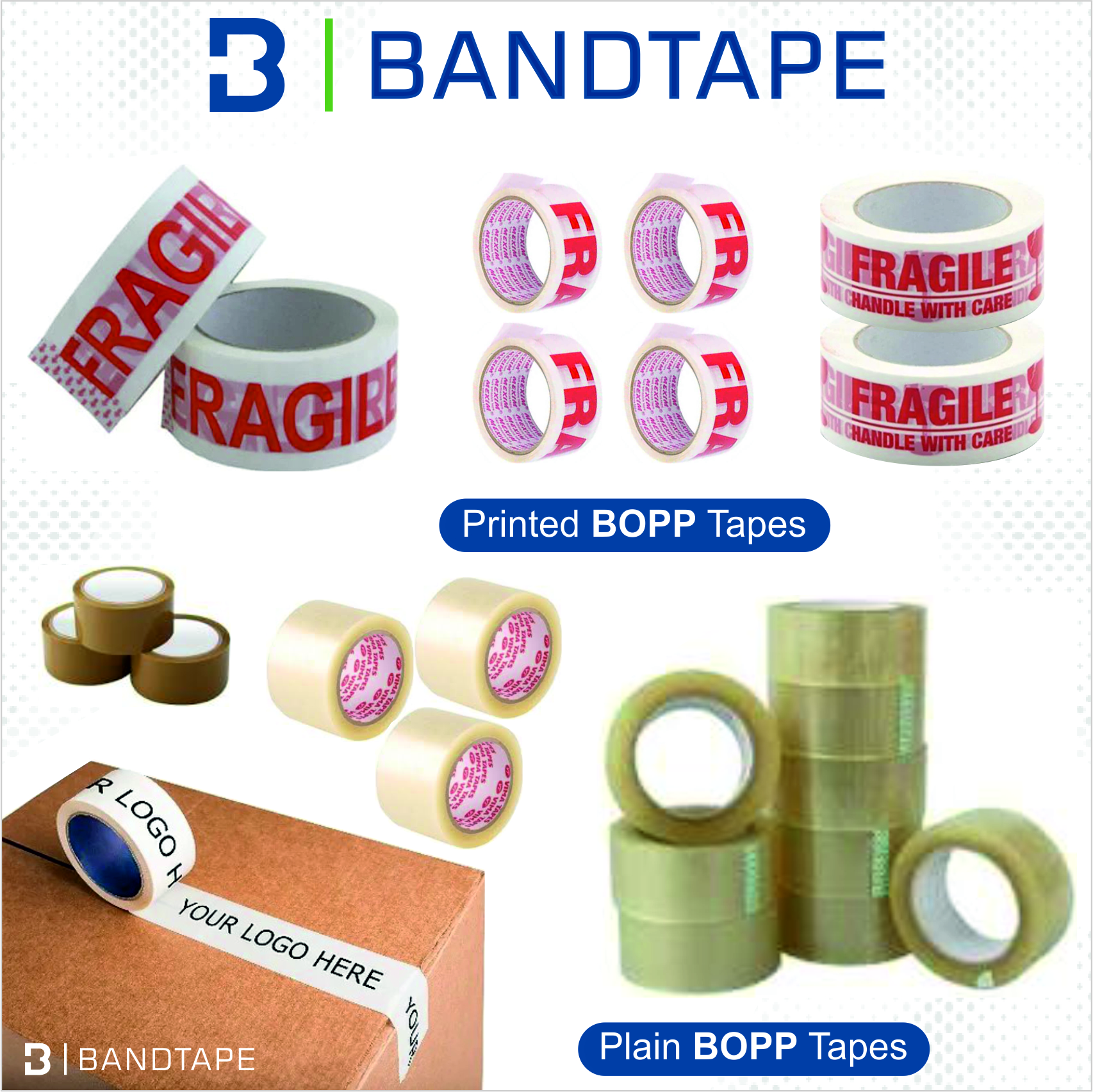
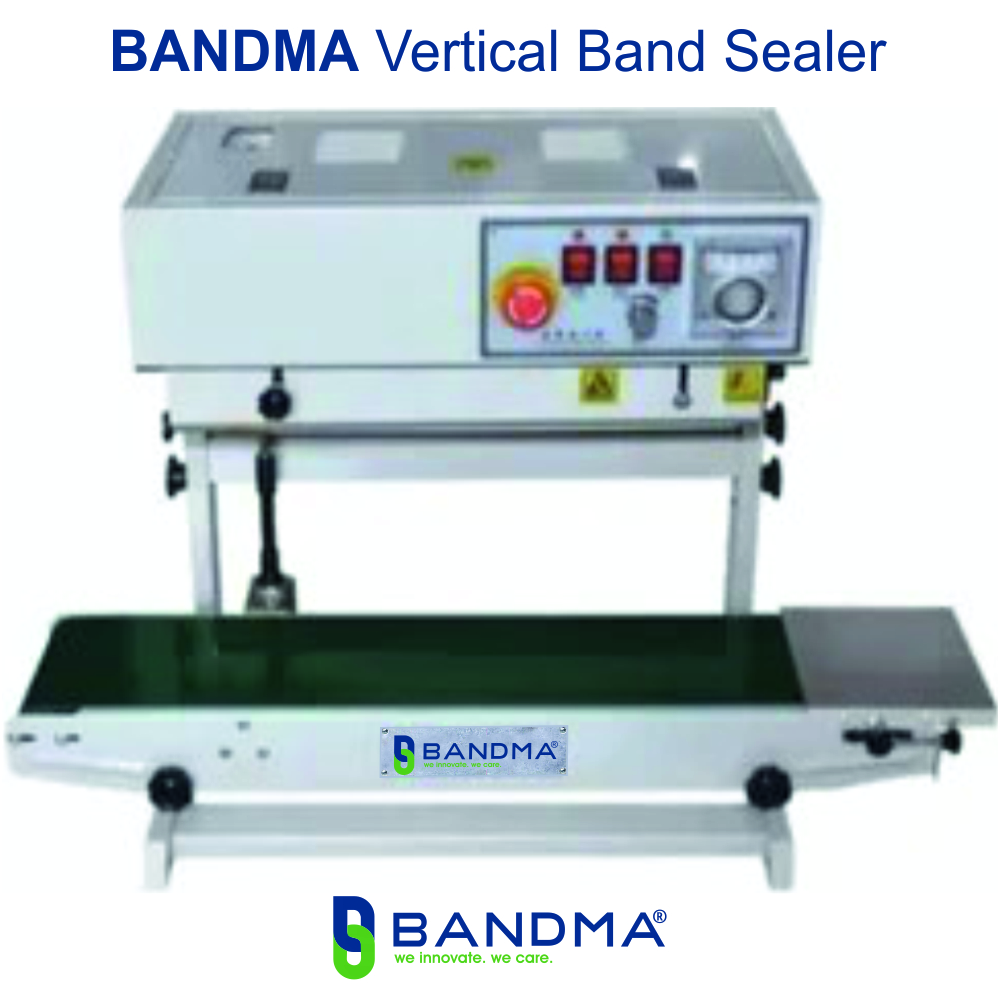
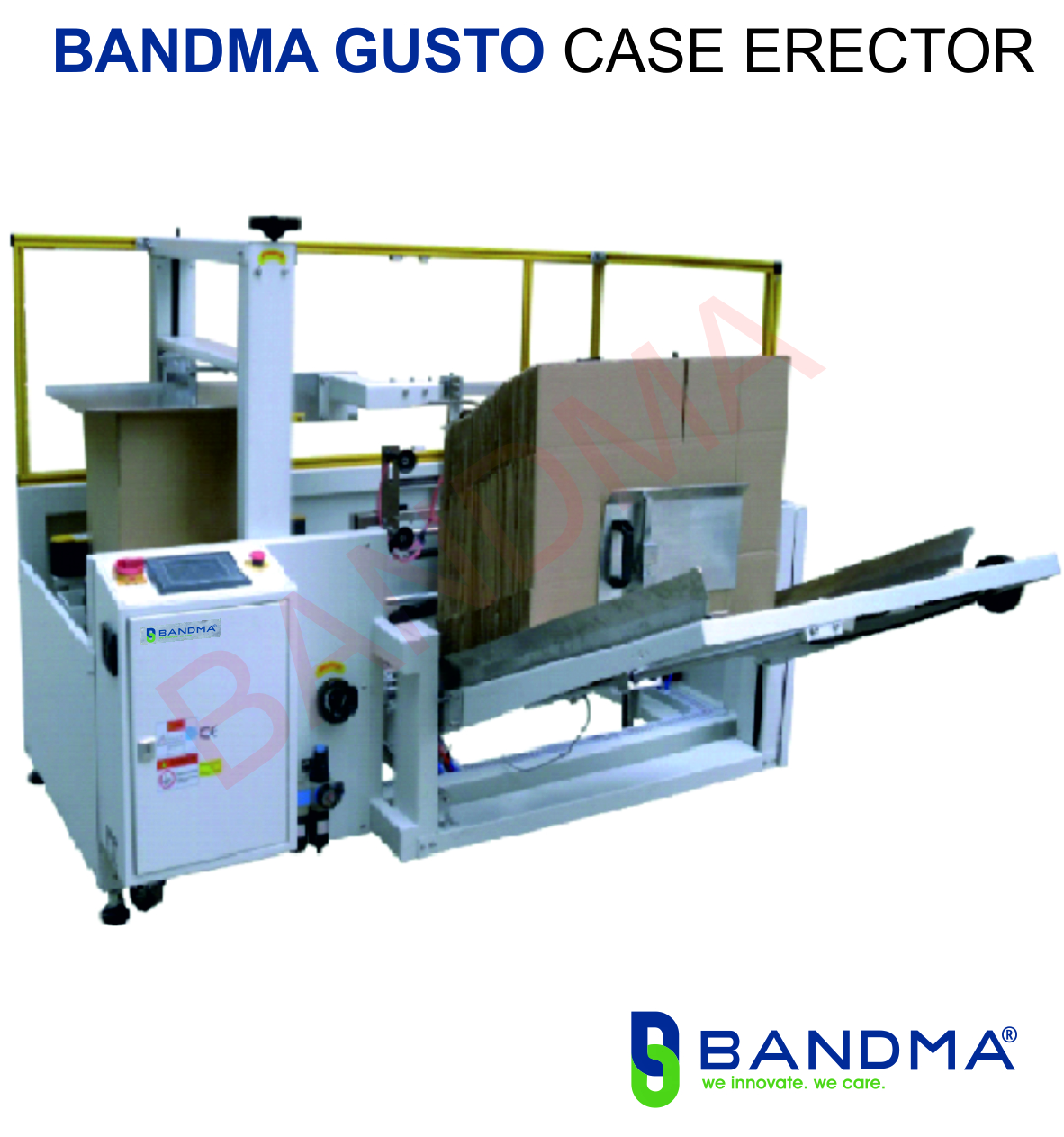
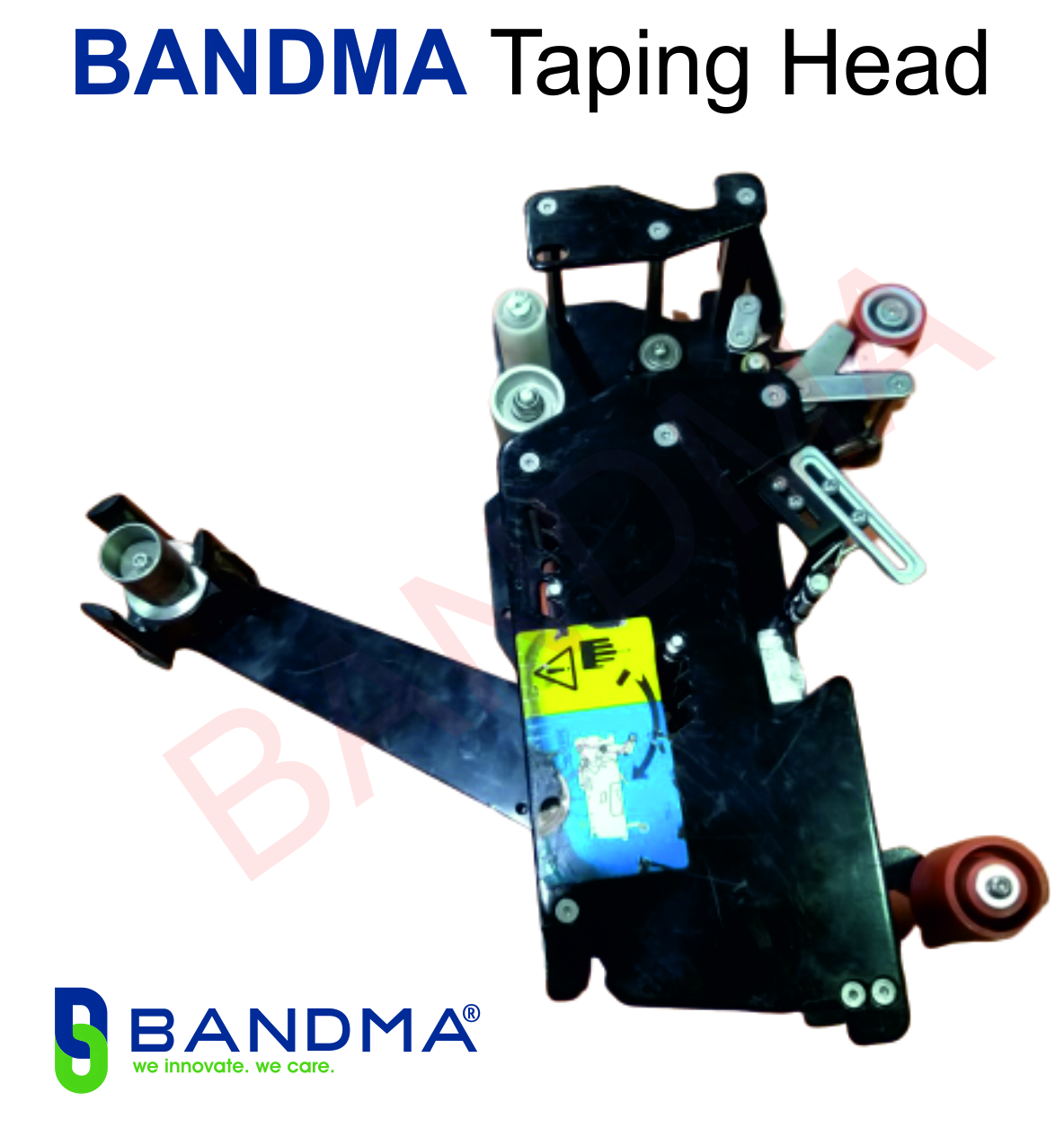
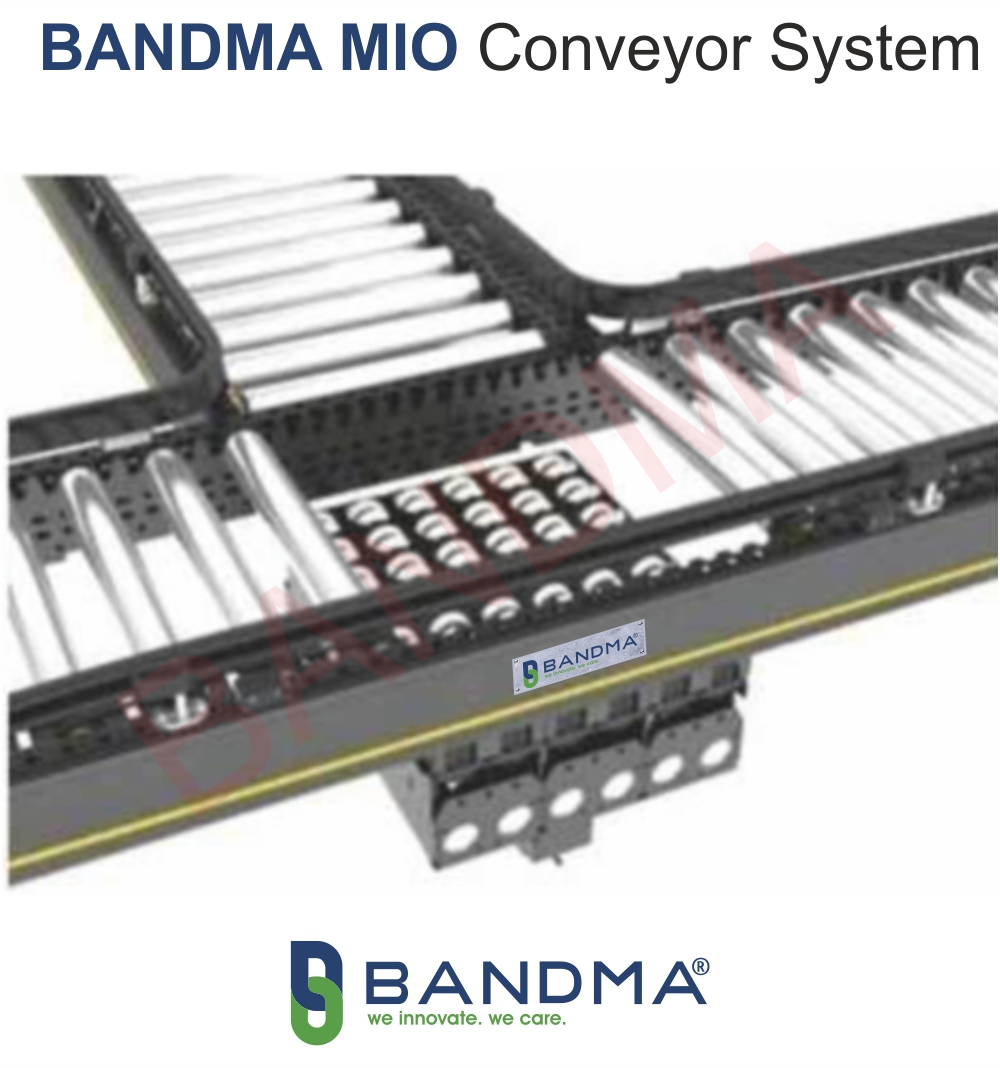
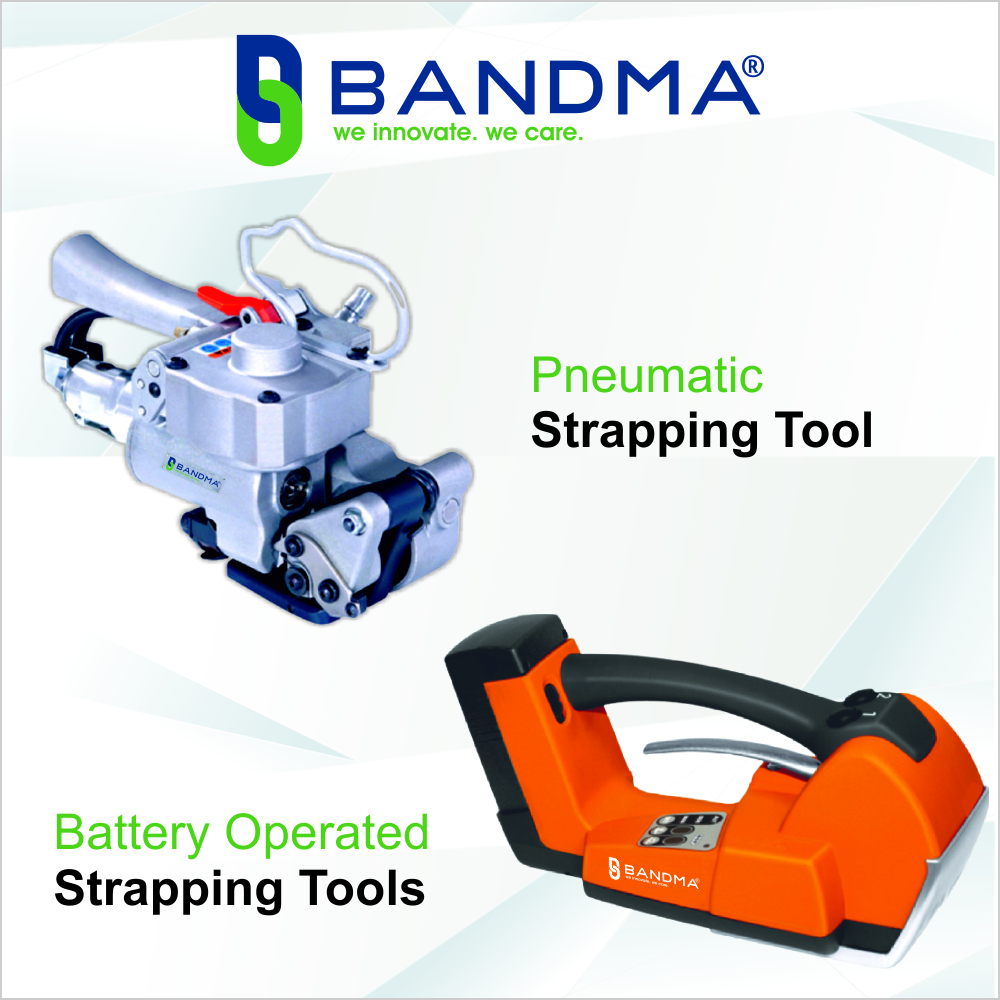
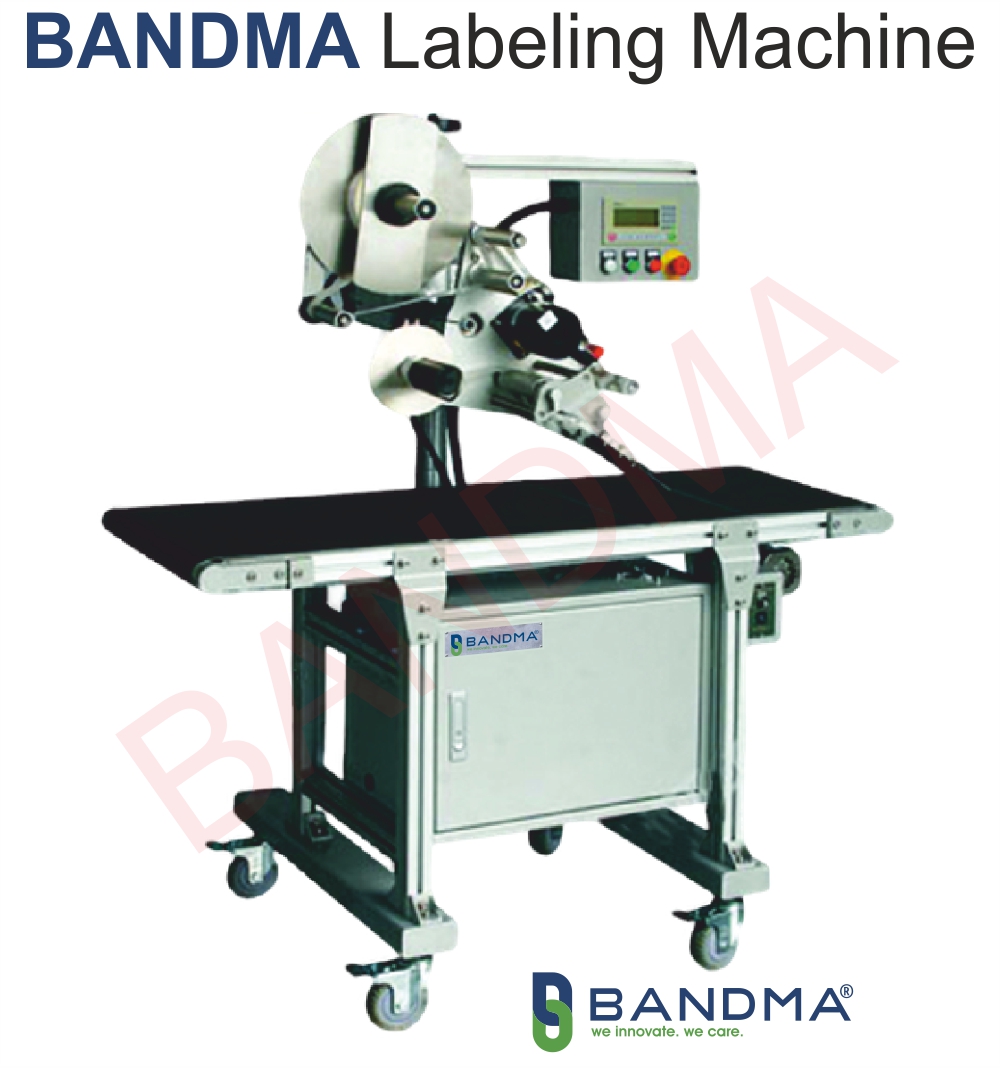
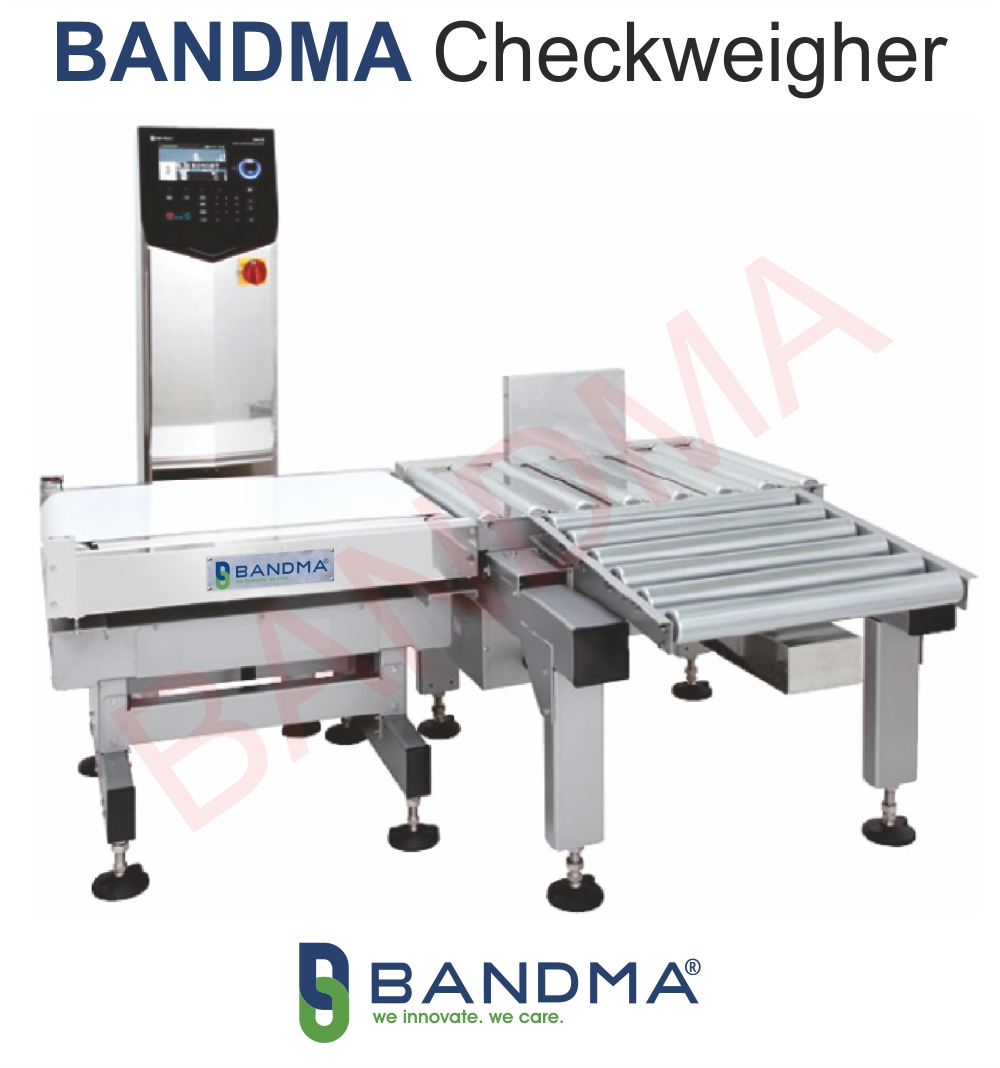
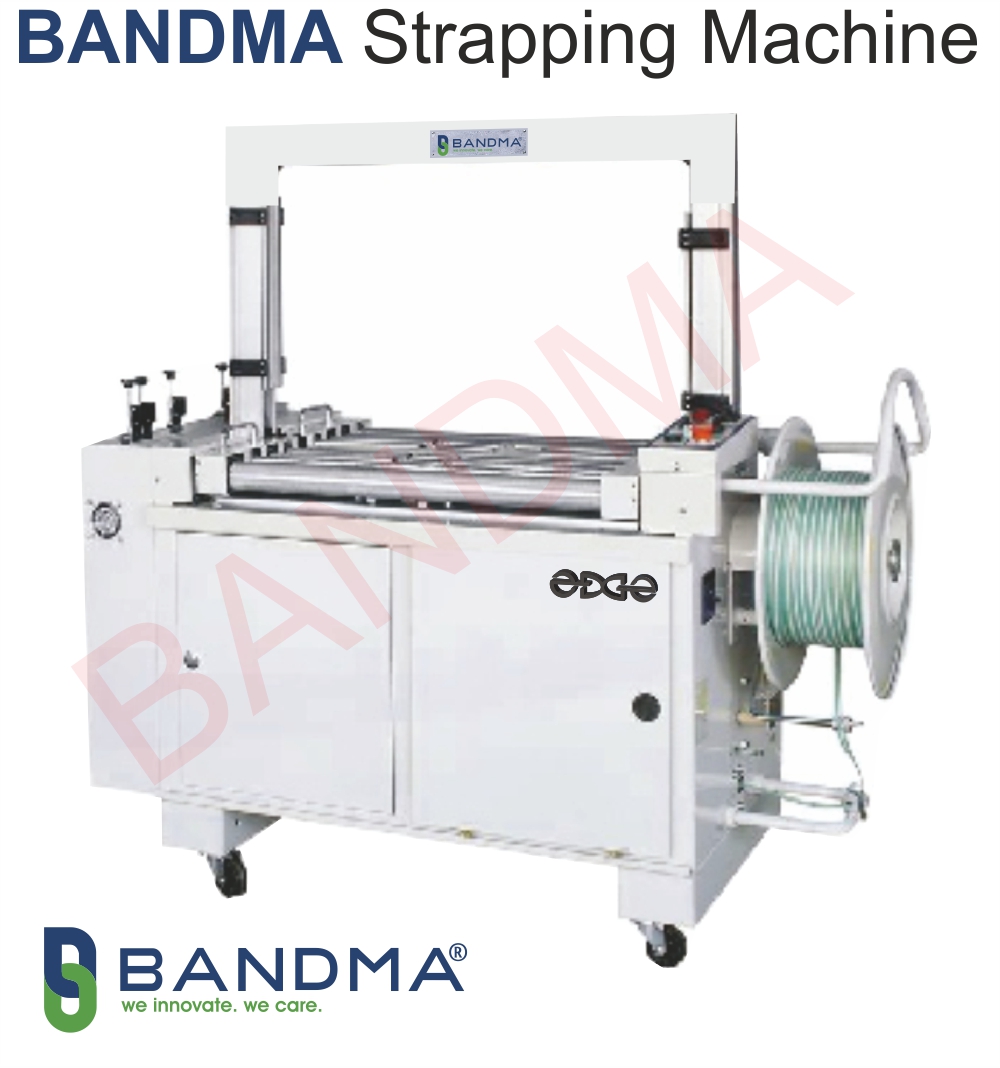
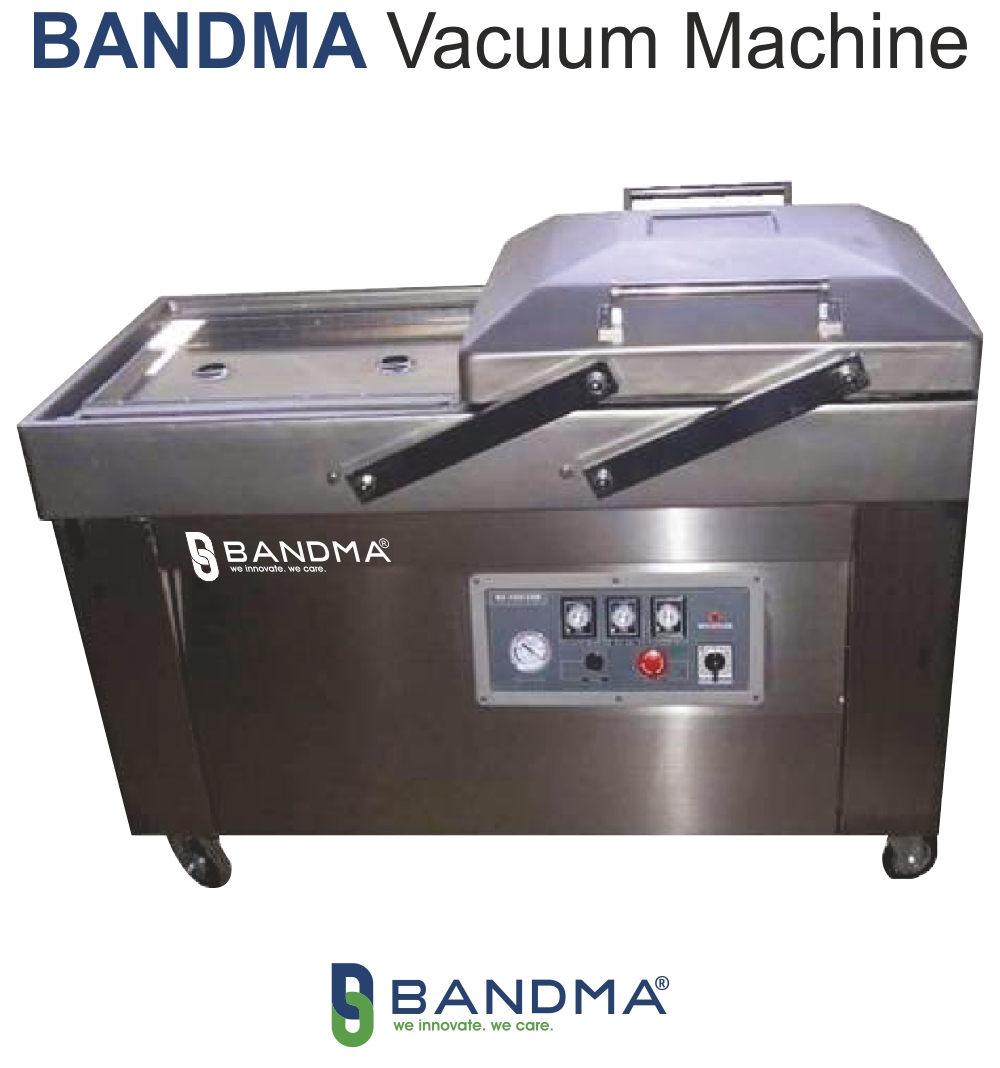
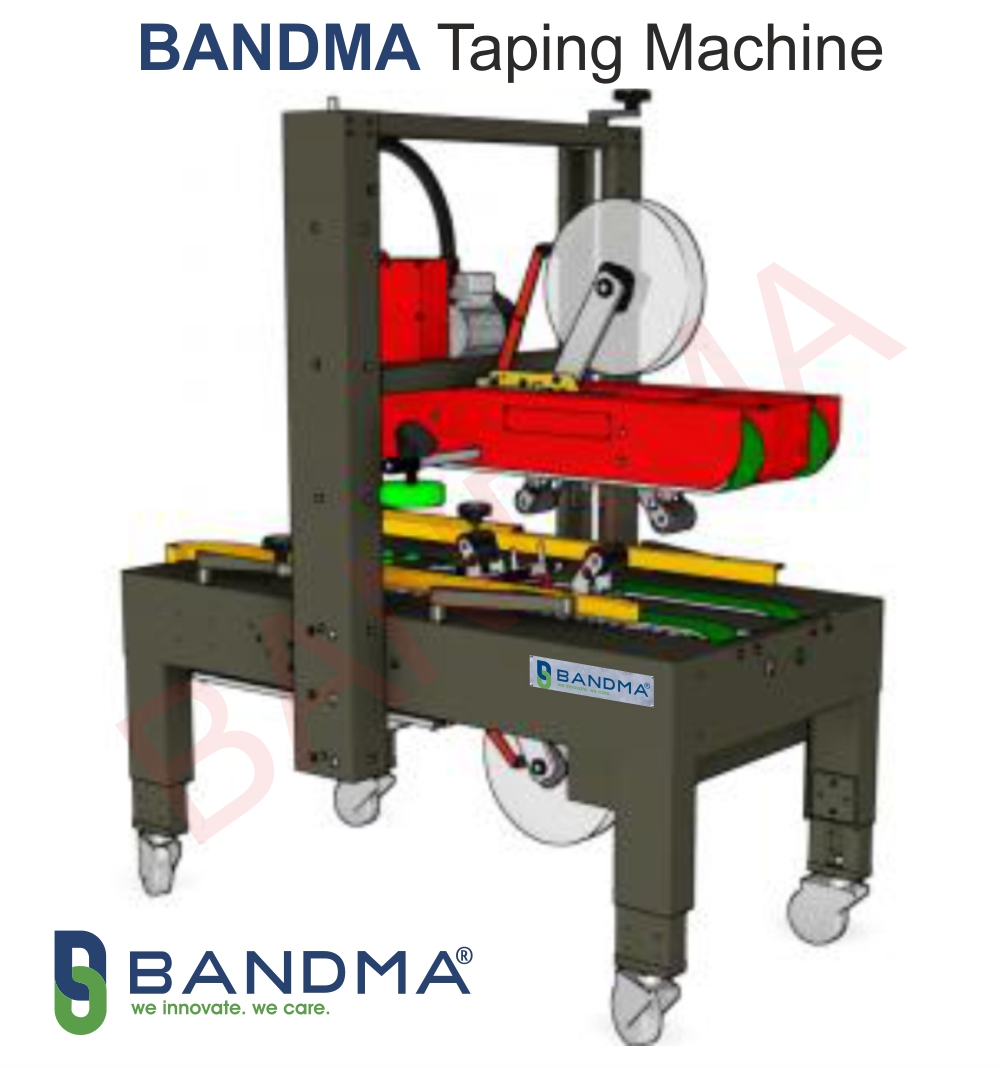
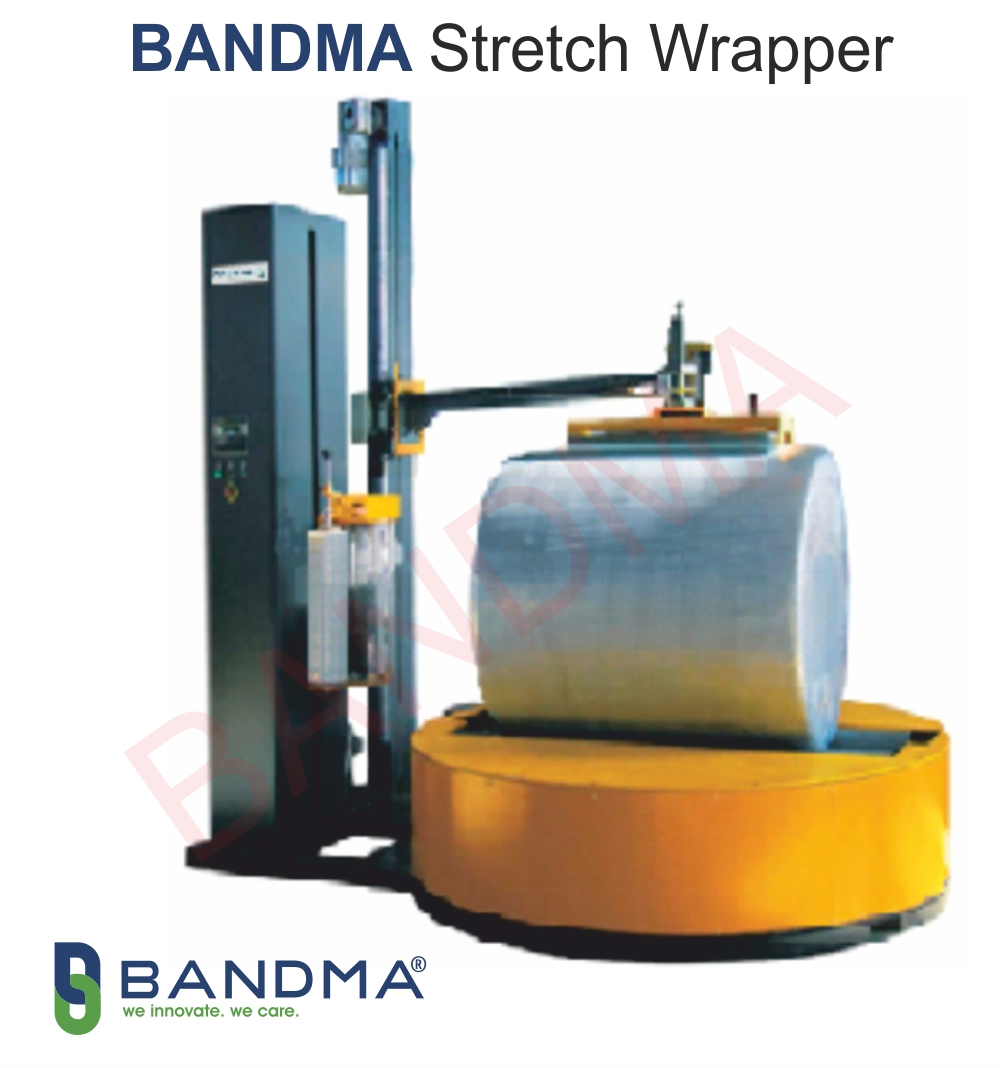
At this stage, it helps to match specific machines- carton erectors, taping machines, strapping machines, or stretch wrappers- to the bottlenecks identified earlier, rather than choosing equipment based on trends or budget alone.
Semi-Automatic vs Fully Automatic Systems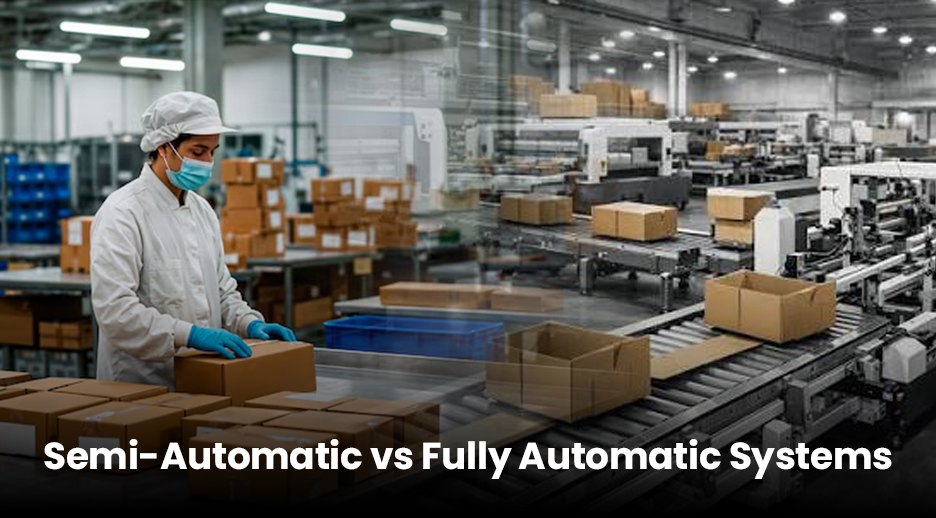
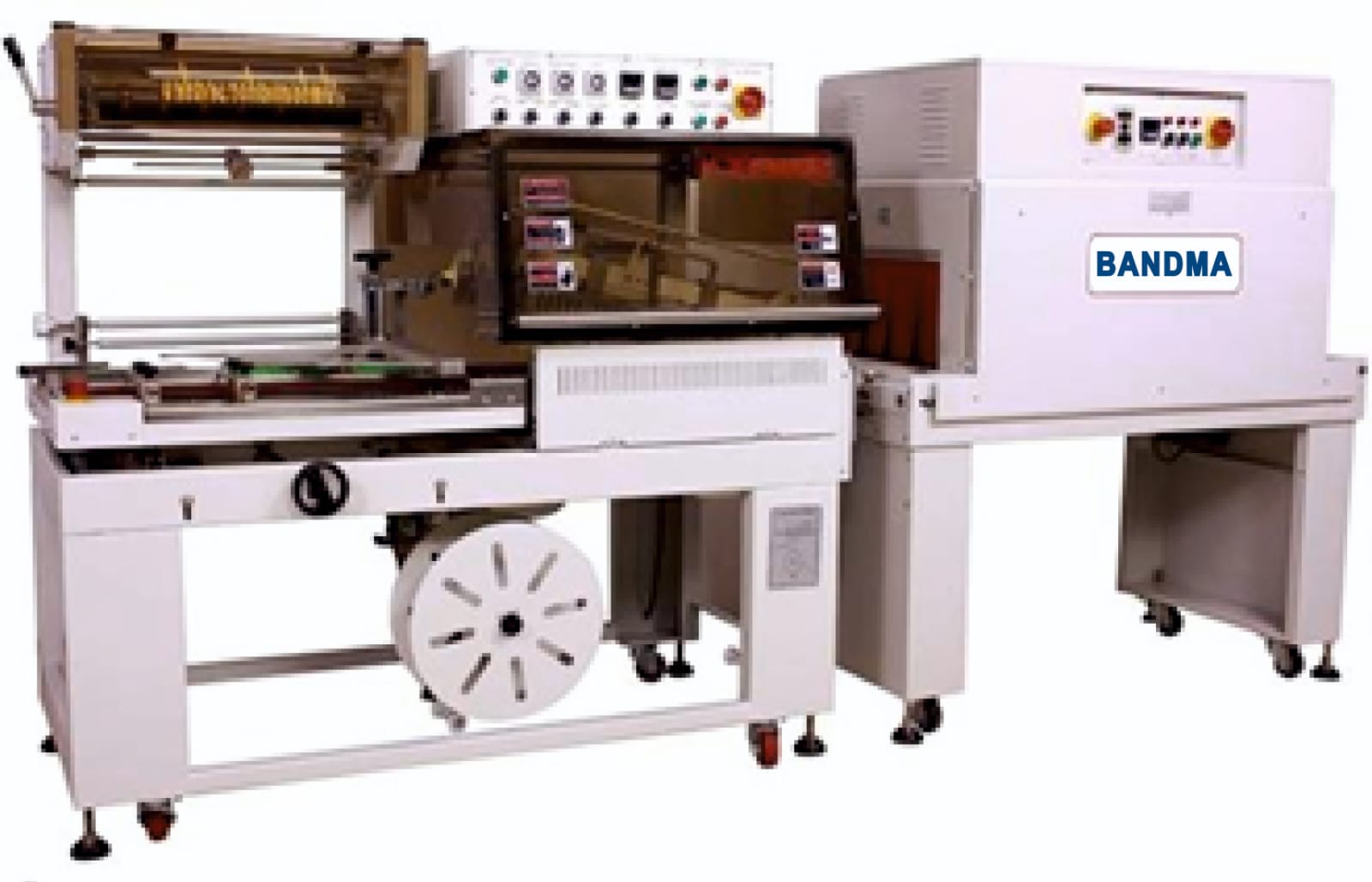
Manufacturers don't always need to jump straight to full automation. Semi-automatic systems, where machines handle part of the process while workers manage the rest, offer a lower-cost entry point and are useful for lines with moderate volume or budget constraints.
Fully automatic systems, on the other hand, are suited for high-volume operations where speed and minimal manual intervention are priorities. Choosing between the two depends on current production volume, growth plans, and how much capital the business is ready to invest at this stage.
Implementation and Employee Training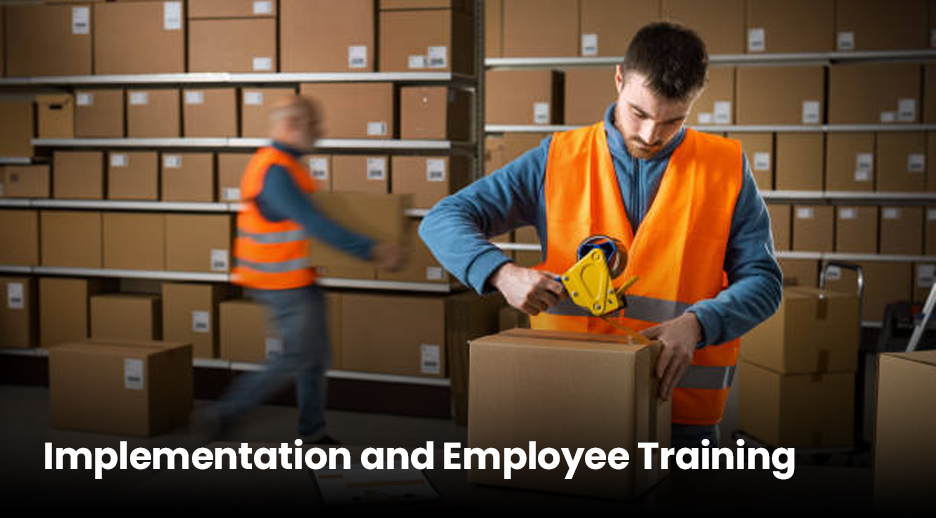
Once the right equipment is selected, implementation involves more than just installing machines. Production schedules need to account for setup and calibration time, and employees need proper training to operate, monitor, and troubleshoot the new systems.
Involving staff early in the transition, and clearly explaining how automation changes their roles rather than replaces them, helps smooth the adjustment and reduces resistance during rollout.
Measuring ROI After Automation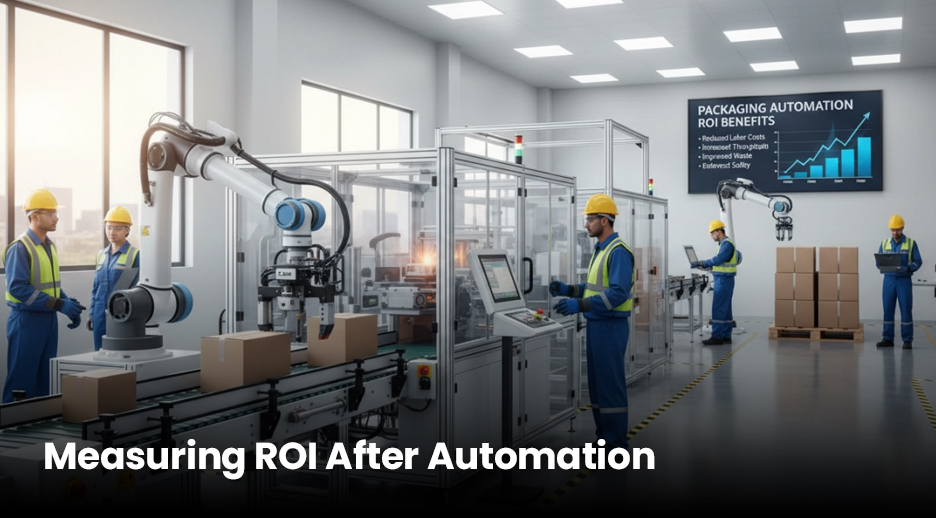
After automation is in place, tracking performance against the original baseline is essential. Key metrics include packaging speed, labour cost savings, material wastage reduction, and the drop in packaging-related errors or product damage.
Measuring these results over the following months gives manufacturers a clear picture of the payback period and helps build the case for automating additional parts of the packaging line in the future.
Conclusion
The shift from manual to automated packaging doesn't need to happen overnight. By assessing the current process, identifying bottlenecks, choosing the right equipment, and training employees properly, manufacturers can make the transition smoothly and start seeing measurable returns.
For businesses ready to move forward, the key is starting with a clear plan, automation delivers the best results when it's implemented step by step, not all at once.