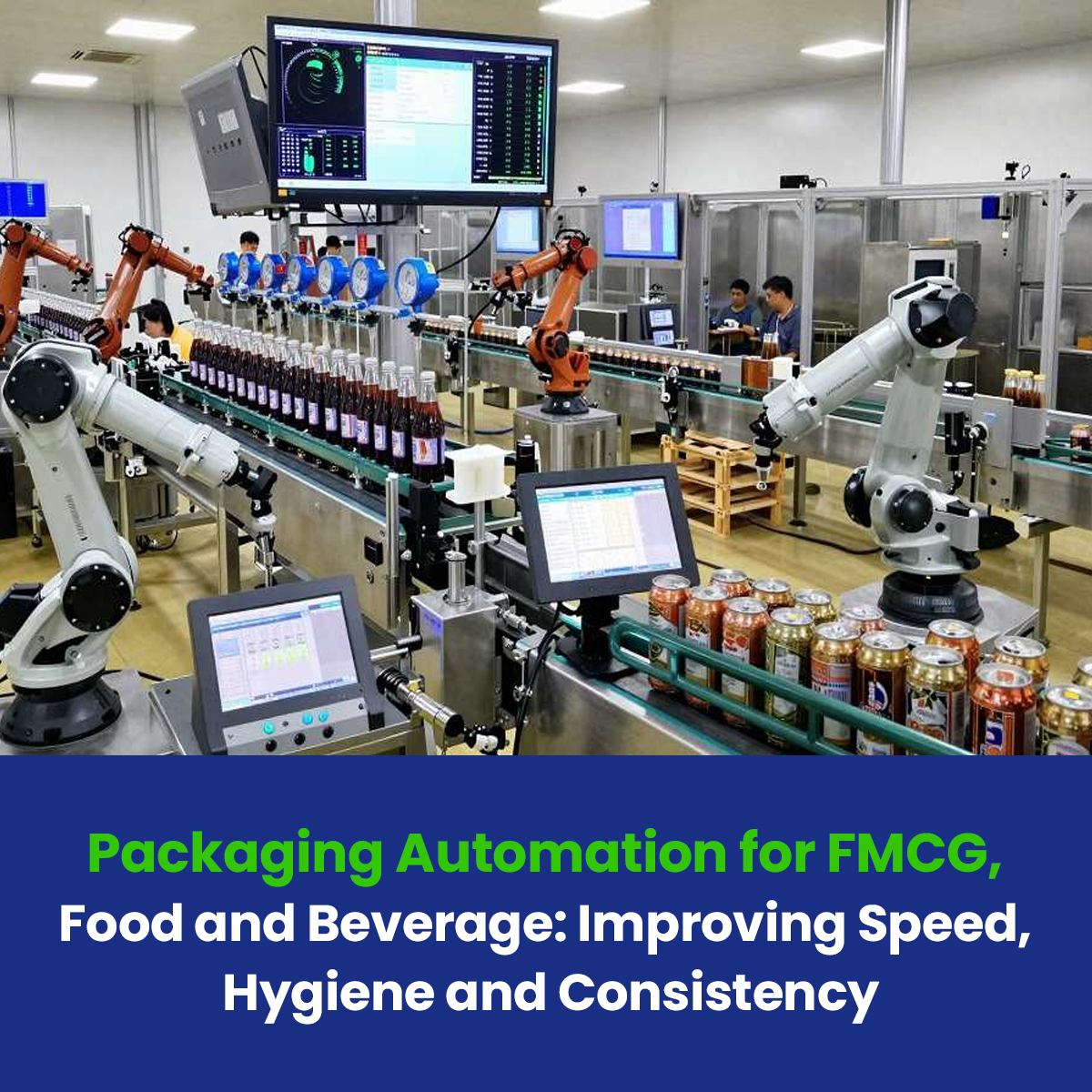
FMCG, food, and beverage manufacturers operate under a unique combination of pressures, high production volumes, strict hygiene standards, and demanding delivery timelines.
Manual packaging struggles to keep up with all three at once, often forcing manufacturers to compromise on speed, consistency, or safety. Packaging automation addresses this by bringing speed and reliability together without cutting corners on hygiene.
Here's how automation is reshaping packaging for this fast-moving sector.
High-Volume Production Requirements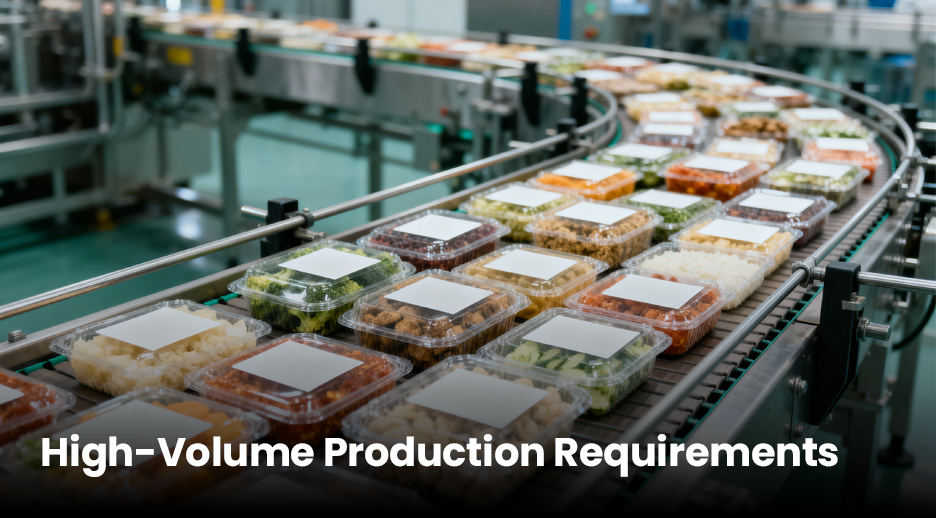
FMCG and food and beverage brands typically operate at high production volumes, with thousands of units moving through the line daily. Manual packaging simply cannot scale to match this pace without a proportional increase in workforce, which drives up costs and introduces variability.
Automated packaging systems are built to handle continuous, high-speed output, allowing manufacturers to keep pace with production volumes without the constant pressure of scaling manual labour up and down with demand.
Consistent Sealing and Packing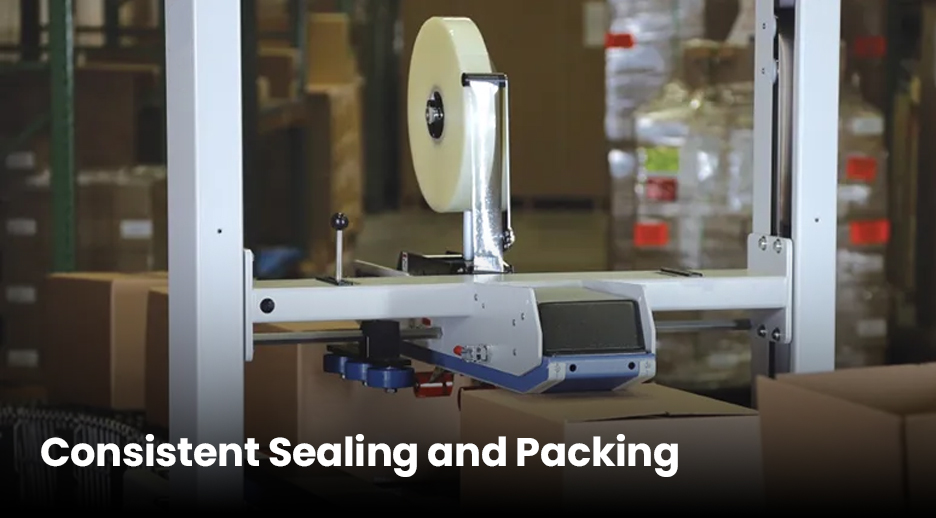
In food and beverage packaging, a weak seal or an improperly closed carton isn't just a quality issue; it's a safety and shelf-life concern. Manual sealing is prone to inconsistency, with variations in pressure, alignment, and technique from one worker to the next.
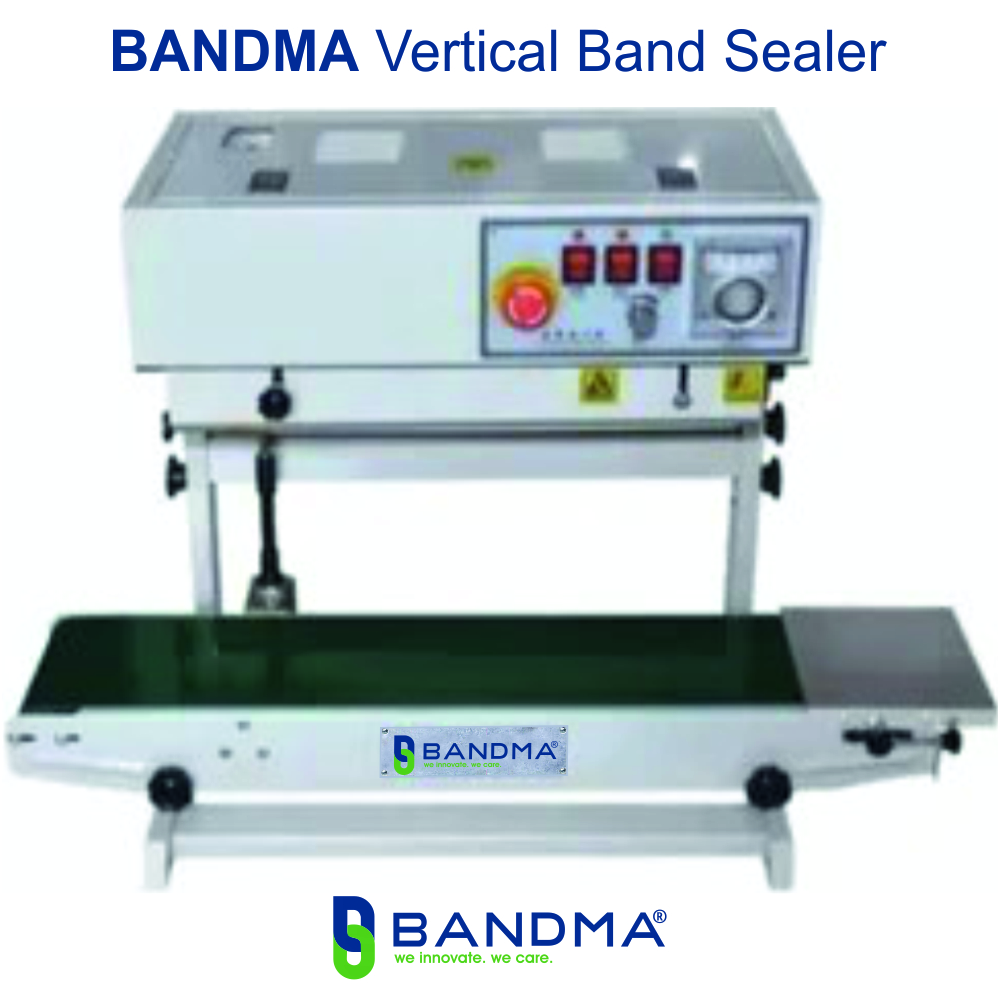
Automated sealing and packing equipment applies the same precise pressure and placement to every unit, ensuring products stay properly sealed and protected from contamination or spoilage throughout their shelf life.
Reduced Manual Handling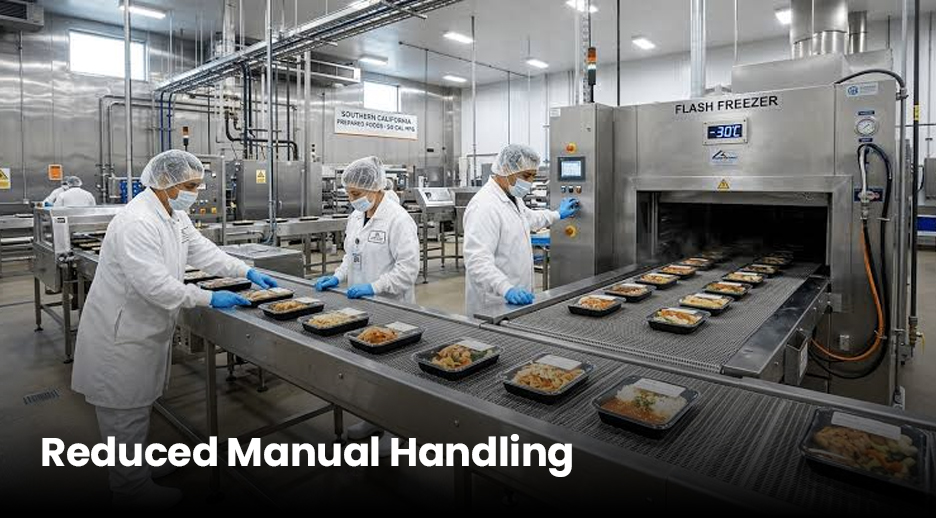
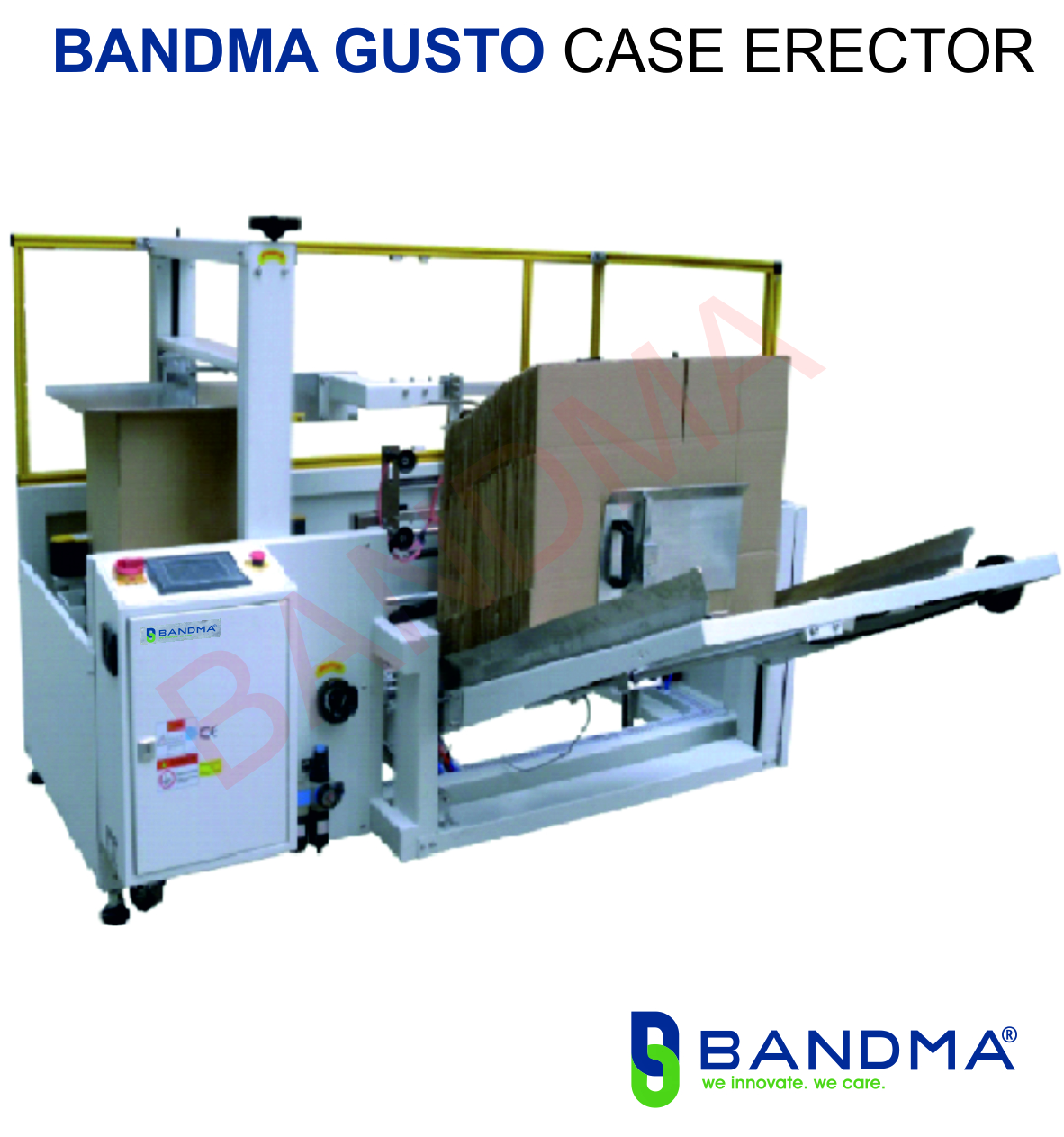
Frequent manual handling increases the risk of contamination in food and beverage packaging, along with the physical strain that comes with repetitive lifting, folding, and sealing. This is a particular concern in facilities that need to maintain strict hygiene protocols.
Automation reduces the number of touchpoints between workers and products during packaging, supporting better hygiene standards while also reducing the physical workload on staff.
Faster Dispatch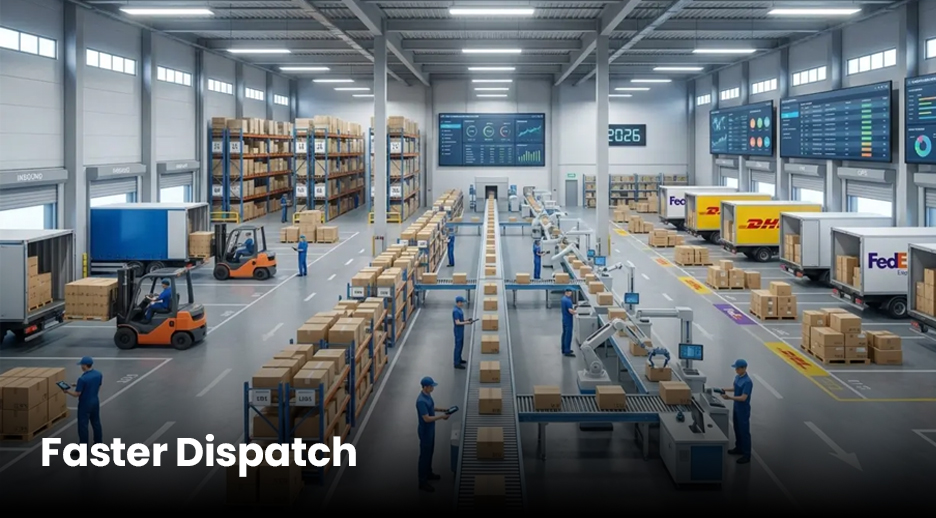
For FMCG, food, and beverage products, especially those with limited shelf life, speed from production to dispatch is critical.
Any delay in packaging directly pushes back delivery timelines, which can affect product freshness and shelf availability.
Automated packaging lines move products through packing and sealing quickly and consistently, helping manufacturers get goods dispatched faster and reducing the risk of delays affecting product quality on arrival.
Applications of Carton Taping, Strapping and Wrapping Machines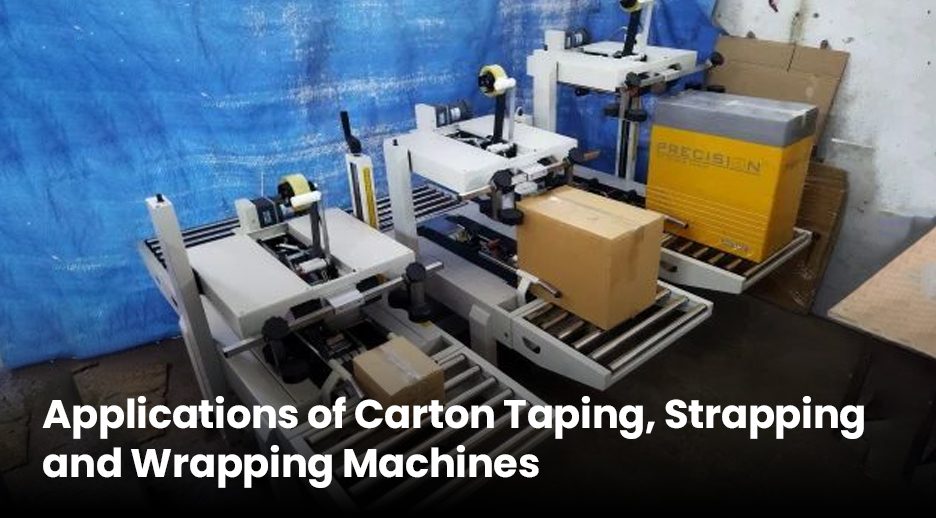
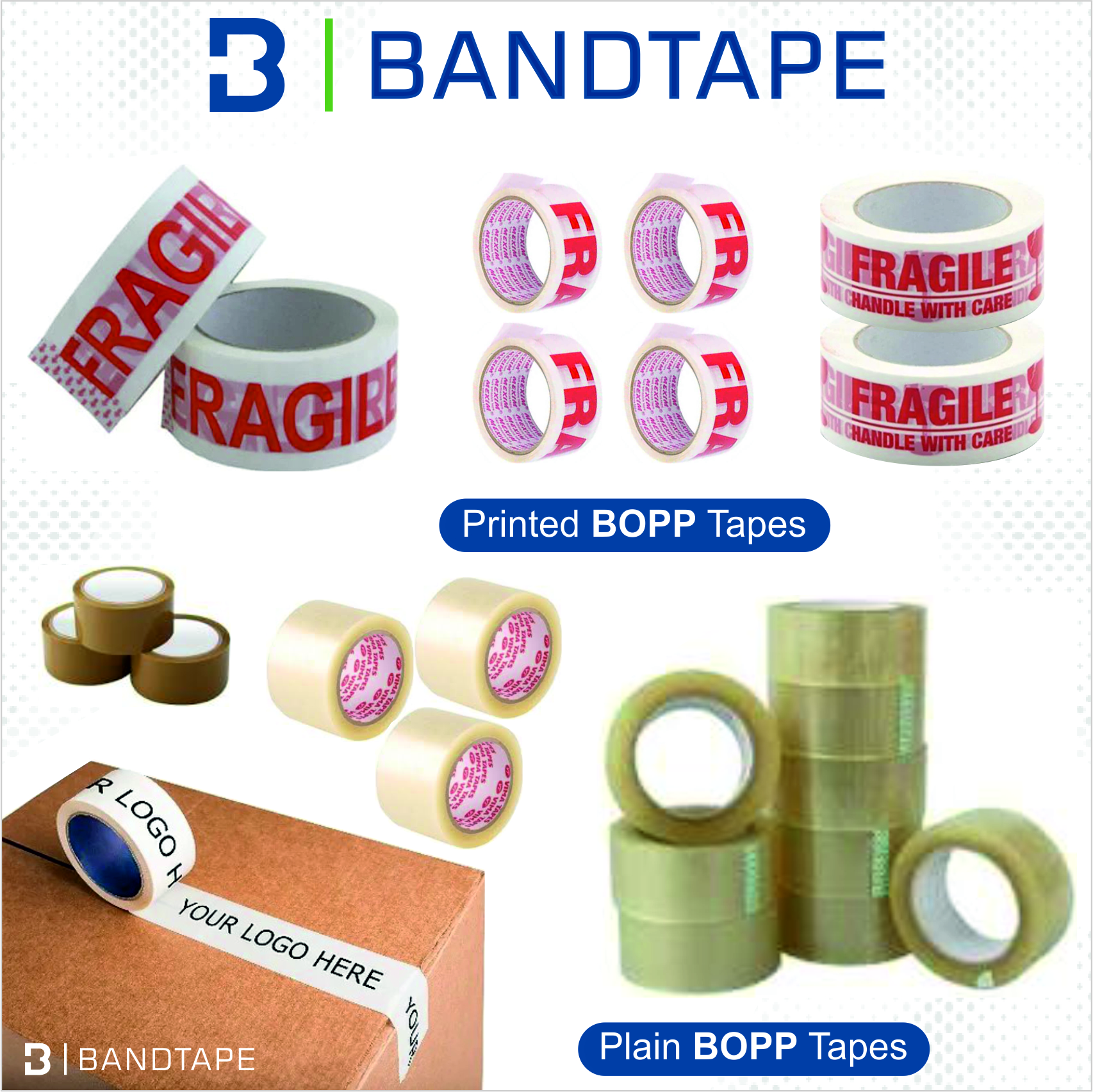
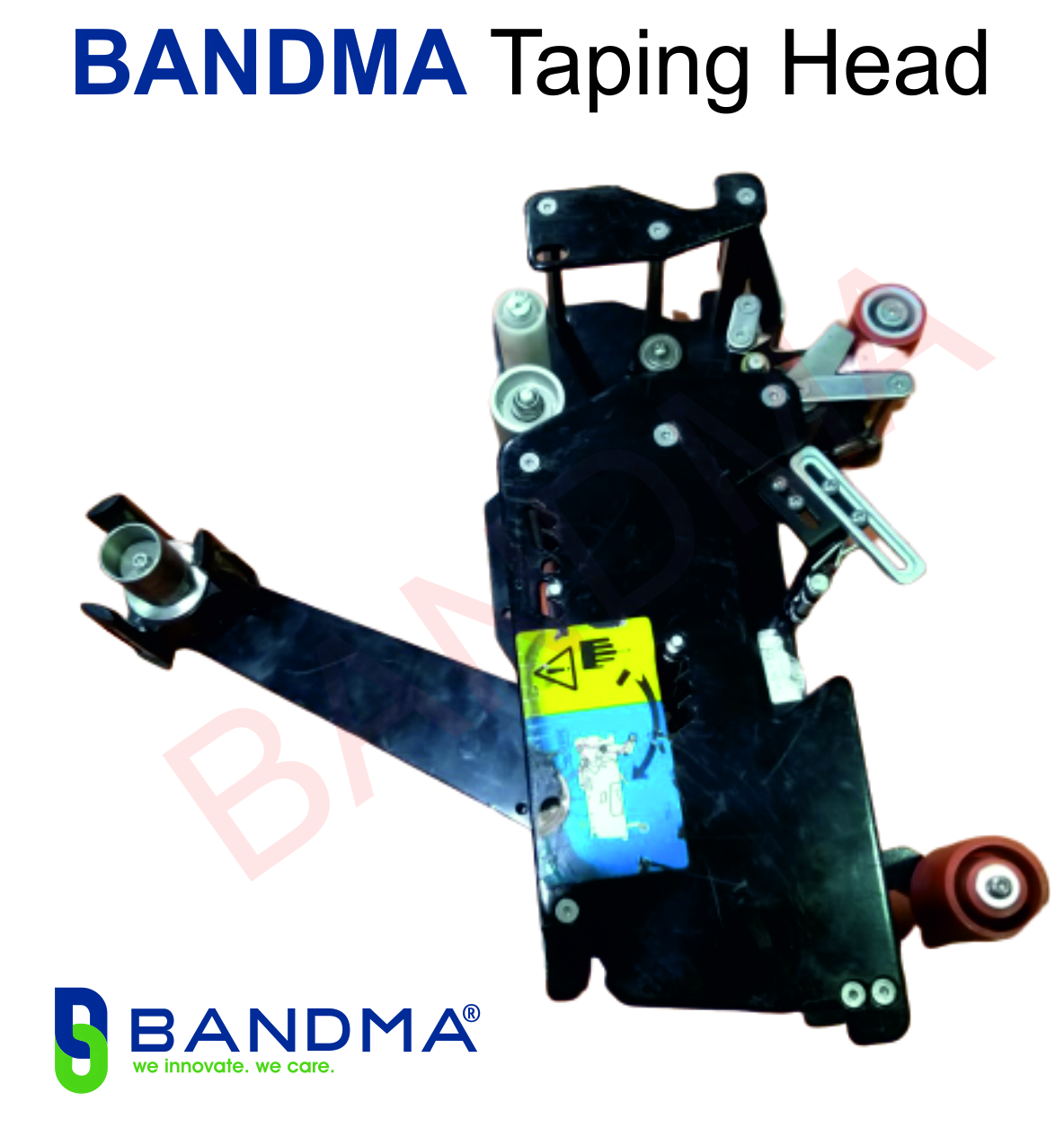
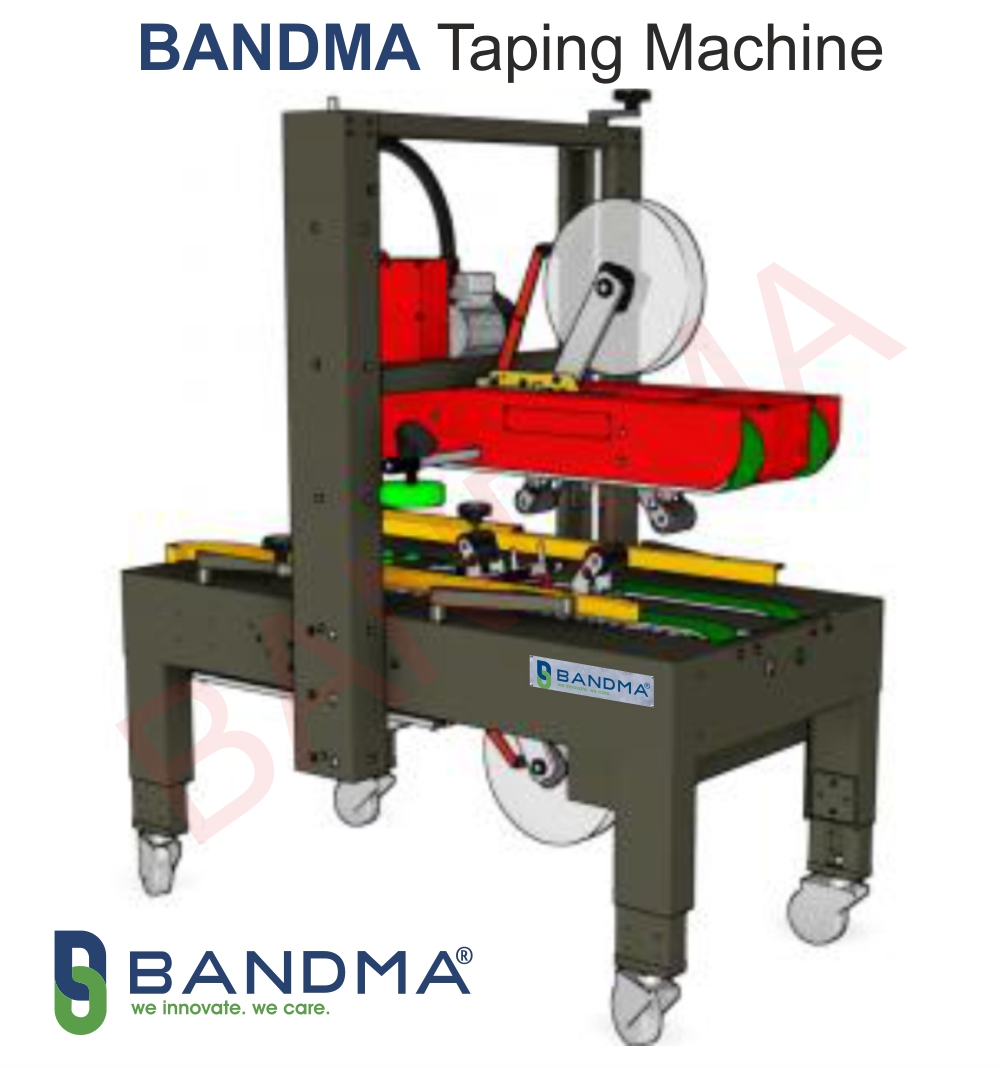
These machines play specific roles in supporting FMCG and food and beverage packaging lines. Carton taping machines seal cartons quickly and uniformly, which is essential for maintaining product freshness and preventing tampering during transit.
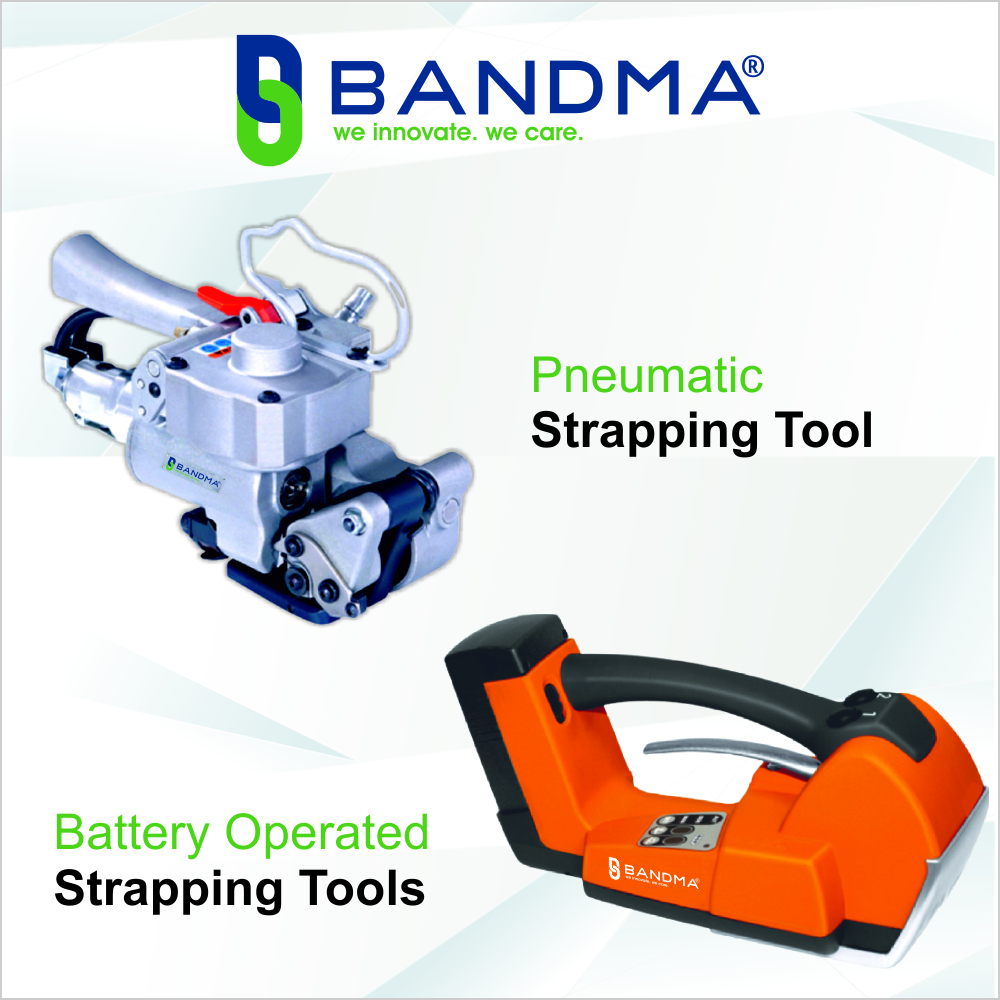
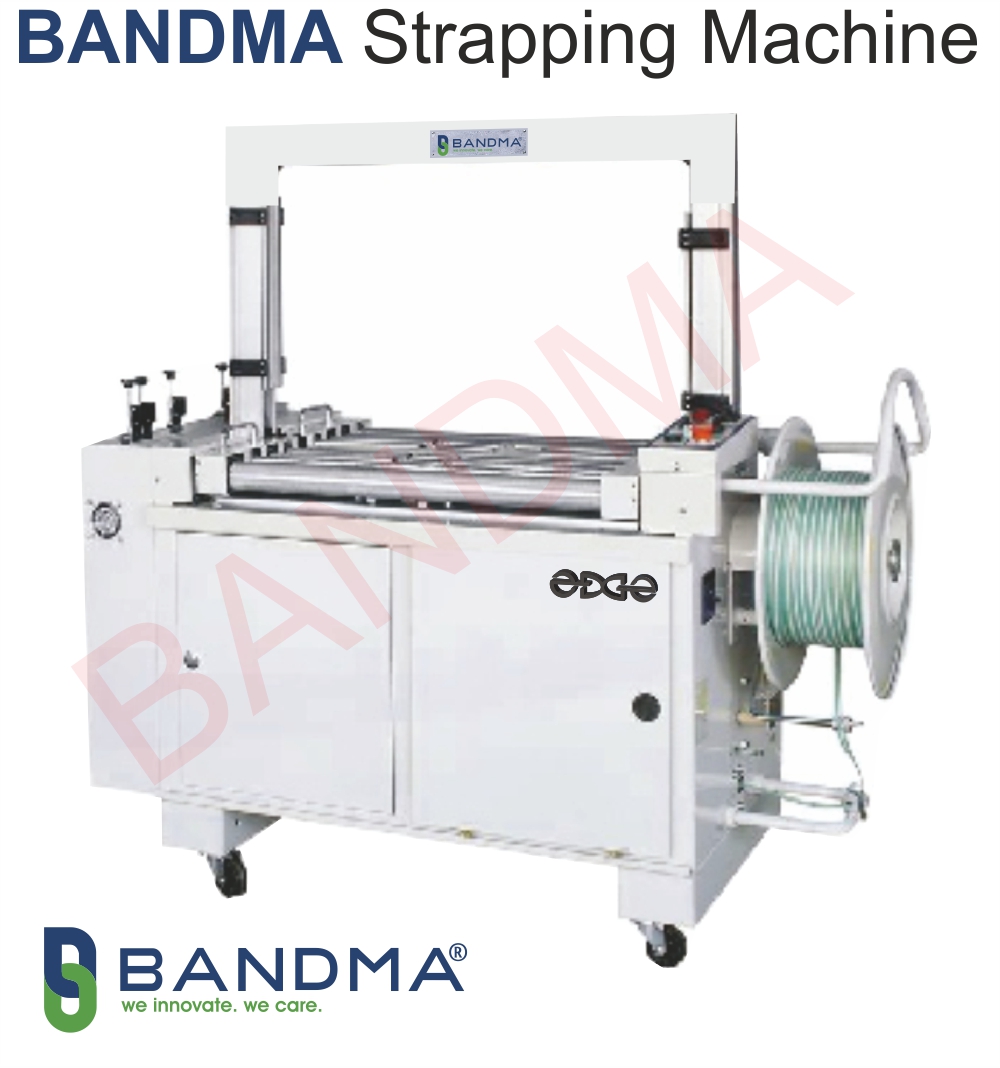
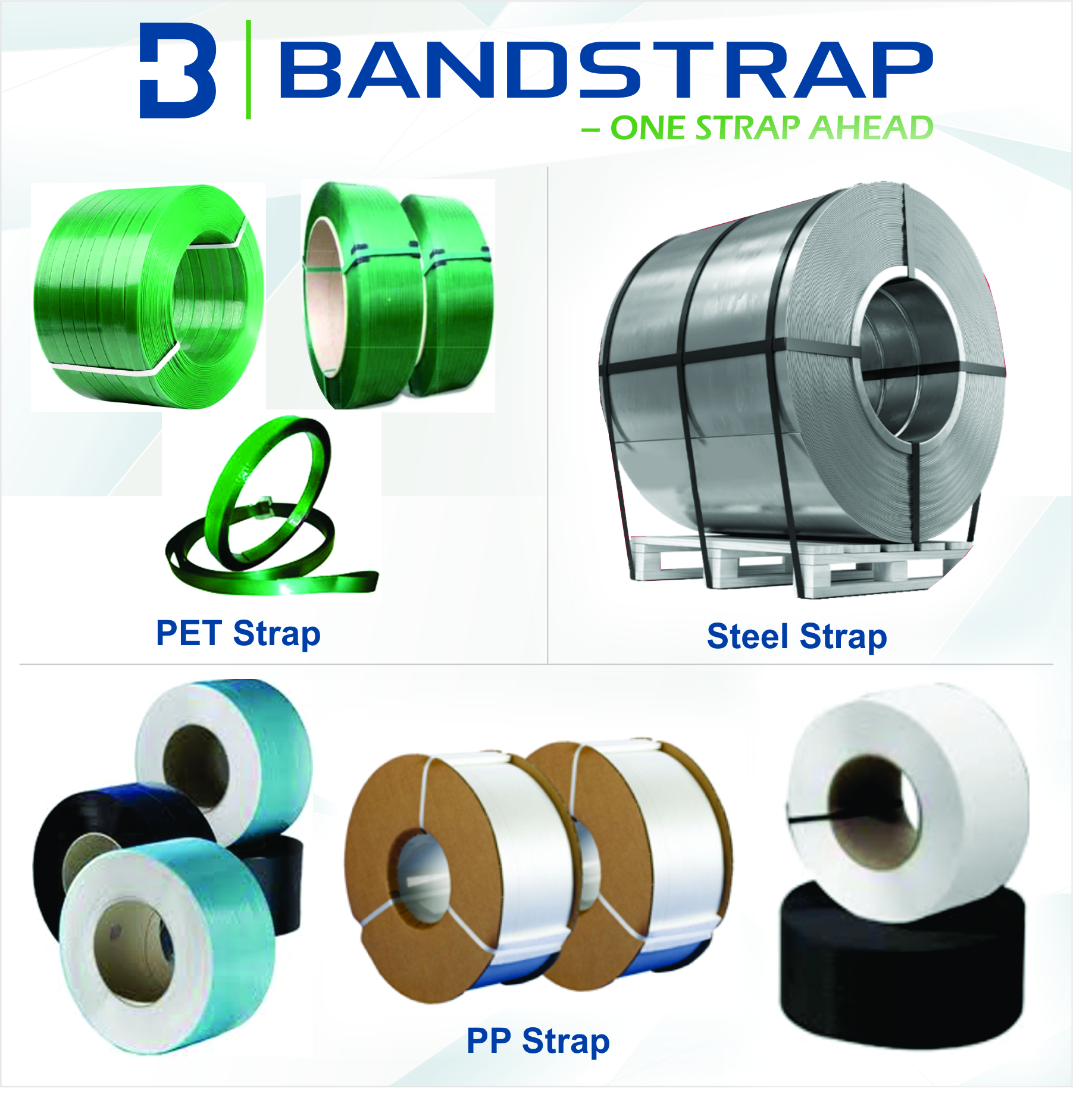
Strapping machines secure grouped cartons or bulk packs, keeping them stable during loading, stacking, and transportation.
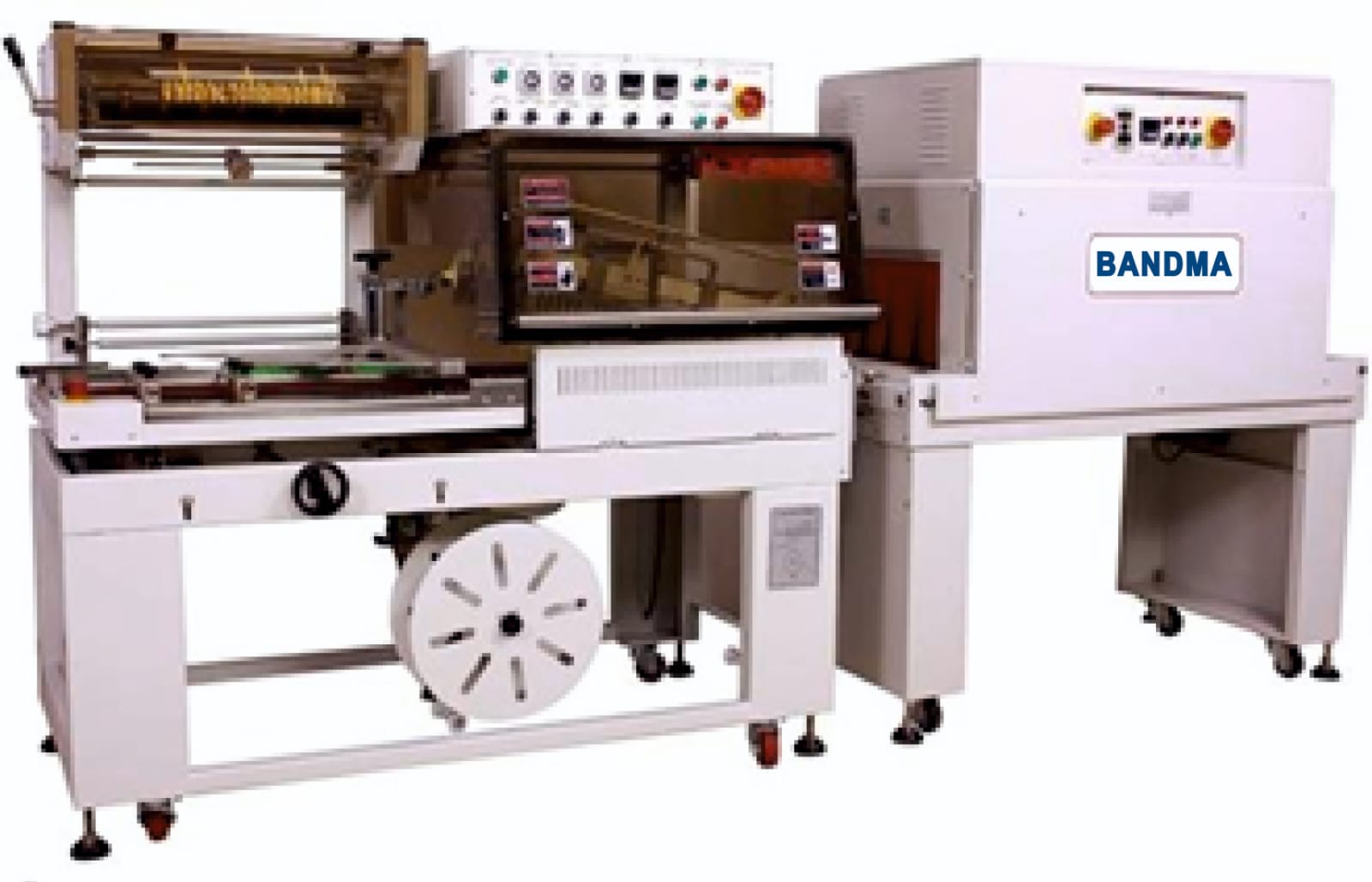
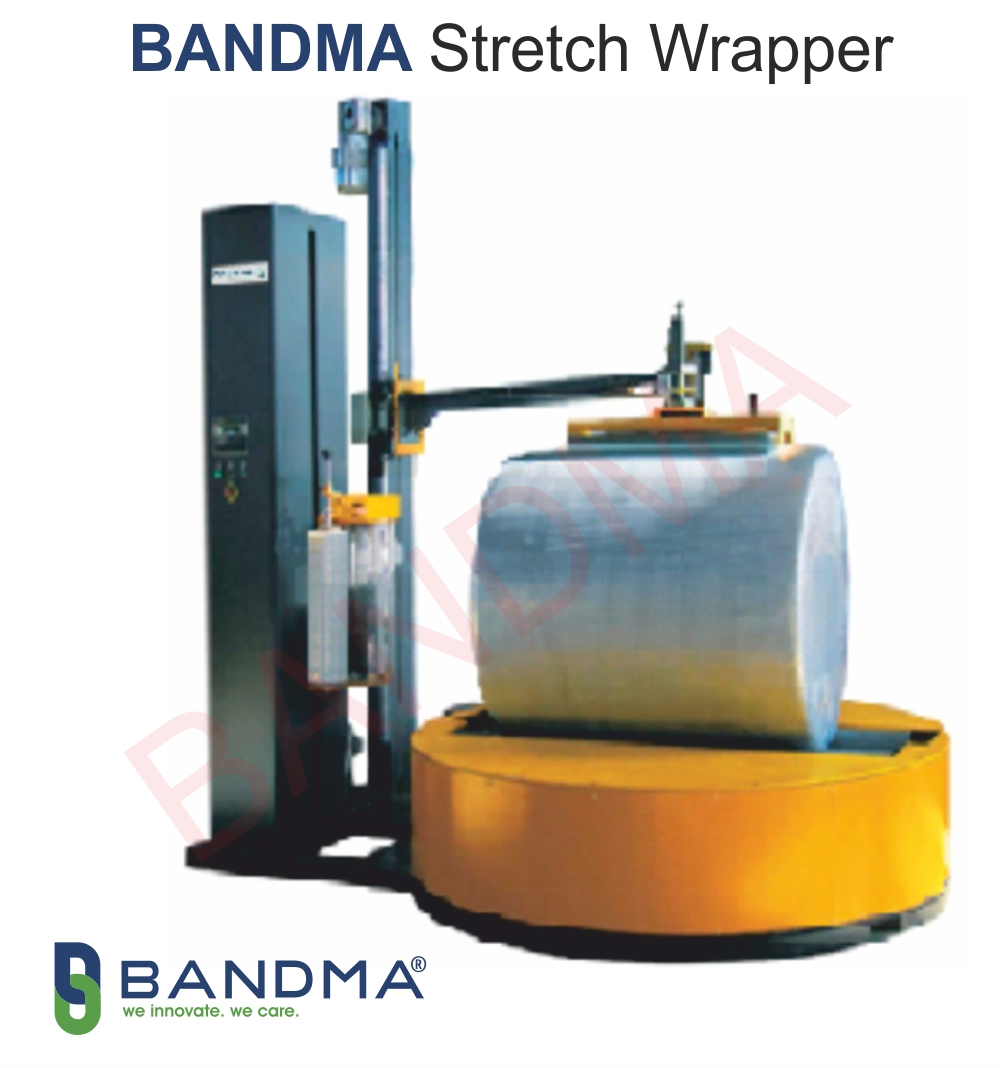
Stretch wrapping machines secure full pallets of packaged goods, protecting products from dust, moisture, and handling damage as they move through the supply chain. Together, these machines create a packaging process that's fast, hygienic, and built to handle the volume this sector demands.
Conclusion
FMCG, food, and beverage manufacturers can't afford to compromise on speed, hygiene, or consistency, and manual packaging makes it difficult to deliver on all three at scale. Packaging automation solves this by keeping pace with high production volumes, ensuring reliable sealing, minimising manual handling, and getting products dispatched faster.
For manufacturers in this sector, automation isn't just about efficiency; it's about protecting product quality and safety at every stage of the packaging process.