


















Buyers, regulators and consumers are paying closer attention to how products are packed. Using less material and wasting less also reduces cost, which makes sustainable packaging good for both the environment and the business.
For Indian manufacturers, the pressure is growing from every direction. Export buyers ask for responsible packaging, domestic customers expect less plastic, and rising material prices make waste harder to ignore. Starting early with simple, measurable changes helps a factory stay competitive and ready for tighter expectations ahead.
Cartons That Fit Perfectly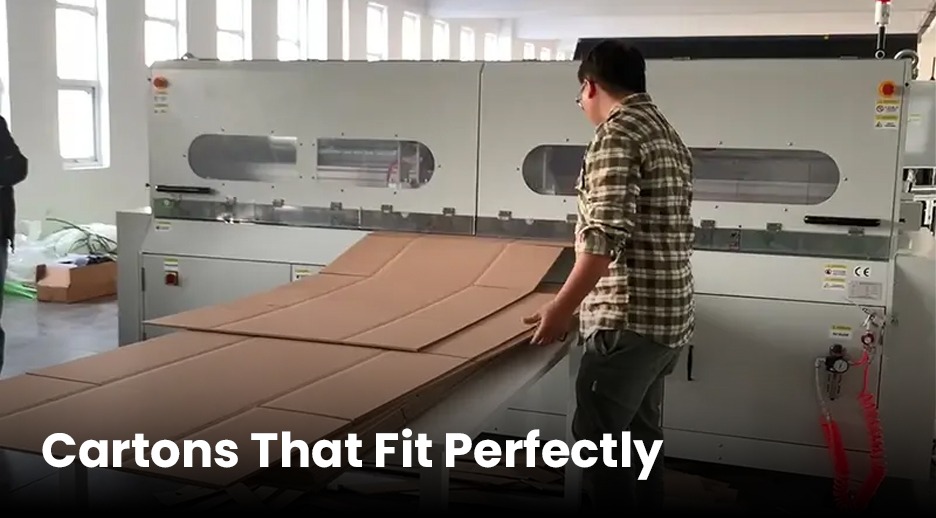
Oversized cartons waste board, add weight and need extra filler to hold products in place. Choosing sizes that fit the product closely reduces material use and shipping volume, and lowers freight cost on every dispatch. Smaller, lighter cartons also let more units fit into each truck or container, which cuts the number of trips needed to move the same quantity of goods.
A snug fit also gives products firmer support, which cuts the chance of damage and the waste that follows. Reviewing carton sizes against actual product dimensions is one of the quickest sustainability wins available. Even a few millimetres saved on each side add up to a large saving in board across thousands of cartons.
Smarter Film, Less Plastic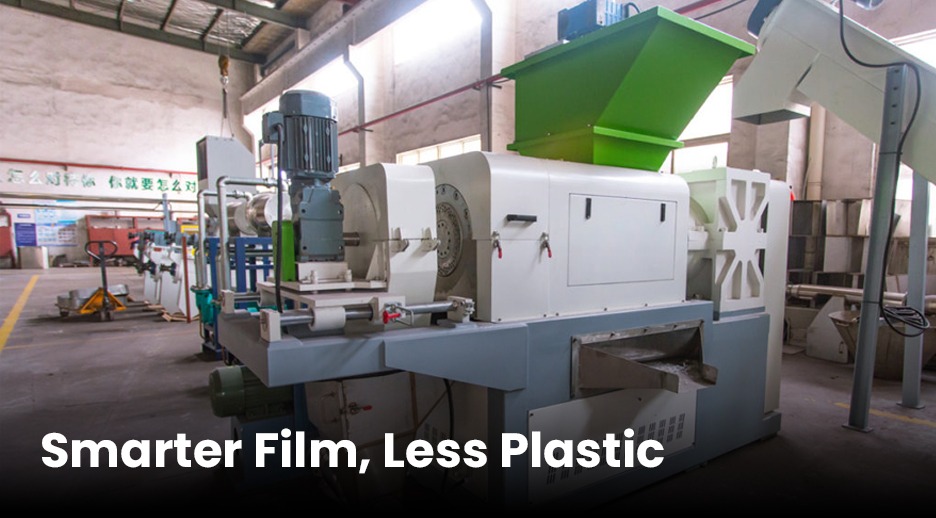
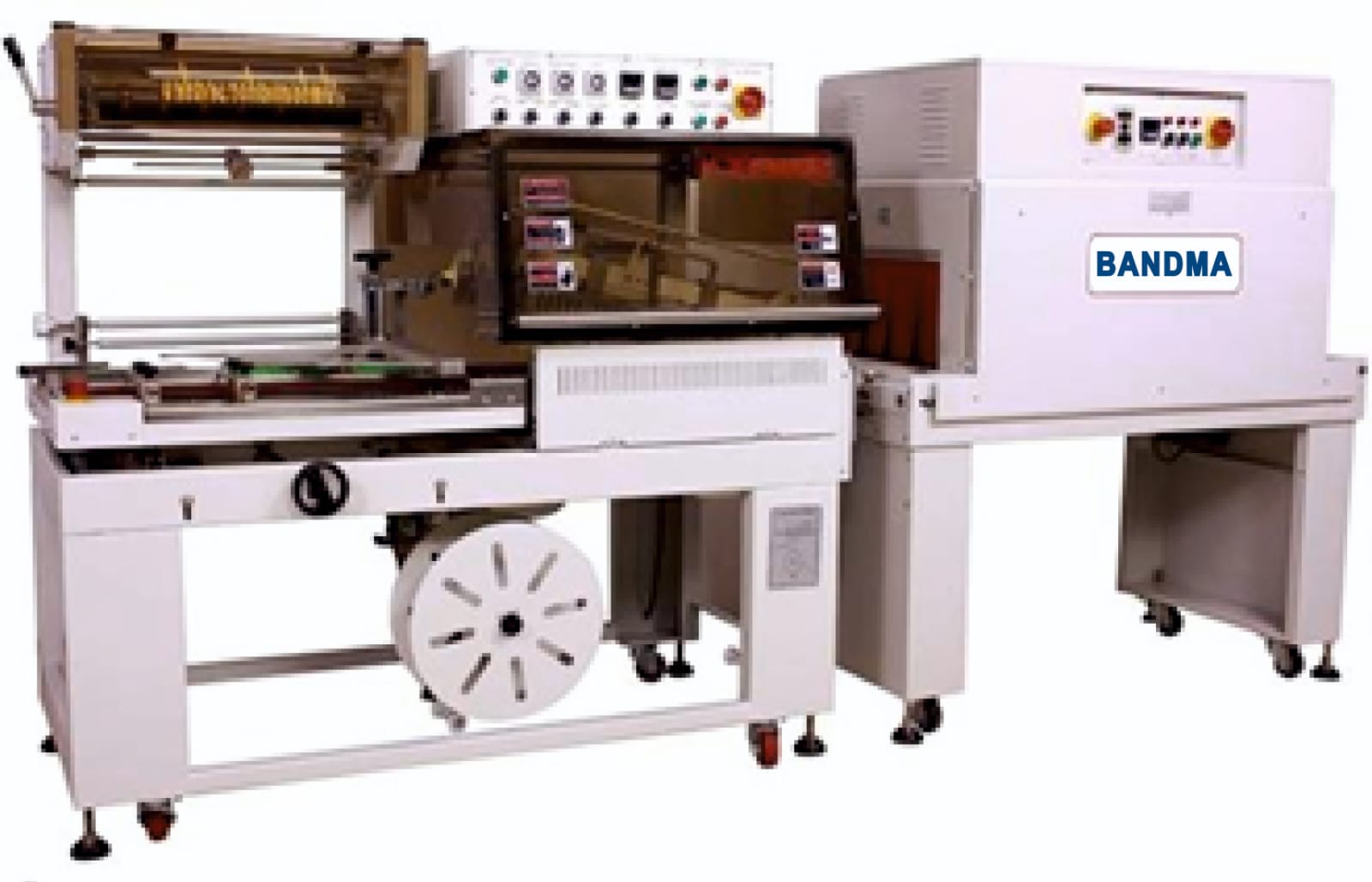
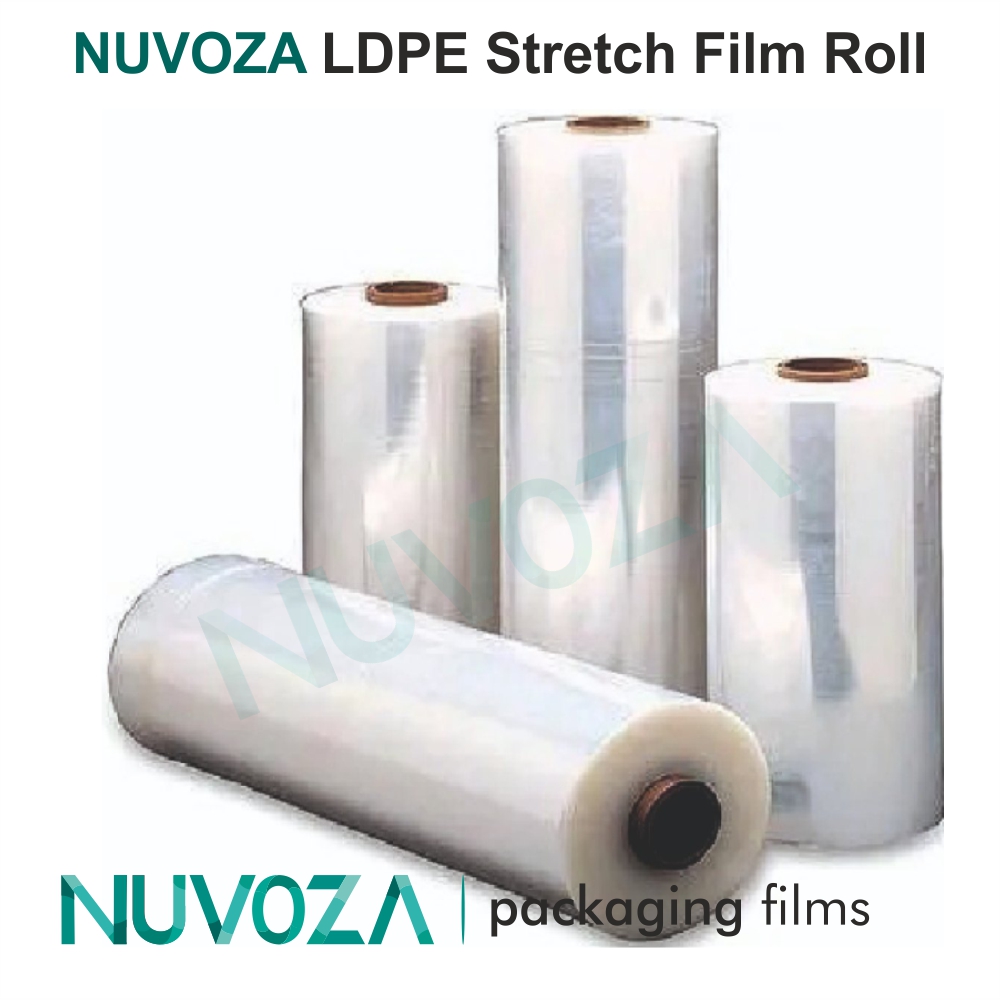
Pre-stretch film and machine wrapping allow each roll to cover more pallets, using less plastic for the same holding force. Correct wrapping patterns also avoid over-wrapping, one of the most common sources of film waste. Many factories wrap far more layers than a load needs, simply because no one has checked how much film each pallet actually uses.
Measuring film use per pallet reveals easy savings quickly. Even a small reduction per pallet adds up to a large saving in plastic and cost over a year of steady dispatches. Setting a standard wrapping pattern for each load type keeps results consistent across shifts and operators.
Precise Strap and Tape Use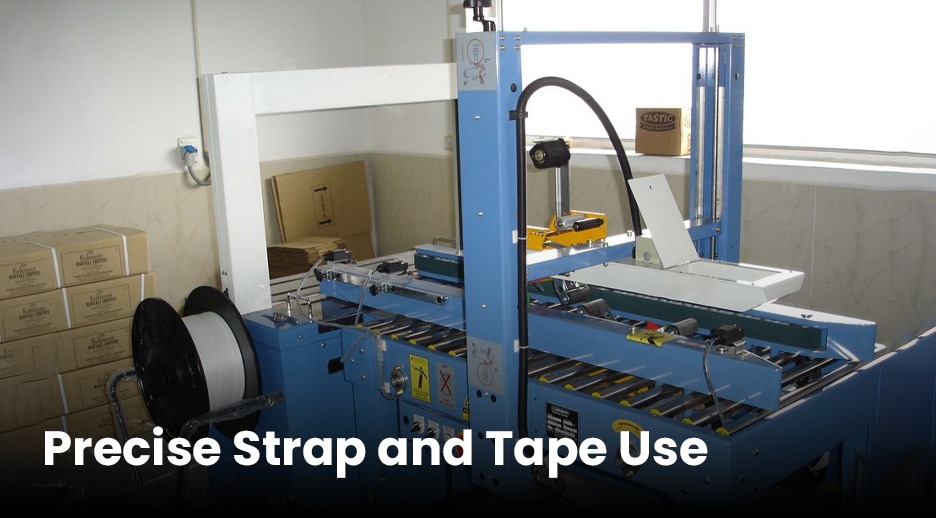
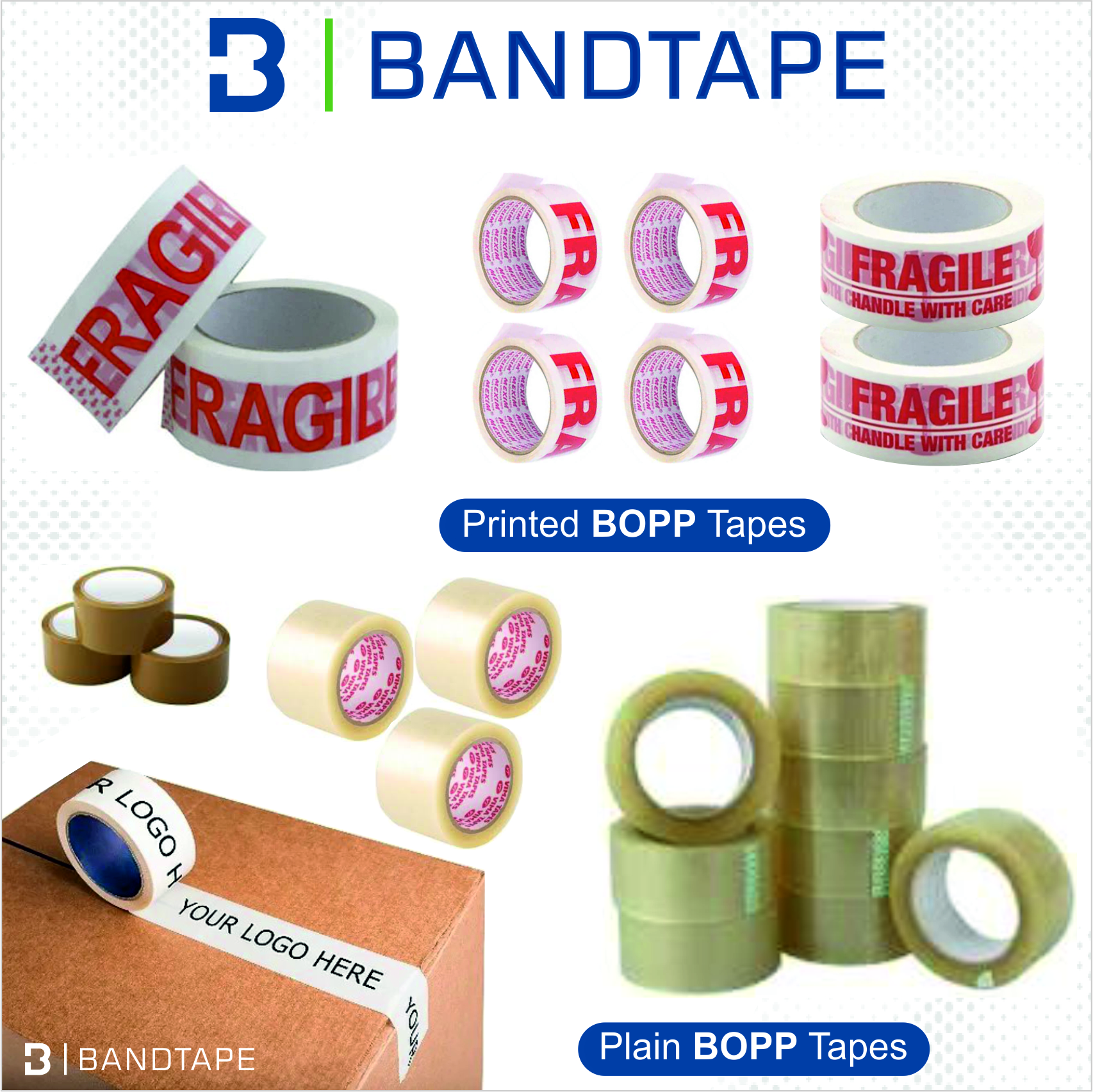
Automatic strapping machines apply the right strap length and tension to each package, preventing the extra material that manual strapping often uses. Taping machines place tape in exact lengths and positions, avoiding the overlap of hand application. Both machines repeat the same measured action on every pack, so material use stays predictable from the first carton of the shift to the last.
Small savings per pack look minor on their own. Across thousands of packages every week, they turn into a noticeable cut in both material consumption and packaging cost. Fewer failed seals and loose straps also mean less re-packing, which saves both material and labour time.
Choosing Greener Material Options
Recyclable and mono-material options make recovery easier after use. Paper-based edge protectors and corner boards protect loads well while remaining recyclable, and thinner films with strong performance reduce plastic content without weakening protection. Switching even a few high-volume packaging items to better materials can noticeably reduce the plastic a factory sends out every month.
Reusable crates, pallets and totes suit closed supply chains where packaging returns to the factory. They reduce single-use waste and can lower long-term costs when managed carefully. A simple return and inspection routine keeps them in good condition and makes the savings last across many trips.
Prevent Damage, Measure Progress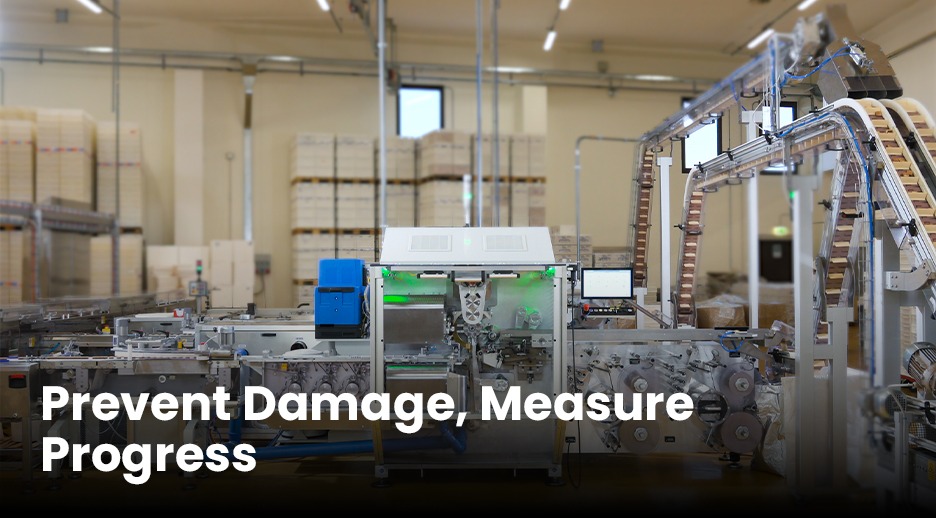
A damaged product wastes the product itself, all the packaging around it and the transport used to deliver it. Strong pallets, secure strapping and proper wrapping reduce damage and returns, often the biggest sustainability gain available. Every shipment that arrives intact saves the cost and the resources of making, packing and sending a replacement.
Track material use per unit, film per pallet, strap per bundle and damage rates. Regular review shows where waste is highest, and sharing results builds a culture of steady improvement. Clear numbers also make it easier to show buyers and management the real impact of each change.
Conclusion
Sustainable packaging comes from many small decisions rather than one dramatic change. Right-sized cartons, efficient film use, precise strapping and better materials each reduce waste and cost together.
Manufacturers who measure results and keep refining their processes build packaging that protects products, supports the environment and strengthens their business.