









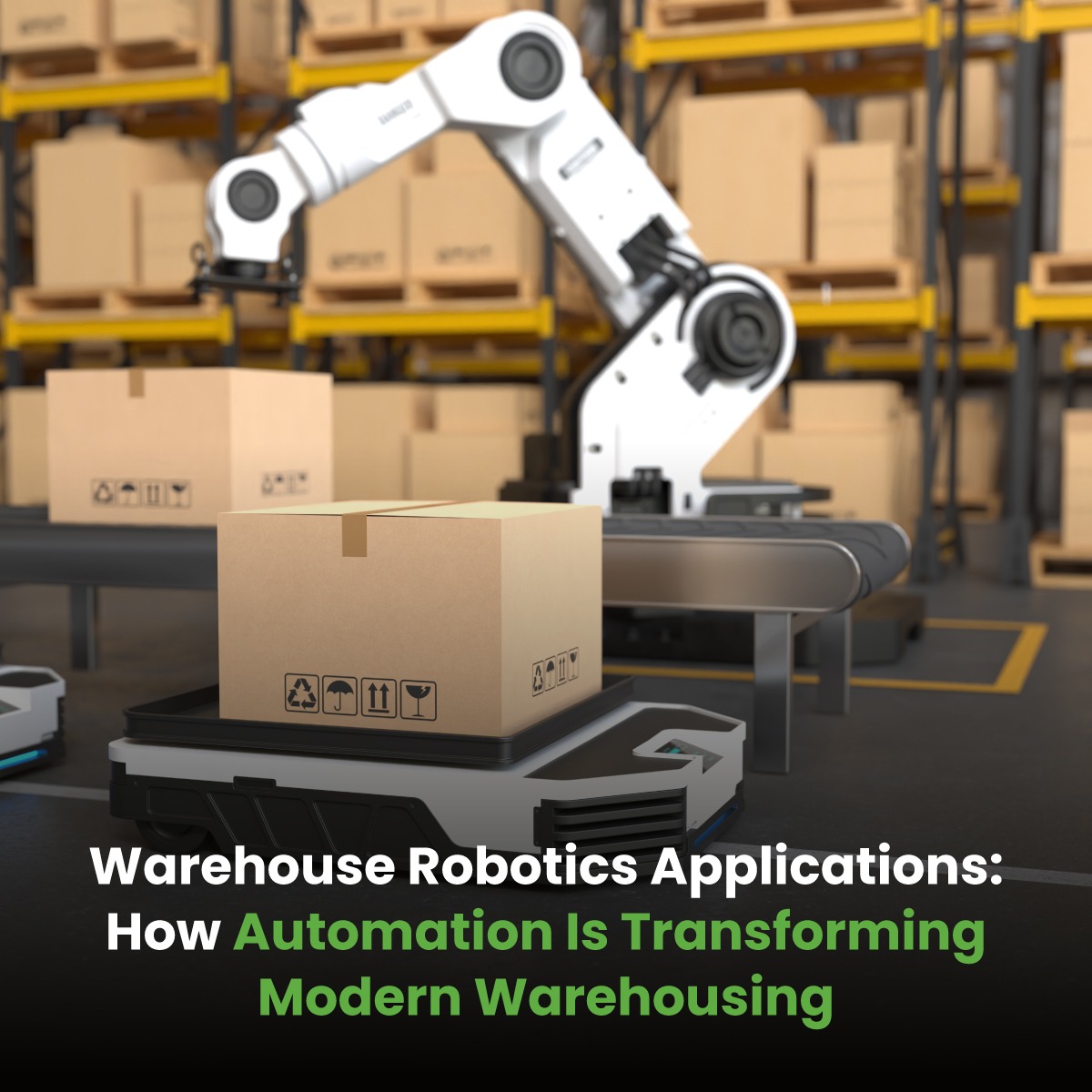
Warehousing has changed dramatically over the last decade. What was once a labor-intensive operation dependent on manual picking, lifting, and movement is now rapidly evolving into a highly automated, data-driven environment. At the center of this transformation are warehouse robotics—machines designed to handle repetitive tasks faster, safer, and with greater accuracy than traditional methods.
As customer expectations for faster deliveries and error-free shipments grow, warehouse automation is no longer optional. Robotics is becoming a strategic investment for companies looking to improve efficiency, reduce operating costs, and stay competitive in modern supply chains.
What Are Warehouse Robotics?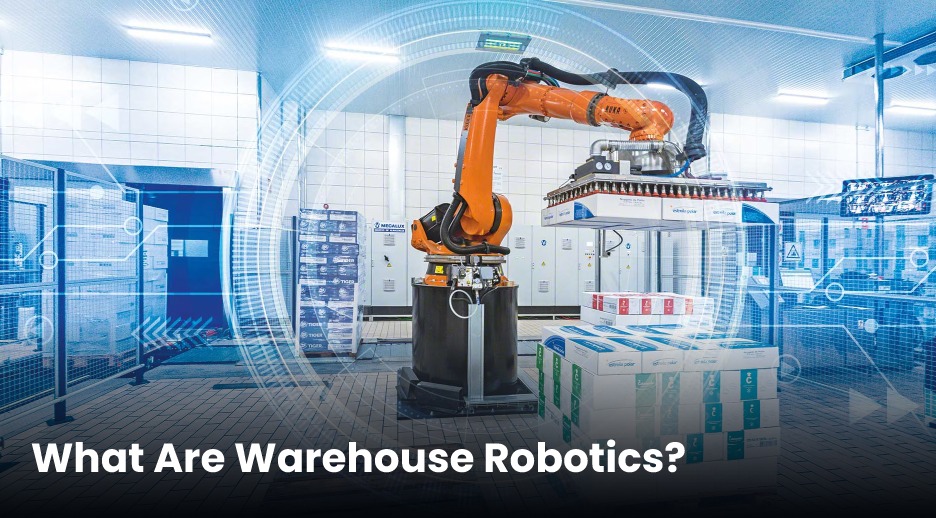
Warehouse robotics refers to the use of automated machines and robotic systems to perform tasks such as:
- Material movement
- Picking and sorting
- Palletizing and depalletizing
- Packing and packaging
- Inventory handling
These robots work either independently or alongside human workers, improving productivity while reducing physical strain and errors.
Why Warehouses Are Adopting Robotics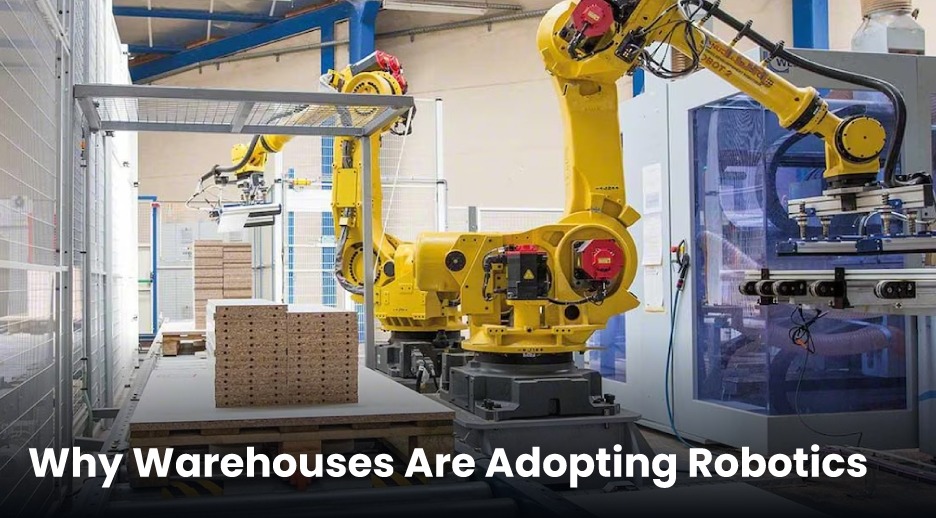
Modern warehouses face multiple challenges:
- Rising labor costs
- Labor shortages
- High order volumes
- Pressure for faster turnaround
- Increased safety requirements
Robotics directly addresses these challenges by enabling warehouses to operate with consistency, speed, and accuracy—24 hours a day if needed.
Key Warehouse Robotics Applications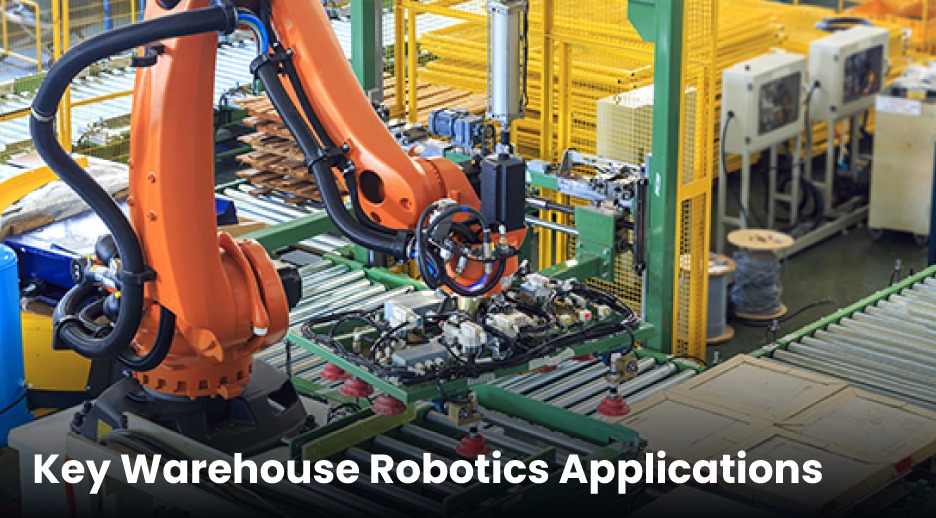
1. Automated Guided Vehicles (AGVs)
AGVs are mobile robots that transport goods across warehouse floors using sensors, magnetic paths, or laser guidance.
Applications include:
- Moving pallets between storage and shipping areas
- Feeding materials to production lines
- Replacing forklifts in repetitive routes
Benefits:
- Reduced forklift traffic
- Improved safety
- Predictable and consistent movement
2. Autonomous Mobile Robots (AMRs)
Unlike AGVs, AMRs navigate dynamically and adapt to changing layouts.
Used for:
- Order picking
- Tote transportation
- Collaborative work with humans
Advantages:
- Flexible deployment
- Minimal infrastructure changes
- Scalable operations
AMRs are especially useful in fast-moving e-commerce warehouses.
3. Robotic Picking Systems
Robotic arms equipped with vision systems and grippers are now capable of picking individual items from bins or conveyors.
Common uses:
- Order fulfillment
- Sorting and kitting
- Piece picking
Key benefits:
- Reduced picking errors
- High-speed operations
- Consistent accuracy
These systems are ideal where speed and precision are critical.
4. Robotic Palletizing and Depalletizing
Robotic palletizers stack cartons, bags, or cases efficiently and uniformly.
Applications include:
- End-of-line packaging
- Mixed SKU palletizing
- High-load handling
Why warehouses prefer them:
- Handles heavy loads safely
- Consistent pallet quality
- Reduced worker fatigue and injury
5. Automated Storage and Retrieval Systems (ASRS)
ASRS systems store and retrieve goods automatically using cranes, shuttles, or vertical lifts.
Best suited for:
- High-density storage
- Limited floor space
- Fast inventory access
Advantages:
- Space optimization
- Accurate inventory tracking
- Faster order processing
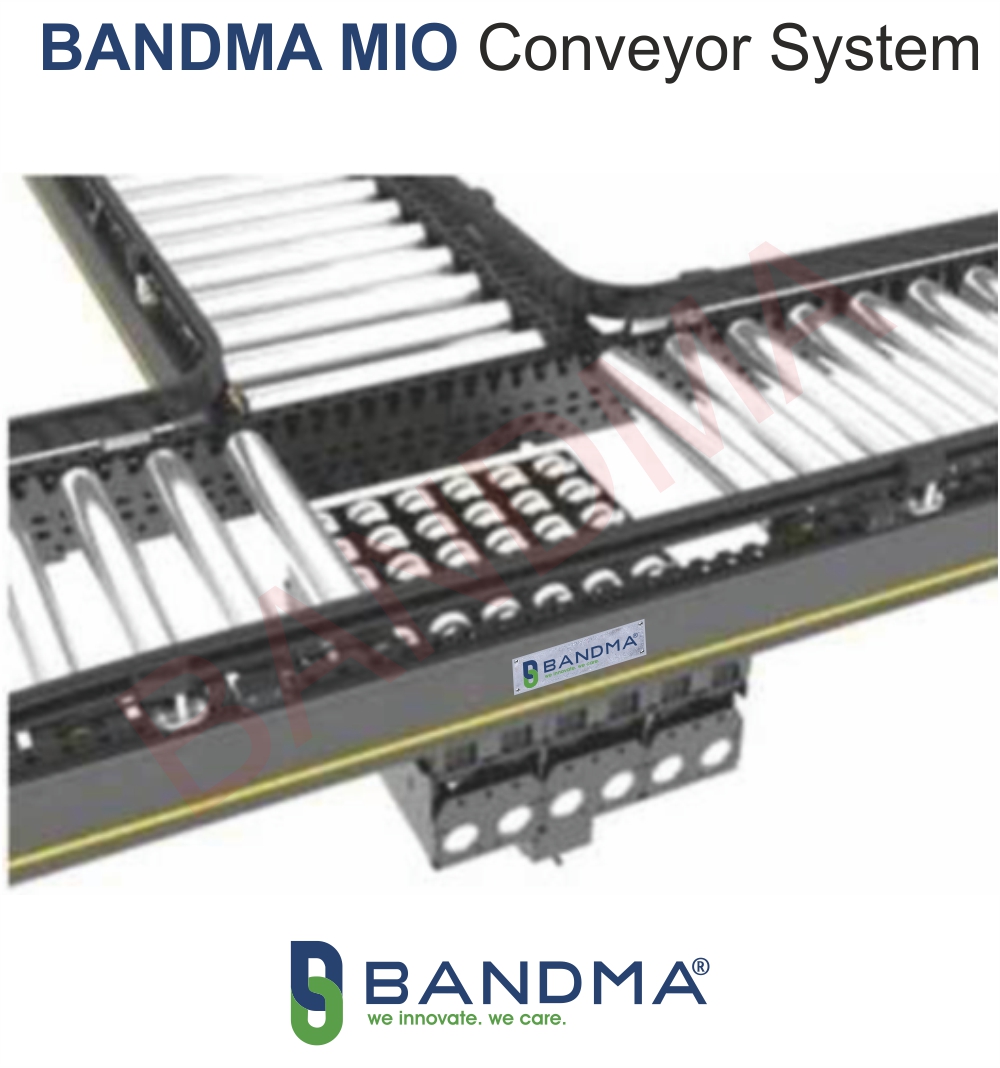
6. Conveyor and Sorting Robotics
Automated conveyors combined with robotic sorters move products efficiently through warehouses.
Used in:
- Distribution centers
- Courier hubs
- Retail fulfillment centers
These systems reduce manual handling and speed up order routing.
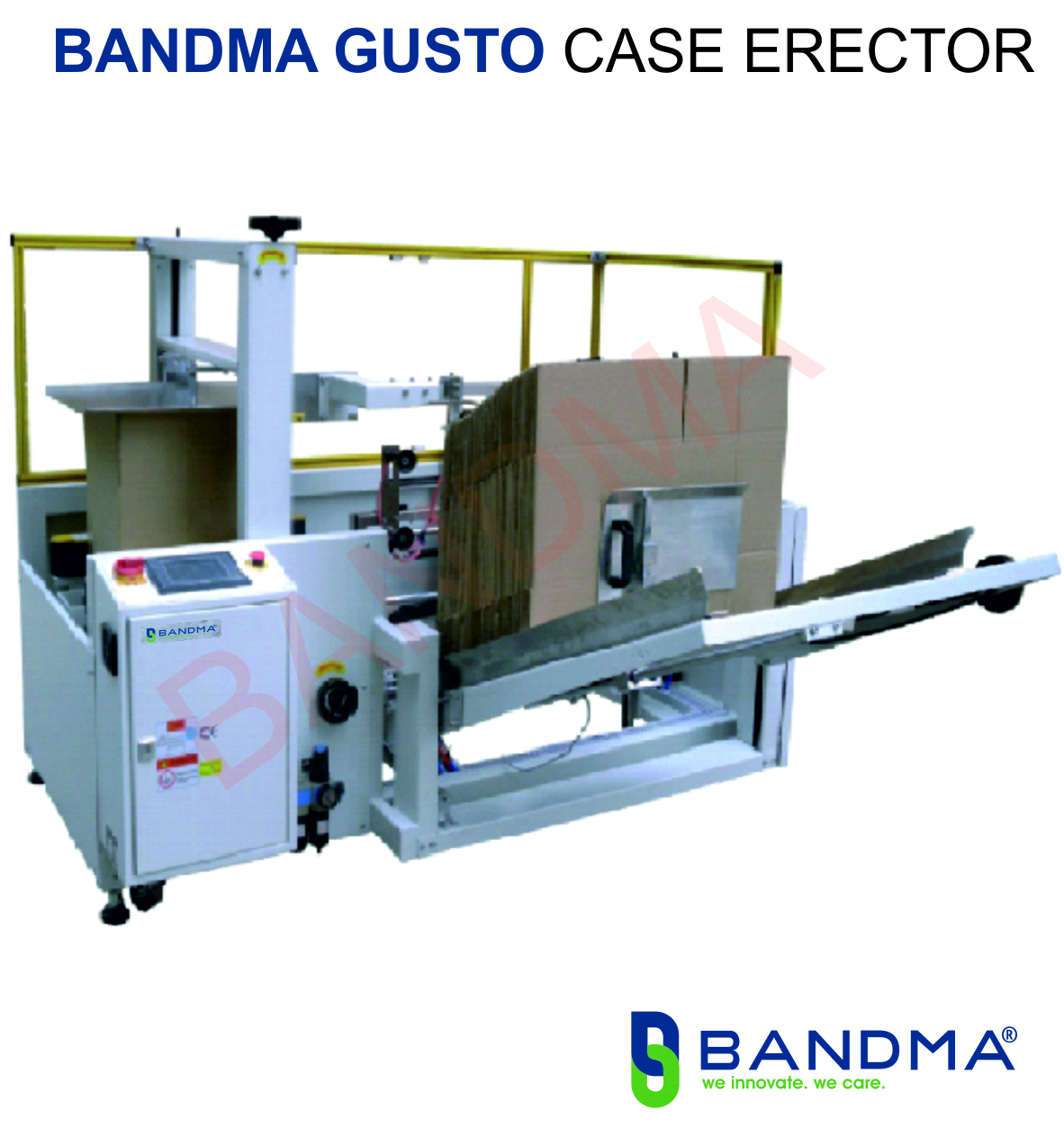
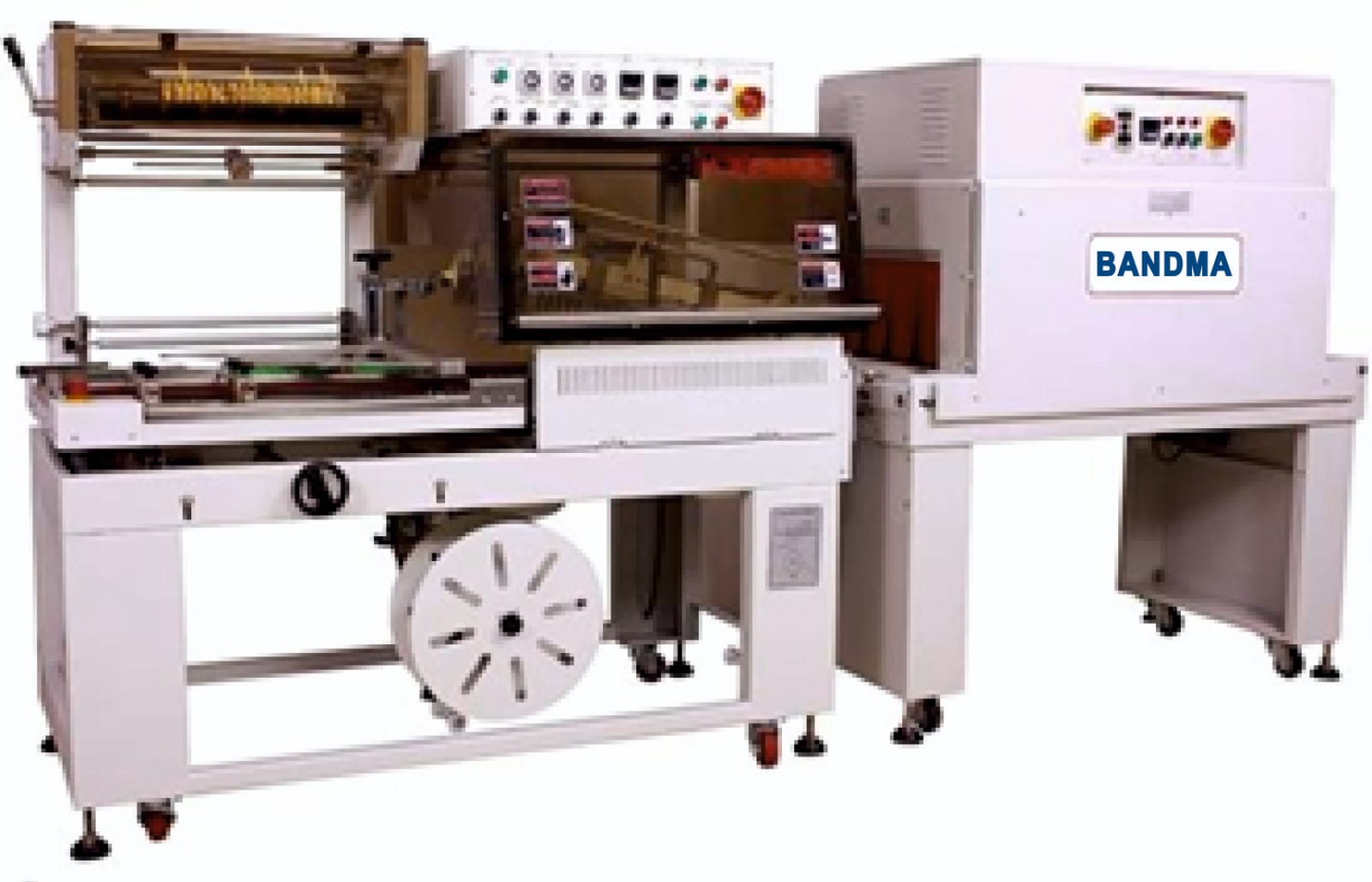
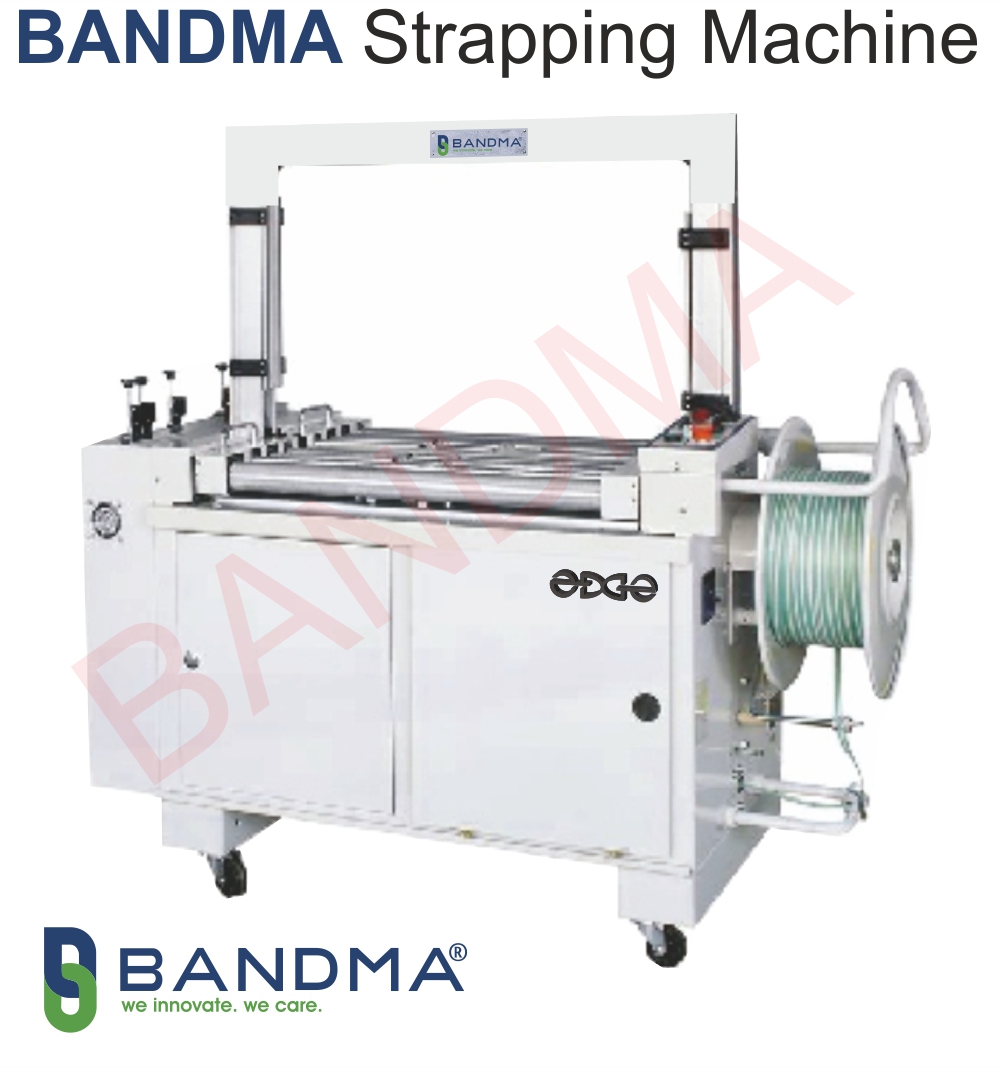
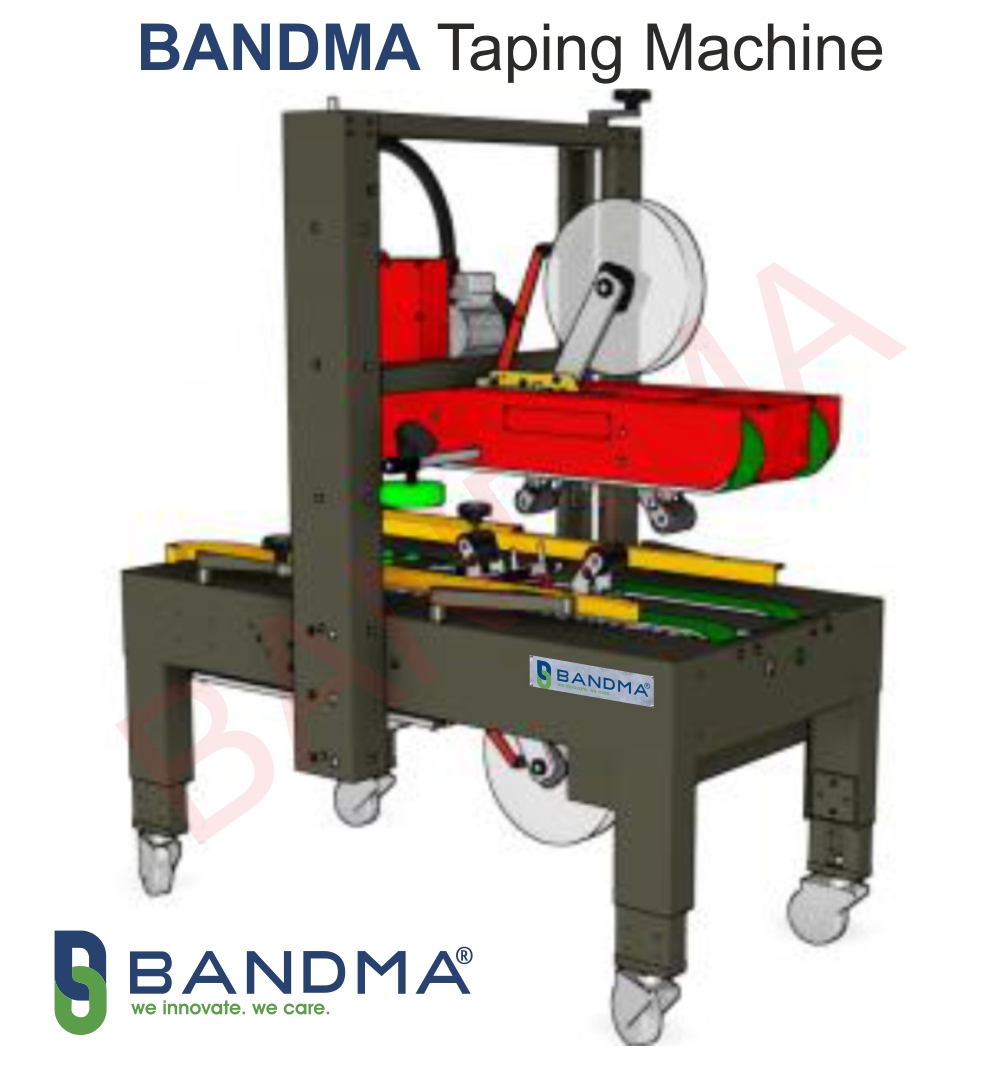
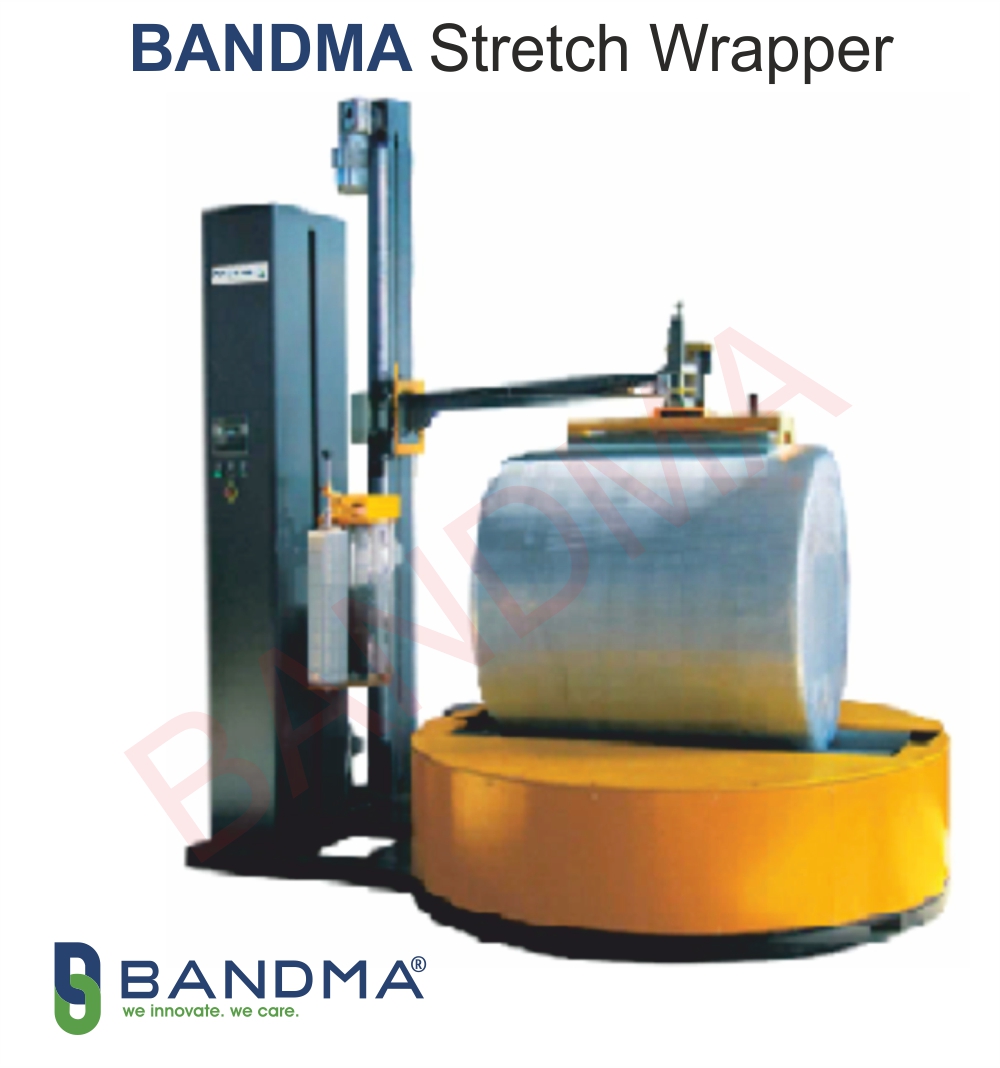
7. Packaging and Wrapping Automation
Robotic systems are now integrated into packaging lines for:
- Carton sealing
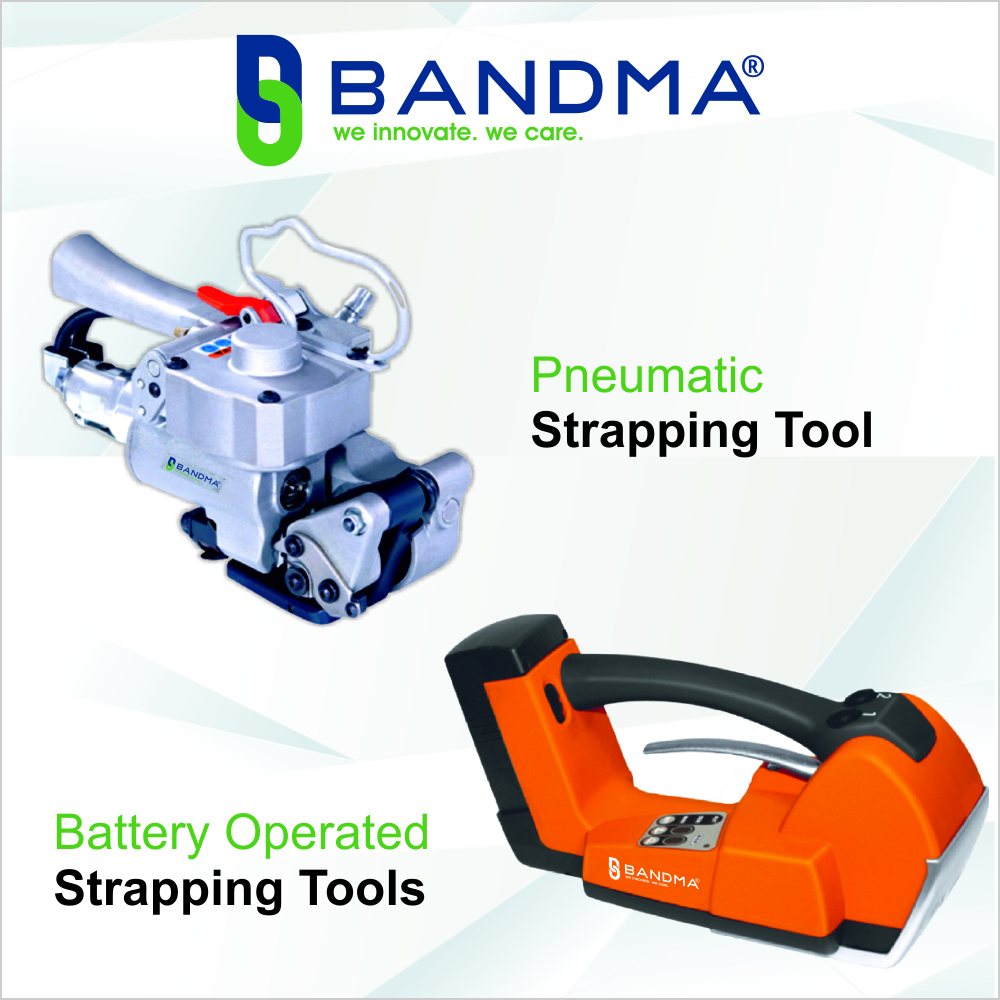
- Strapping
- Stretch wrapping
- Shrink wrapping
This ensures consistent packaging quality and reduces dependency on manual labor.
Benefits of Warehouse Robotics Automation
Increased Productivity
Robots operate continuously without fatigue, significantly increasing throughput.
Improved Accuracy
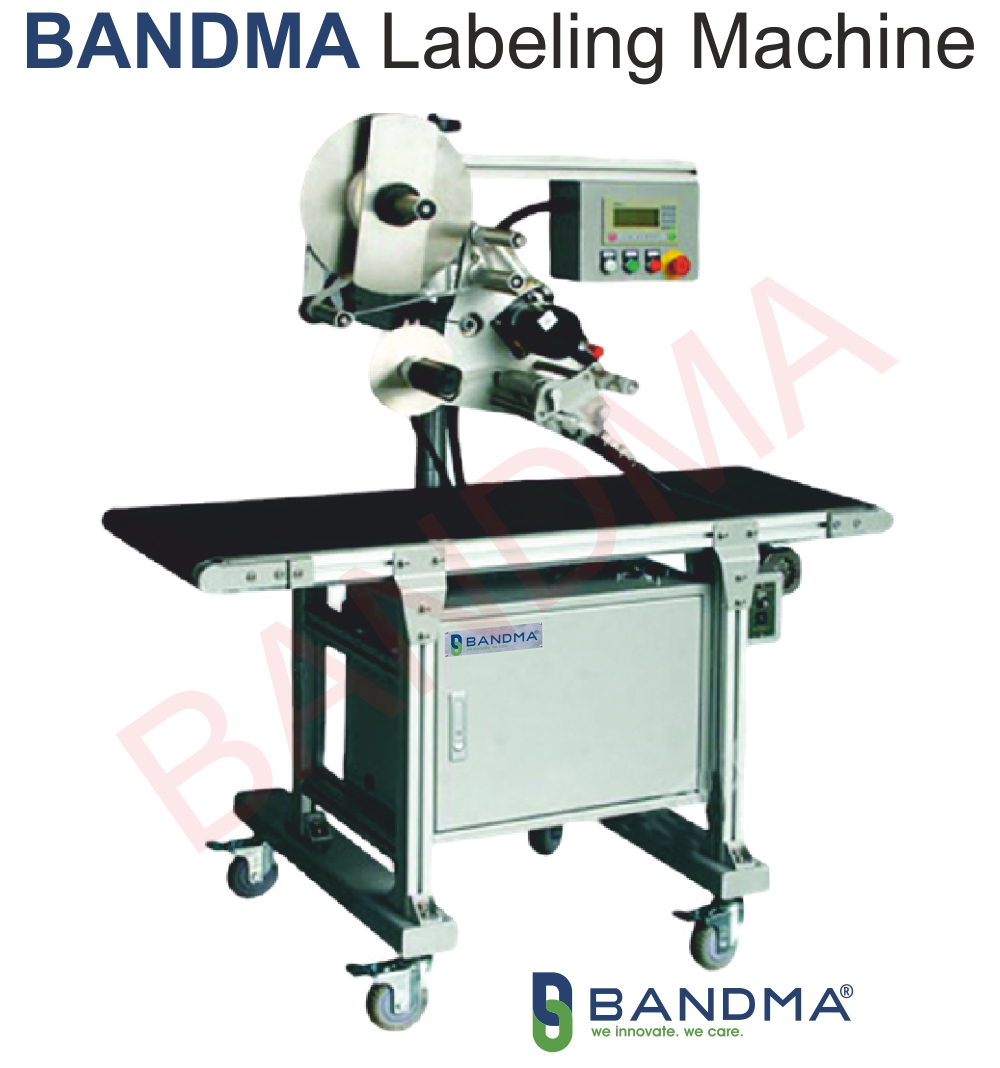
Automation reduces human errors in picking, sorting, and labeling.
Enhanced Safety
Robots take over heavy lifting and repetitive tasks, reducing workplace injuries.
Lower Operating Costs
Though initial investment is higher, long-term savings in labor and error reduction are substantial.
Scalability
Robotic systems can be expanded as business volumes grow.
Human–Robot Collaboration in Warehouses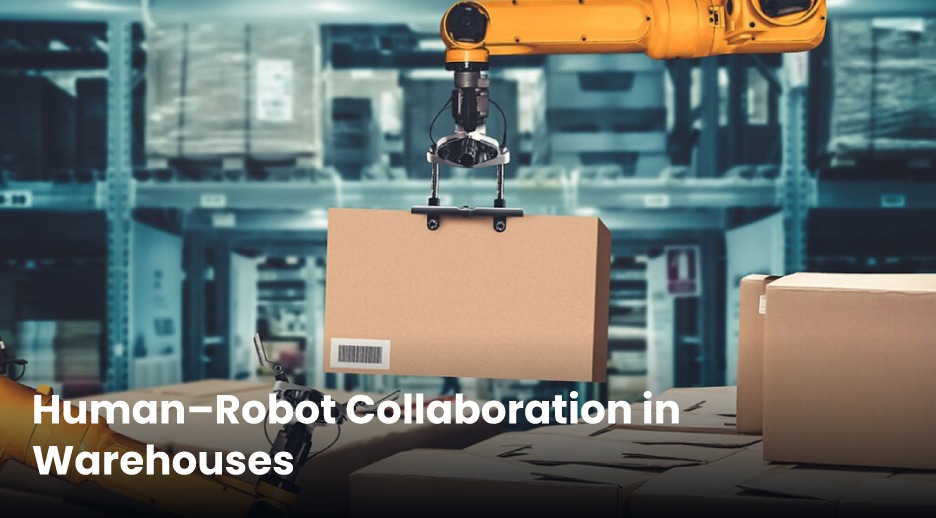
Modern warehouse automation is not about replacing humans—it’s about supporting them. Collaborative robots (cobots) work alongside staff, handling physically demanding tasks while humans focus on supervision, quality control, and decision-making.
This approach improves job satisfaction and reduces employee turnover.
Challenges in Adopting Warehouse Robotics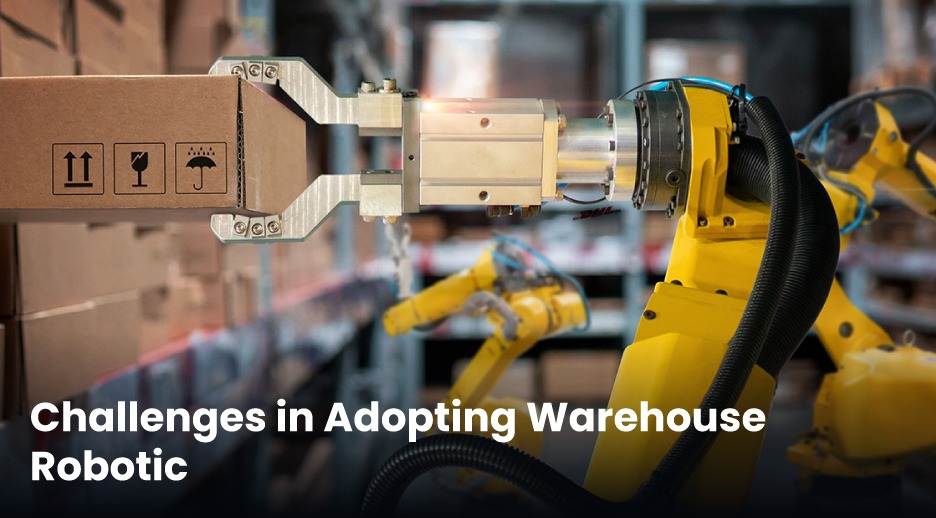
While robotics offers major benefits, warehouses must consider:
- Initial capital investment
- Integration with existing systems
- Training and maintenance
- Change management for staff
Choosing the right automation partner and scalable technology helps overcome these challenges.
The Future of Warehouse Robotics
The next phase of warehouse automation will include:
- AI-powered decision-making
- Predictive maintenance
- Smarter vision systems
- Fully autonomous warehouses
As technology advances, robotics will become more affordable and accessible—even for mid-sized warehouses.
Conclusion
Warehouse robotics is reshaping how goods are stored, moved, and shipped. From AGVs and robotic palletizers to ASRS and automated packaging, robotics enables warehouses to meet modern demands with speed, safety, and precision. Companies that invest in warehouse automation today are building a more resilient, efficient, and competitive supply chain for the future.