


Carton sealing is one of the most common yet often underestimated steps in the packaging process. Many factories still rely on manual taping, stapling, or gluing, unaware of how much time, cost, and inconsistency these methods introduce. As production volumes increase and quality expectations rise, case closing equipment has become an essential part of modern packaging lines.
From faster throughput to cleaner seals and consistent results, automated case closing offers clear advantages over manual methods.
What Is Case Closing Equipment?
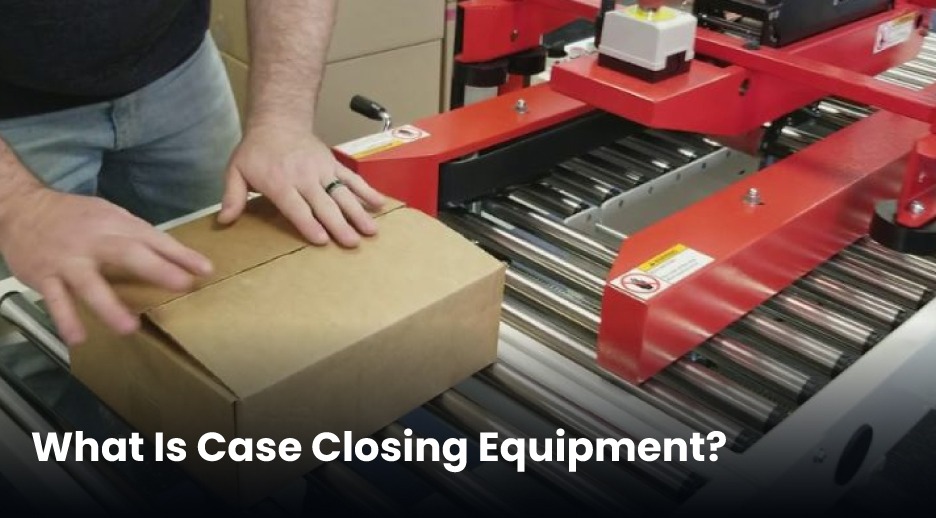
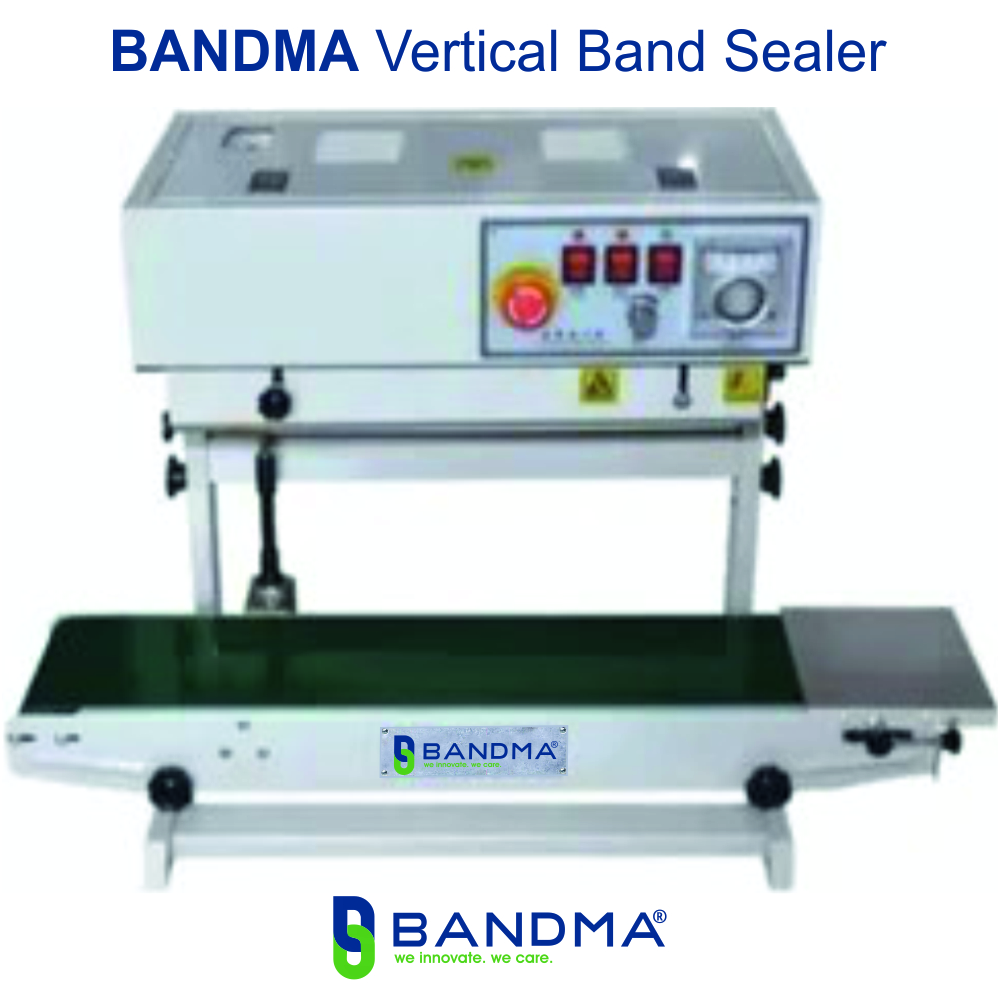
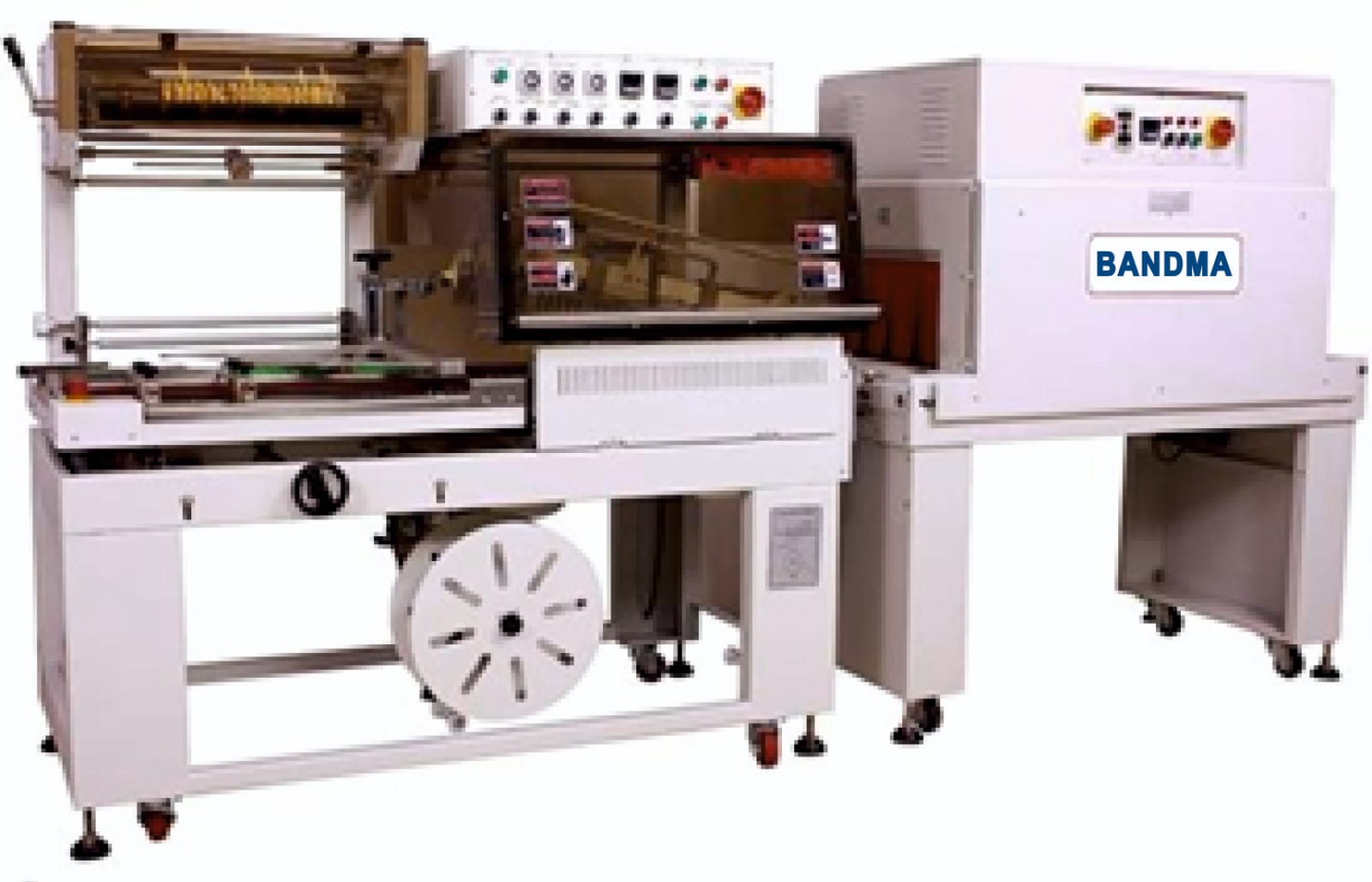
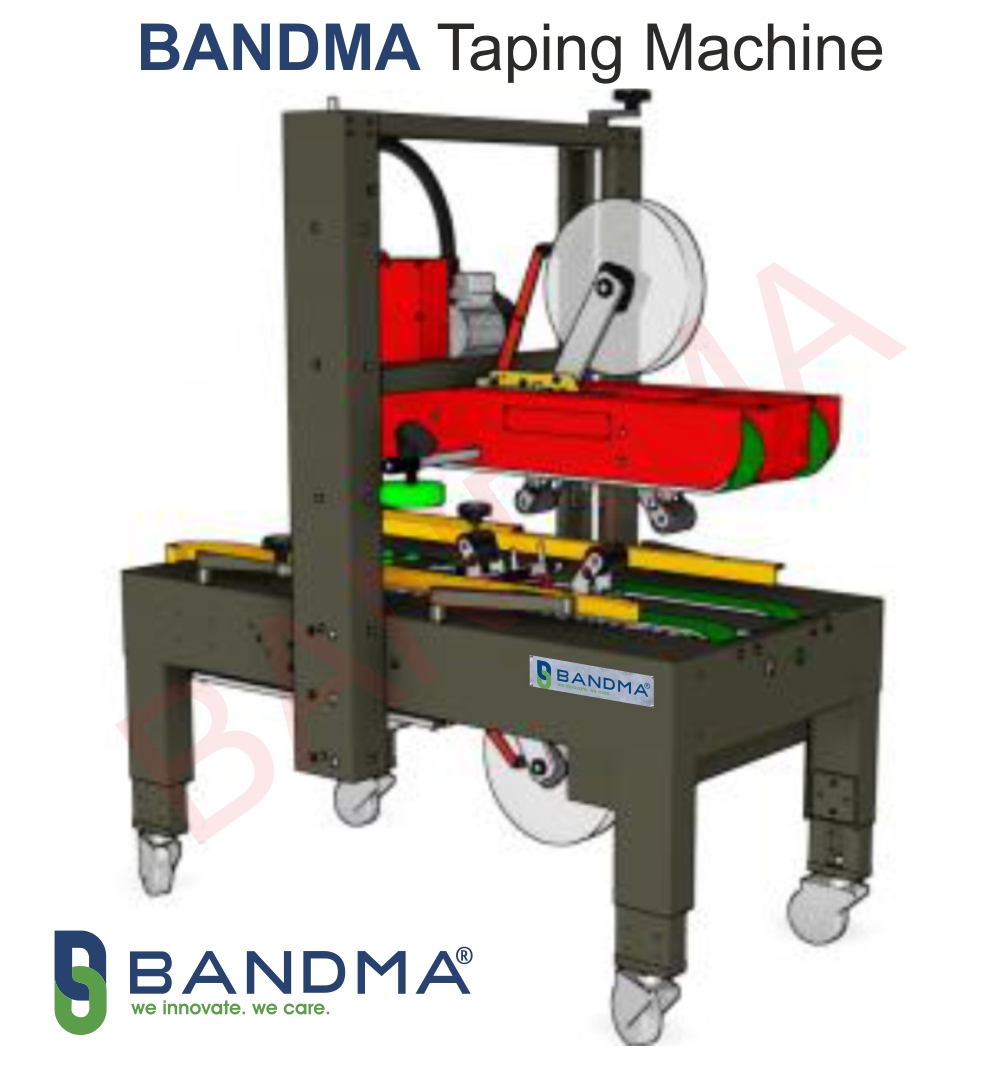
Case closing equipment, also known as carton sealing or box taping machines, is designed to automatically seal cartons using adhesive tape or other sealing methods. These machines can handle uniform or random-sized boxes and operate as standalone units or as part of a fully automated packaging line.
They are widely used across industries such as FMCG, pharmaceuticals, logistics, food processing, and e-commerce.
Limitations of Manual Carton Sealing
Manual sealing methods may seem cost-effective initially, but they come with several drawbacks:
- Inconsistent tape application
- Slower packing speeds
- High dependency on skilled labor
- Increased tape wastage
- Poor seal quality leading to carton failures
Over time, these issues result in higher operational costs and frequent customer complaints due to damaged cartons.
How Case Closing Equipment Works
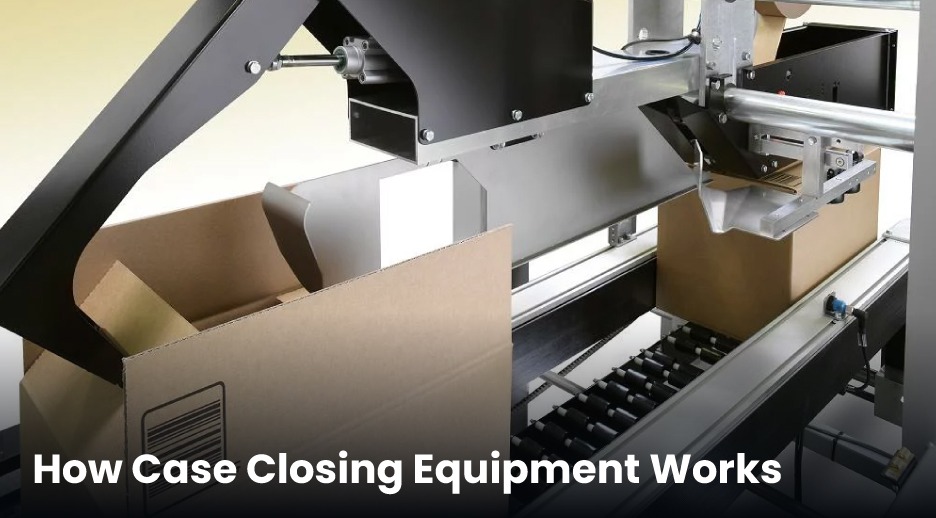
The basic working process is simple and efficient:
- Carton Feeding
Filled cartons are fed into the machine manually or via conveyors. - Flap Folding
Top and bottom flaps are aligned automatically. - Tape Application
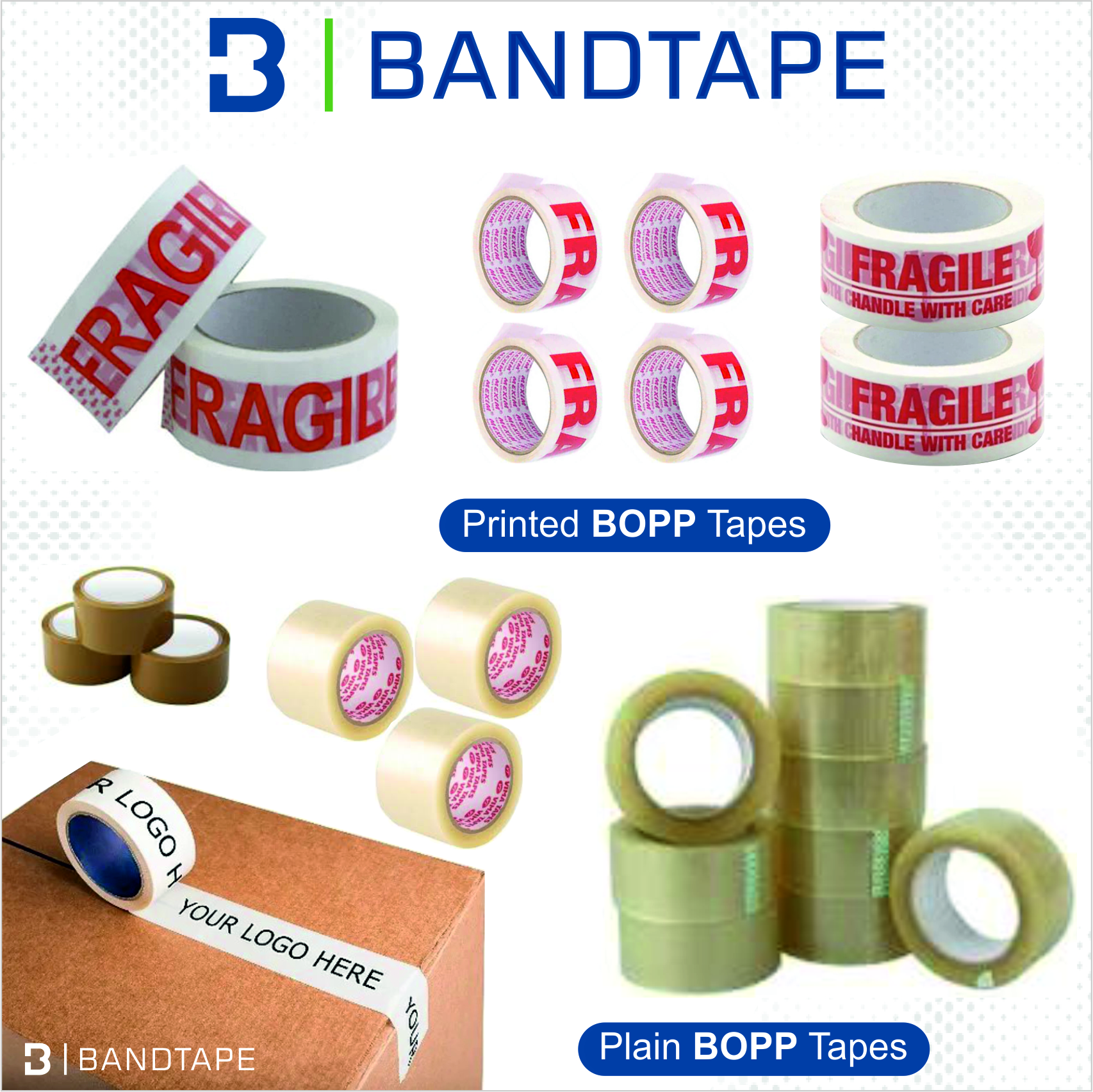
Adhesive tape is applied evenly along the center seam. - Pressing and Sealing
Pressure rollers ensure firm adhesion and clean sealing. - Carton Exit
The sealed carton moves smoothly to the next stage.
This automated process ensures uniform sealing on every carton.
Key Benefits of Case Closing Equipment
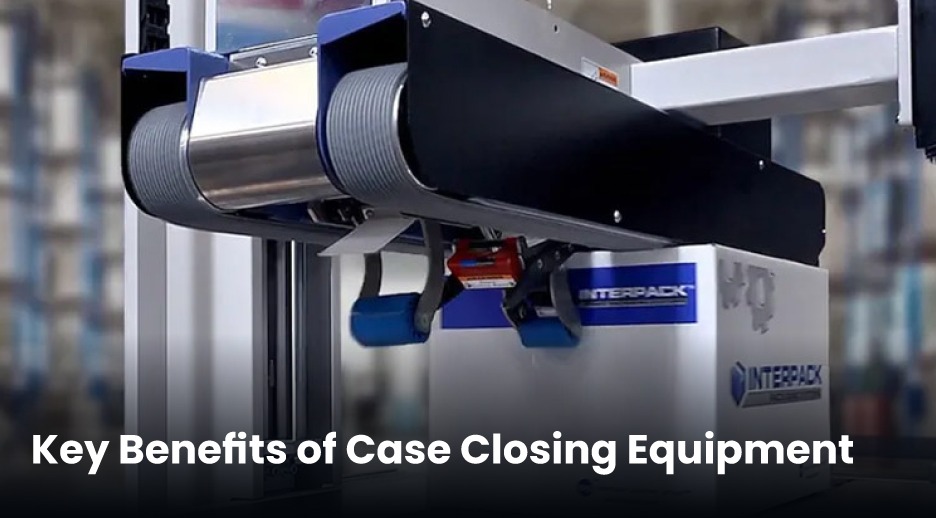
1. Faster Packaging Speed
Automated sealing significantly reduces cycle time compared to manual taping. This allows packing lines to handle higher volumes without adding manpower.
2. Consistent Sealing Quality
Every carton receives the same tape placement and tension, resulting in reliable seals that hold during storage and transit.
3. Cleaner and Professional Finish
Machine-applied tape looks neat and uniform, improving the overall appearance of packaged goods.
4. Reduced Labor Dependency
One operator can manage multiple machines, freeing workers for higher-value tasks.
5. Lower Tape Consumption
Precise tape application minimizes waste, reducing packaging material costs.
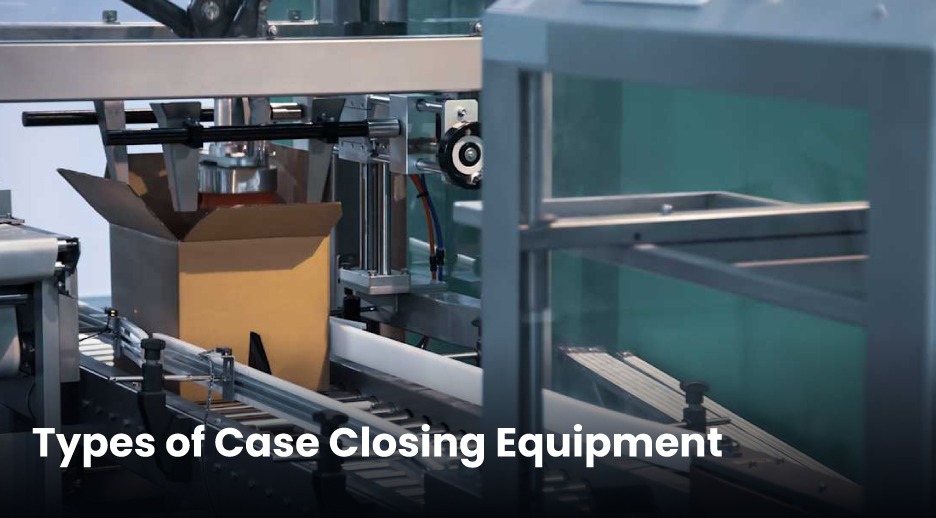
Types of Case Closing Equipment
Semi-Automatic Case Sealers
Ideal for low to medium production volumes. Operators fold flaps manually, and the machine seals the carton.
Fully Automatic Case Sealers
Designed for high-speed lines. Flap folding, sealing, and carton movement are fully automated.
Random Case Sealers
Adjust automatically to different carton sizes without manual intervention.
Applications Across Industries
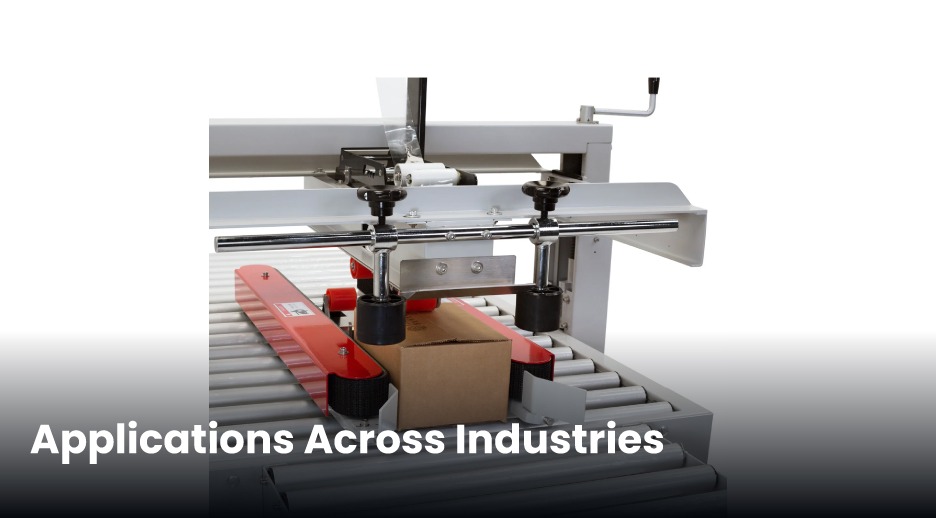
Case closing machines are commonly used in:
- FMCG manufacturing
- Pharmaceutical packaging
- Food and beverage plants
- E-commerce fulfillment centers
- Warehousing and logistics
- Electronics and consumer goods
Any industry handling cartons can benefit from automated sealing.
Case Closing vs Manual Sealing
Aspect | Manual Sealing | Case Closing Equipment |
Speed | Slow | High |
Seal Consistency | Variable | Uniform |
Labor Requirement | High | Low |
Tape Usage | High | Optimized |
Carton Appearance | Uneven | Professional |
Integration with Packaging Lines
Case closing equipment integrates seamlessly with:
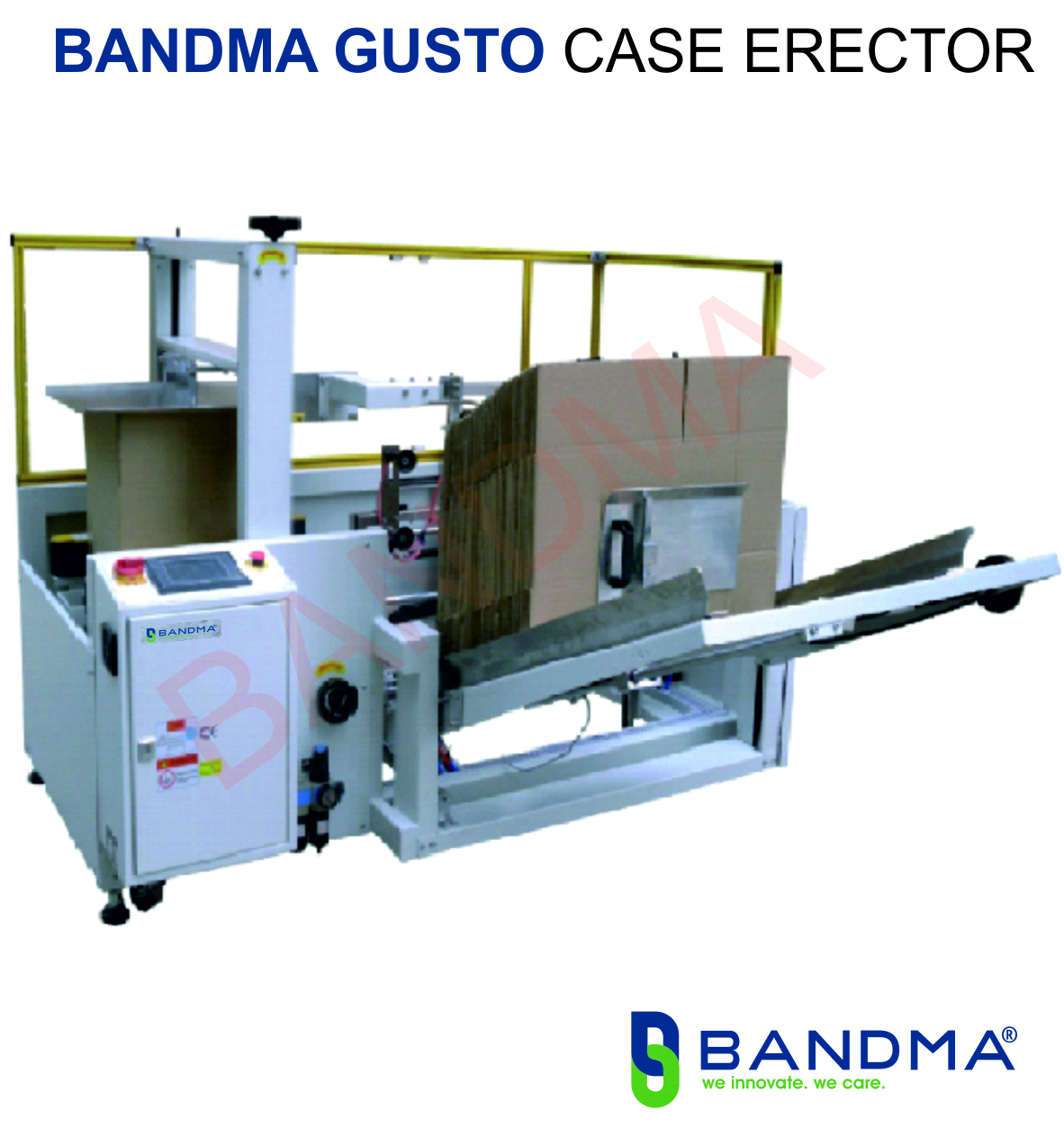
- Carton erecting machines
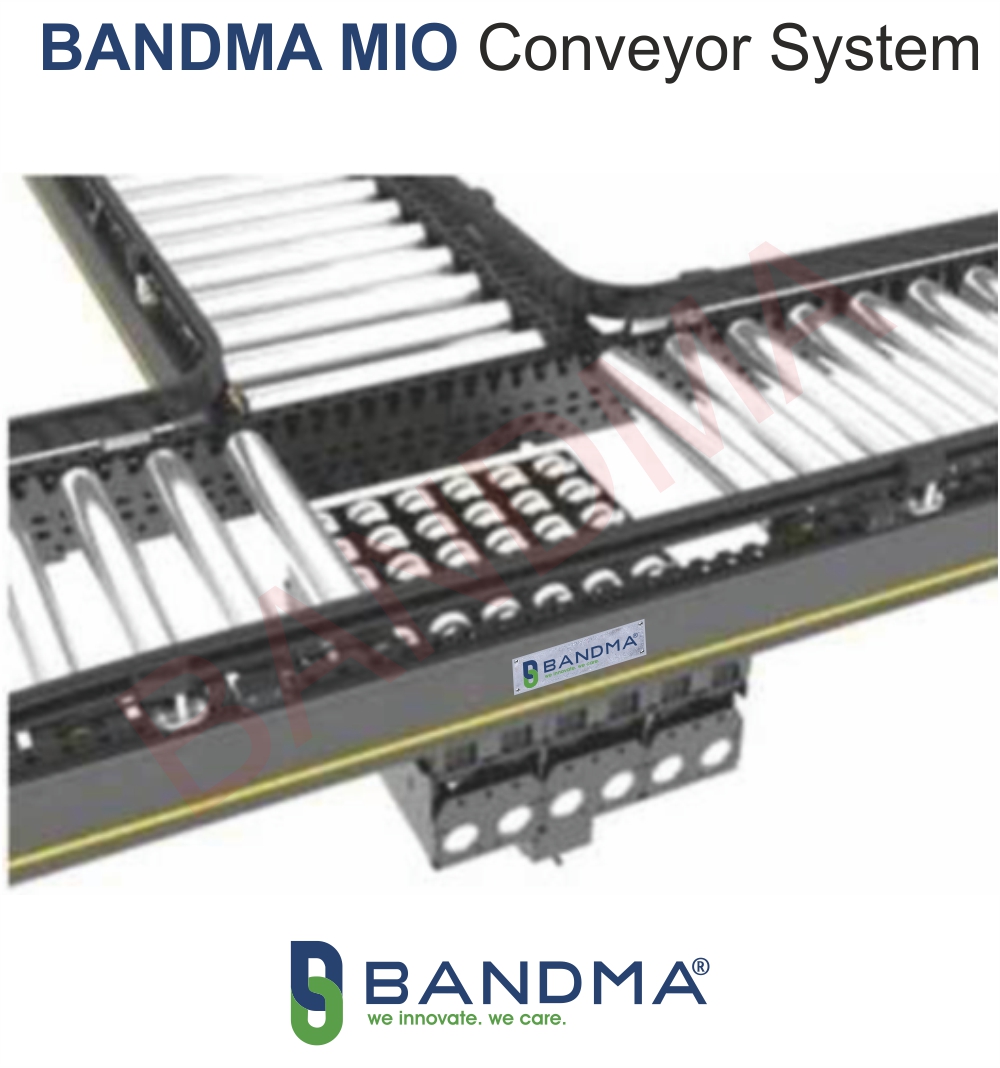
- Conveyors
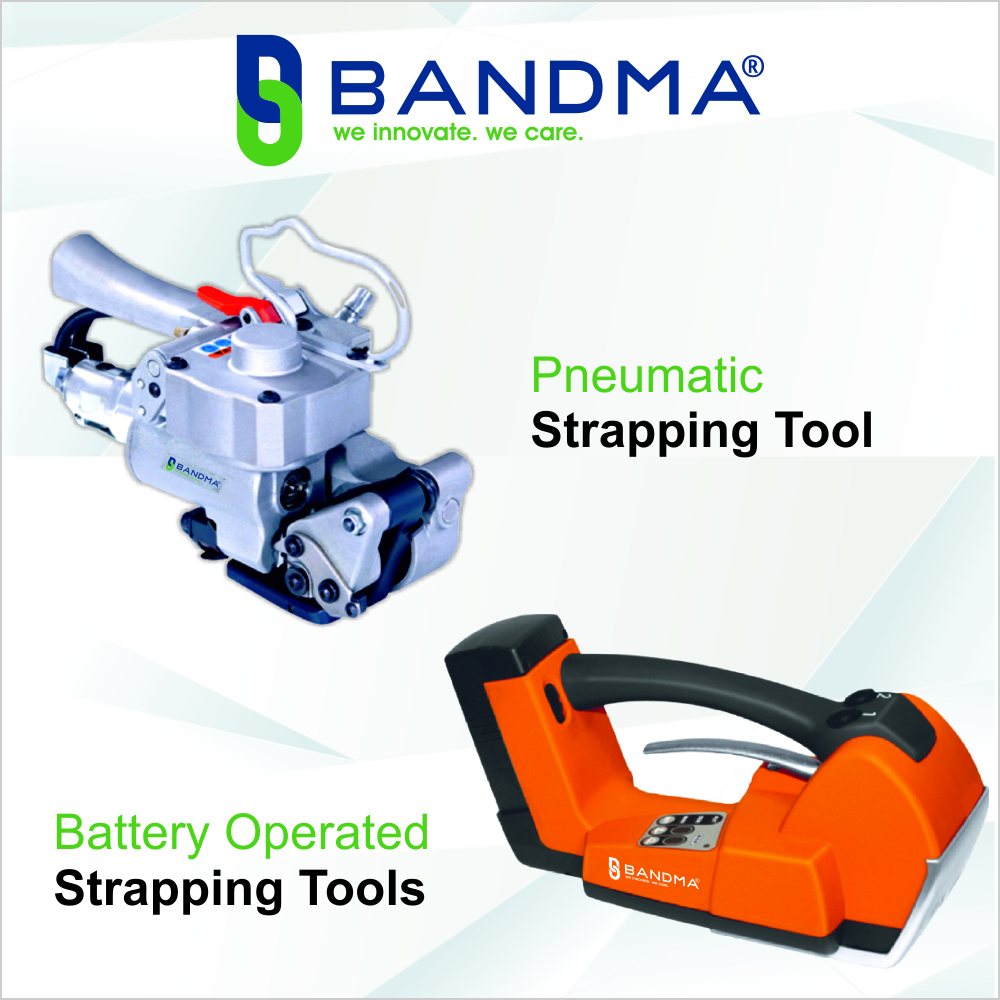
- Strapping machines
- Palletizers
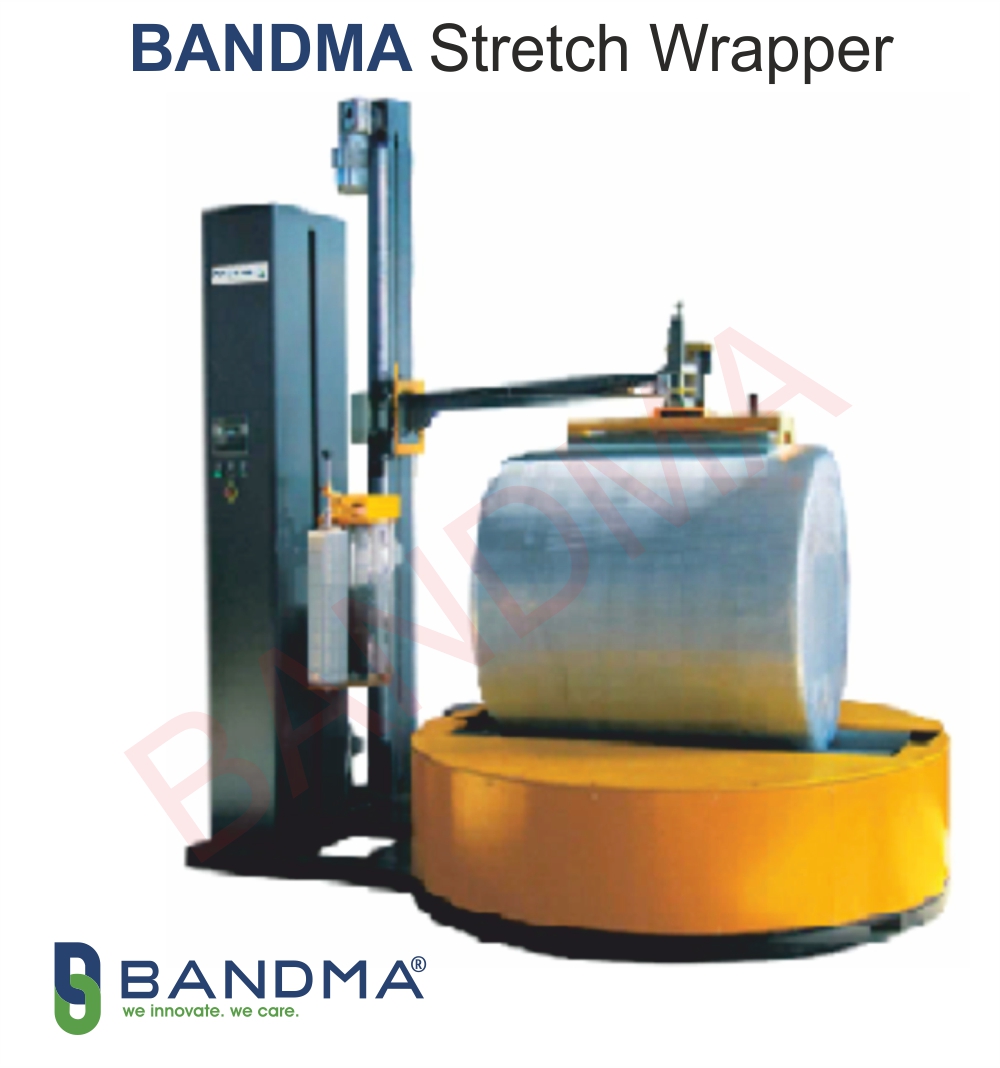
- Stretch wrappers
This makes it a critical component of end-of-line packaging automation.
Why Manufacturers Prefer Automated Case Closing
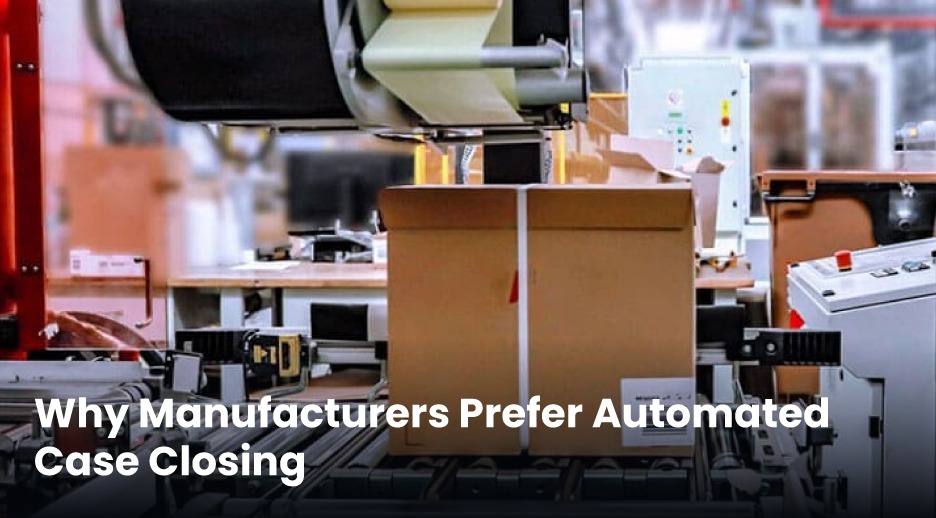
Manufacturers choose case closing equipment because it:
- Improves packing efficiency
- Reduces rework and returns
- Enhances workplace safety
- Supports continuous production
- Delivers long-term cost savings
What starts as a packaging upgrade quickly becomes an operational necessity.
Why Choose Bandma Case Closing Equipment?
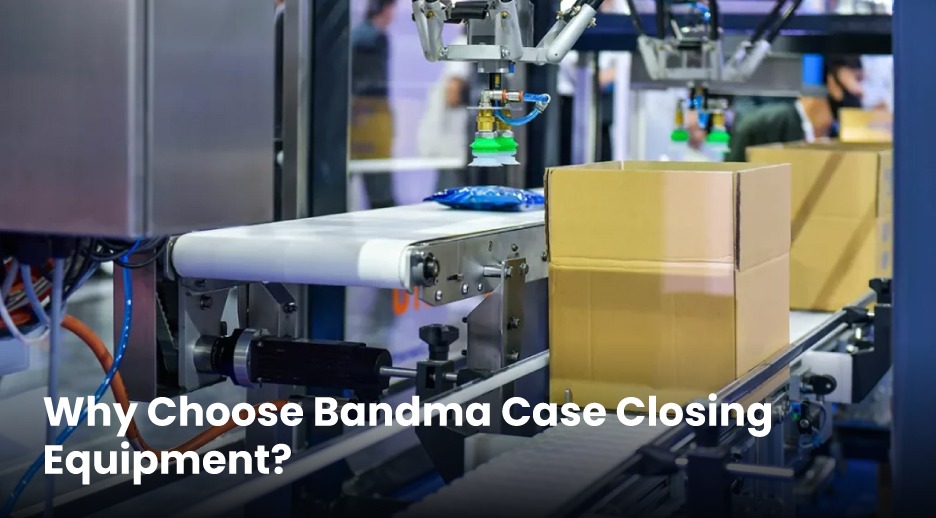
Bandma case closing machines are designed for durability, accuracy, and ease of use.
Key advantages include:
- Robust construction for industrial use
- Smooth carton handling
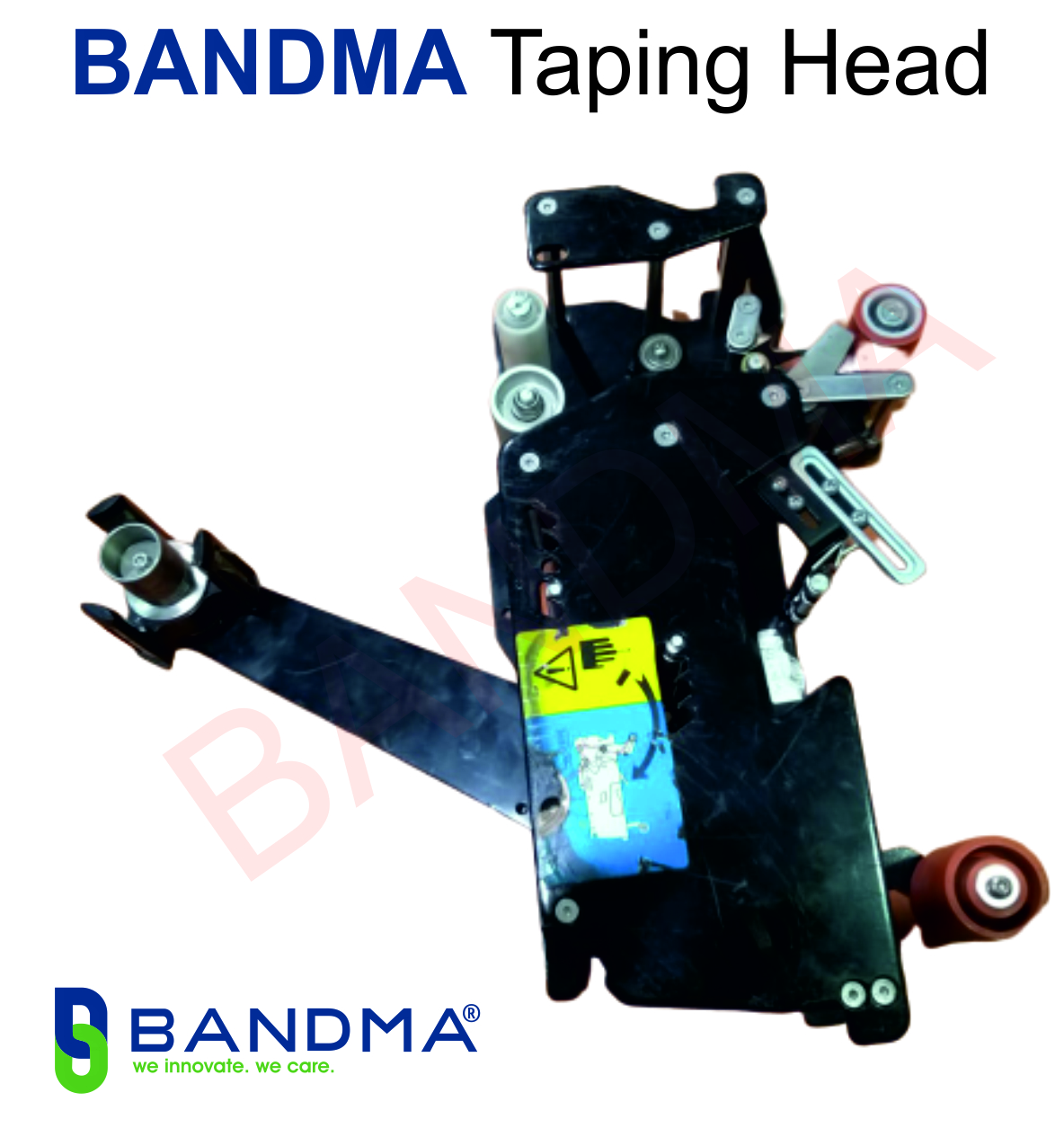
- Reliable tape heads
- Easy size adjustments
- Low maintenance requirements
- Strong after-sales support
Bandma machines help manufacturers maintain speed without compromising quality.
Conclusion
Choosing case closing equipment is not just about sealing cartons faster it’s about achieving cleaner, stronger, and more consistent packaging. By replacing manual methods with automated sealing, businesses improve efficiency, reduce costs, and deliver better-quality packages to customers.
For companies aiming to scale operations and maintain packaging standards, case closing equipment is a smart and future-ready investment.